
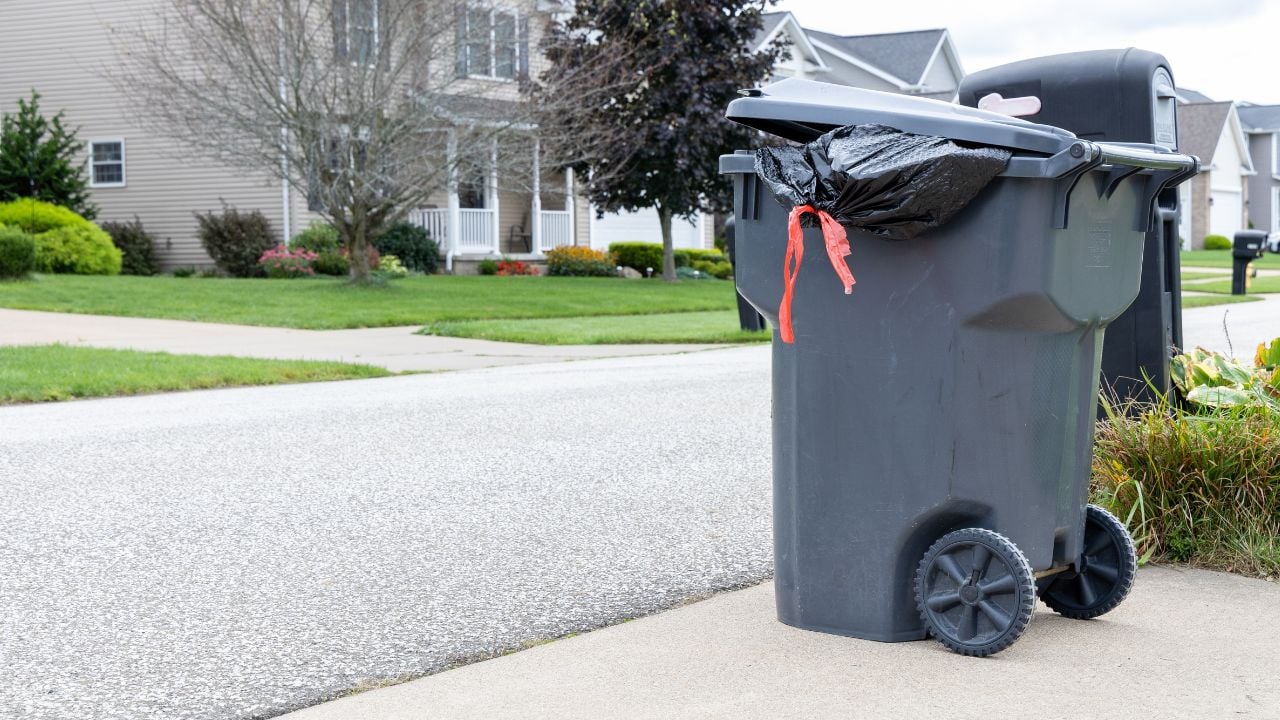
7 Things North Carolinians Can’t Legally Toss in a Household Garbage Bin

In North Carolina, oyster shells are banned from landfills, so they can’t go in your trash after an oyster roast.
Starting Dec. 1, lithium-ion batteries join the list of things you can’t toss, too.
Here’s what North Carolinians can’t legally toss in a household garbage bin.
Note: This is general information, not legal advice. Disposal rules are subject to change, so confirm the current requirements with the North Carolina Department of Environmental Quality (DEQ).
1. Aluminum Cans
Aluminum cans sit on North Carolina’s landfill ban list, which makes an empty soda can the wrong thing to drop in your household garbage bin.
The ban applies to any person who knowingly puts cans in a landfill.
The state’s legal definition of a person starts with an individual, so that includes you.
A permitted incinerator can’t take aluminum cans either, so burning them isn’t a way around the ban.
DEQ’s local program map shows what each local recycling program accepts and where to bring materials.
2. Oyster Shells
Oyster shells are banned from landfills, which rules out your household garbage bin after an oyster roast.
The ban covers any person who knowingly disposes of shells in a landfill.
Many coastal communities offer drop-off sites for the shells.
DEQ points you to the North Carolina Coastal Federation’s oyster shell recycling program page to find one.
Coastal groups and the N.C. Division of Marine Fisheries use recycled shells to build new oyster reefs.
Other reuse includes crushing the shells for use in roadbeds, as long as they’re dried first.
3. TVs and Computer Equipment
The state bars landfilling computer equipment and televisions that a consumer has thrown out, so they can’t go in your household garbage bin.
Any person who knowingly landfills them is covered.
A television counts when its viewable screen measures nine inches or larger and the set is made for personal use.
Tube or flat screen, the ban covers both.
The statute names municipal and county governments, nonprofit agencies, recyclers and retailers as collectors that accept them from consumers.
What Counts as Computer Equipment
Under North Carolina’s electronics ban, computer equipment means any computer, monitor or video display unit for a computer system.
Peripheral equipment is covered, including printers, scanners and combination print-scanner-fax machines.
DEQ’s list of banned items names laptops, desktops, printers and scanners.
Keyboards and mice are left out, and have been since March 16, 2015.
The statute also excludes mobile phones, servers and MP3 players from its definition of computer equipment.
4. Plastic Bottles and Jugs
Your empty detergent jug or water bottle belongs outside your household garbage bin because North Carolina bans these plastic containers from landfills.
The ban binds any person who knowingly landfills these containers.
It covers recyclable rigid plastic containers with a neck smaller than the body that take a screw top, snap cap or other closure.
Containers that held motor oil or pesticides are exempt from the ban.
Psst! How much do you know about North Carolina’s trash and recycling rules? Take our quiz and see how many you can get right.
Quiz
Trash Rules IQ
Answer these questions on North Carolina’s trash, recycling and hazardous waste rules. We bet you can’t get them all right. Prove us wrong?
What does the Solid Waste Section say about tossing a single household smoke detector in the regular trash?
5. Yard Trash
Yard trash is banned from North Carolina landfills.
That keeps your grass clippings and brush out of your household garbage bin.
The ban applies to any person who knowingly landfills yard trash, except in a landfill approved to take it.
DEQ defines yard trash as material from landscaping and yard maintenance, including brush, grass, leaves and tree limbs.
A disposal area that provides separate yard trash composting facilities can accept yard trash that is kept apart from other waste.
DEQ also describes small-scale composting and mulching sites that turn yard waste into soil amendments or landscaping material.
6. Used Motor Oil
Changing oil at home leaves you with used oil, which is on North Carolina's list of materials banned from landfills.
Any person who knowingly landfills it breaks the ban.
Motor vehicle oil filters are banned as well.
DEQ's household hazardous waste page lists oil and oil filters as poisonous.
Many household hazardous waste collection centers accept used oil, and so do many auto parts retailers.
7. Lead-Acid Batteries
A dead lead-acid battery can't go in your household garbage bin.
That's the kind of battery that starts your car.
North Carolina bars any person from knowingly putting one in a landfill, an incinerator or a waste-to-energy facility.
The penalty for knowingly tossing one is up to $50 for each battery.
The state's lead-acid battery law lets any person deliver a dead battery to a battery retailer or wholesaler.
The same law allows delivery to a secondary lead smelter or an authorized collection or recycling facility.
White Goods, Tires and Pallets
Your old refrigerator, range, water heater, freezer, washing machine or dishwasher is a white good, and white goods are on North Carolina's landfill ban list.
Whole pneumatic tires are banned from landfills, but whole solid rubber tires aren't.
Antifreeze is listed by its chemical name, ethylene glycol.
Wooden pallets are on the list as well, with an exception for a landfill permitted to accept only construction and demolition debris.
Lithium-Ion Batteries From December 1, 2026
Effective December 1, 2026, lithium-ion batteries join North Carolina's landfill ban list.
The state's incinerator ban adds them the same day.
DEQ says rechargeable batteries don't belong in trash or recycling carts because they can spark dangerous fires in facilities and trucks.
Take them to a designated drop-off location, and use The Battery Network's locator map to find participating stores.
Your city or county may have battery drop-off sites you can use.
Accidents and Local Waivers
North Carolina's landfill ban exempts accidental or occasional disposal of small amounts of banned waste from counting as a violation.
If your county or city finds that a ban on certain materials, such as plastic containers, pallets, oil filters or oyster shells, would cause economic hardship, it can petition the state for a waiver.
Aluminum cans, lead-acid batteries and yard trash aren't among the materials a waiver can cover.
9 Grocery Items That Shrank, and North Carolina Shoppers Are Upset

You reach for the same box you always buy, and it looks about the same.
Check the weight printed on the label next time.
9 Grocery Items That Shrank, and North Carolina Shoppers Are Upset
9 Food Lion Secrets Employees Wish North Carolina Shoppers Knew
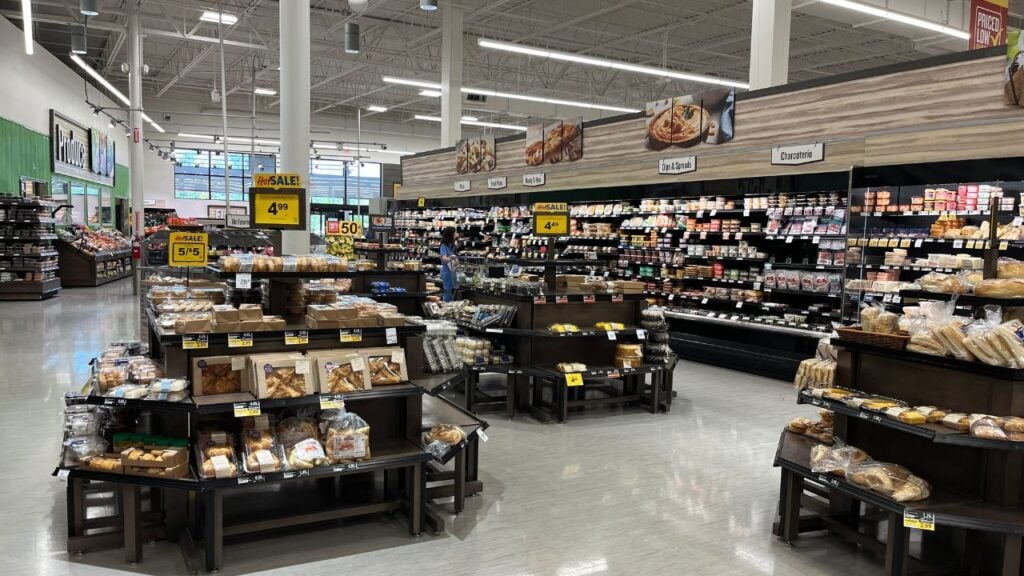
Food Lion has been based in Salisbury, North Carolina, since 1957, and its employees know the chain's system from the inside out.
Much of that inside knowledge lives in store policies and loyalty programs, not on the weekly flyer.
9 Food Lion Secrets Employees Wish North Carolina Shoppers Knew
