
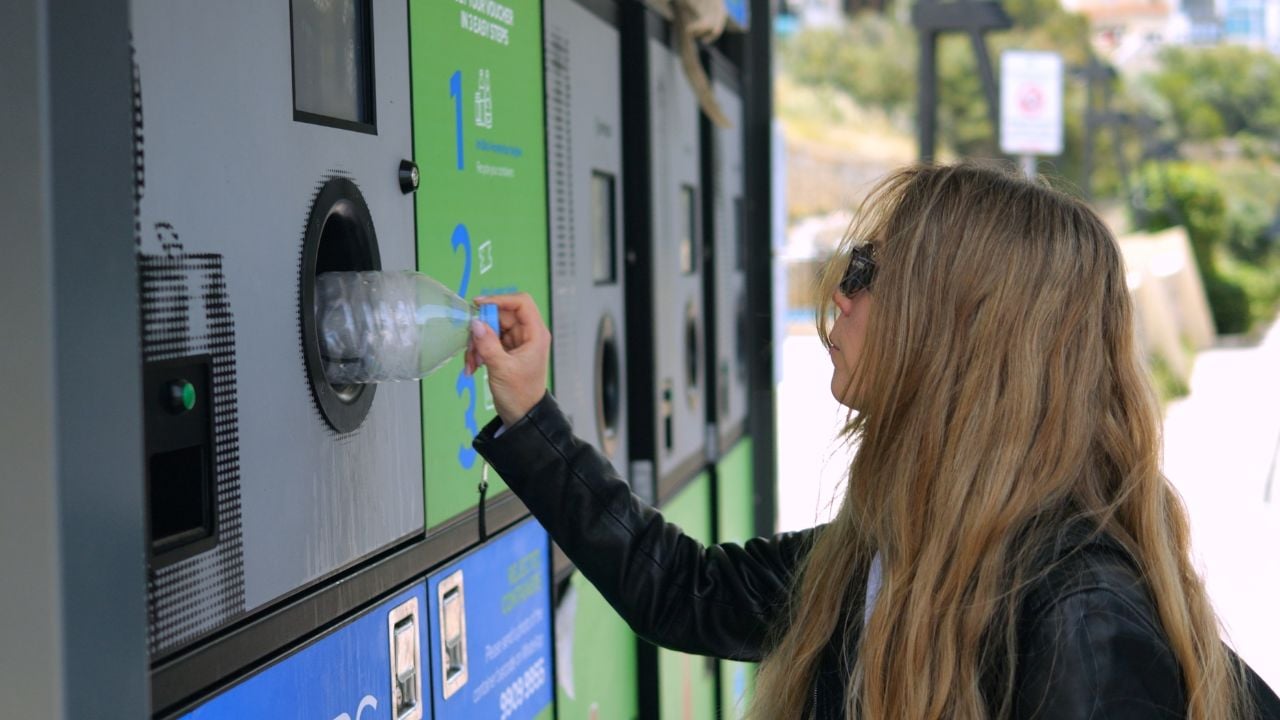
6 Things Michigan’s 10-Cent Bottle Deposit Won’t Pay You For

If the bags of recyclables in your garage have been piling up since summer, you’re probably ready to cash them in.
Hauling them all to the store in one trip might not be worth it, though.
Here’s what Michigan’s 10-cent bottle deposit won’t pay you for.
Note: This is general information, not legal advice. Deposit rules and penalties are subject to change, so confirm the current details with the Michigan Department of Environment, Great Lakes, and Energy (EGLE).
1. Still Water Bottles
A bottle of still water carries no deposit.
The law covers only carbonated natural or mineral water, so a bottle of sparkling water earns a dime and a bottle of flat water doesn’t.
Soda water is covered as well, but plain bottled water carries no deposit, so the return machine has nothing to pay out.
Bills to add water have come up in Lansing, and until the law changes, your flat-water bottles belong in the recycling bin.
No fizz, no dime.
2. Dirty or Unreadable Containers
A container has to be empty before Michigan’s deposit pays out on it, and the law defines empty as holding nothing but residue.
A half-finished soda won’t collect a dime, and neither will a can you’ve filled with something else.
A store can also turn away a container that’s very dirty.
Crushing is the catch.
EGLE tells you to skip it because the barcode has to scan to confirm a can was sold in Michigan.
A store still has to accept a crushed container if it’s clean, though, so a flattened can isn’t automatically a loss.
The law lets a store refuse any container that doesn’t show its refund value and the state’s name.
3. Wine and Liquor Bottles
The empties from your last dinner party won’t earn a dime because wine and liquor bottles fall outside Michigan’s 10-cent deposit.
The law names beer, ale, and other malt drinks of whatever alcoholic content.
It also names three kinds of mixed drinks. A wine cooler counts if it has less than 7% alcohol by volume. A spirits-based drink counts at 10% or less. Any spirits-based drink made for sale in a metal container counts, whatever its strength.
A canned vodka soda you return qualifies, while a bottle of whiskey doesn’t.
Table wine doesn’t qualify.
4. Refunds Past $25 a Day
Michigan’s bottle law caps what a store has to pay one person in a day at $25.
A store must pay you up to that much each day, and past that it may accept more, but the law doesn’t require it.
If you’ve been saving empties since summer, one trip may not clear them out.
The cap is $25.
How Far the $25 Limit Goes
At 10 cents each, the $25 daily limit works out to 250 containers.
A 24-pack of cans brings back $2.40, so it takes more than ten of those cases to reach the limit.
A bag of 100 empties brings back $10, so the limit lands at two and a half bags.
5. Juice and Sports Drinks
Noncarbonated juice and sports drink bottles earn nothing at the return machine.
The law names sodas, soda water, carbonated natural or mineral water, and other nonalcoholic carbonated drinks, so a noncarbonated bottle falls outside it.
Milk isn’t listed.
Advocates argue that leaving out water bottles, sports drinks, and juices lowers return rates, though the cause isn’t clear.
Bills introduced in the 2023-2024 session would have added juice along with water.
The sports drink you finish on the way home goes in the recycling bin.
6. Out-of-State Cans
The 10-cent deposit pays only on containers bought in Michigan, and a can from another state can put you in legal trouble.
Returning 25 to 100 containers you know came from out of state can bring a civil fine of up to $100.
More than 100 containers is a misdemeanor, with up to 93 days in jail, a $1,000 fine, or both.
At 10,000 containers or more, it’s a felony with up to five years in prison, a $5,000 fine, or both.
Stores must post a notice at the return area warning of out-of-state return penalties.
If you’re back from a road trip with cans from another state, they belong in your recycling bin, not the return machine.
Leave them home.
What Stores Still Owe You
Stores that collect the 10-cent deposit have to accept clean containers of any kind, size, and brand they sell.
It can’t set a daily limit under $25, and lack of space isn’t a reason to turn you away.
When its return machines are down, it has to offer a hand count.
A store can still refuse brands it doesn’t sell, so a can from a brand your corner store doesn’t carry may come back to you.
A store that breaks these rules faces a fine of $100 to $1,000, and each day counts as a separate offense.
Psst! How much do you know about Michigan’s bottle bill? Take our quiz and see if you can ace it.
Quiz
Michigan Bottle Bill IQ
Answer these questions on Michigan’s bottle bill and recycling. We bet you can’t get them all right. Prove us wrong?
Michigan’s bottle law bars stores from selling a metal beverage container with what feature?
Where Unclaimed Dimes Go
Every covered container you don't return leaves its 10-cent deposit unclaimed, and the state splits that money several ways.
The first $1 million a year goes to the Bottle Bill Enforcement Fund, which the Michigan State Police use.
Collection continues at that rate until the fund reaches $3 million, then pauses until it drops below $2 million.
After that, 75% of the remaining unclaimed deposits go to the Cleanup and Redevelopment Trust Fund.
Retailers get the other 25%.
Of the trust fund's 75%, 80% goes to the Cleanup and Redevelopment Fund.
Another 10% goes to the Community Pollution Prevention Fund, and the final 10% stays in the trust fund.
9 Things a Michigan Landlord Can't Legally Do to Renters in 2026

If your rent is $1,200, your Michigan landlord can't ask for more than $1,800 as a security deposit.
It's one of nine things on the full list.
9 Things a Michigan Landlord Can't Legally Do to Renters in 2026
5 Restaurant Chains That Closed Michigan Locations in 2026
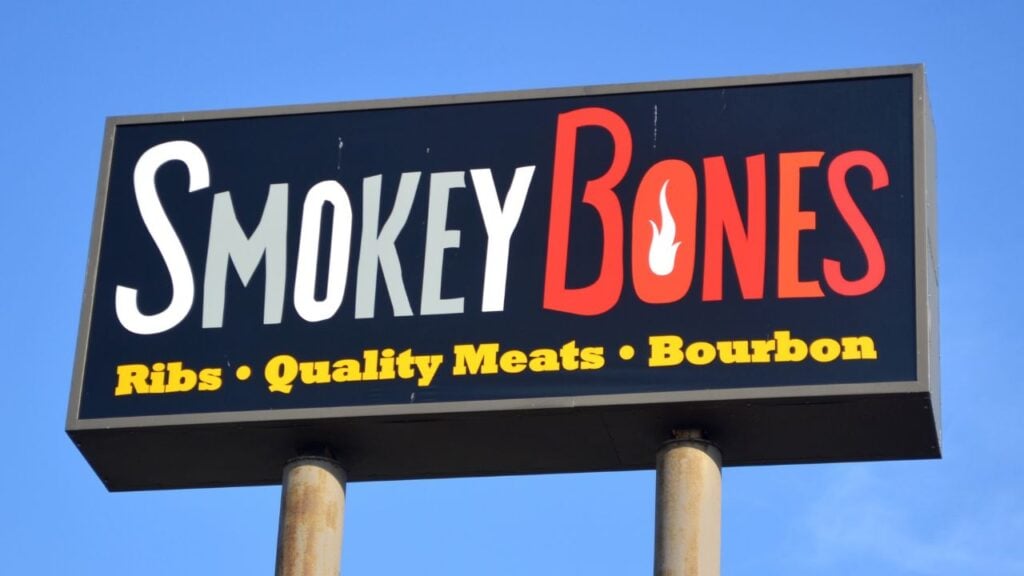
Smokey Bones' last Michigan restaurant, in Lansing, was found closed on April 28, 2026.
It's one of five chains on the full list.
