
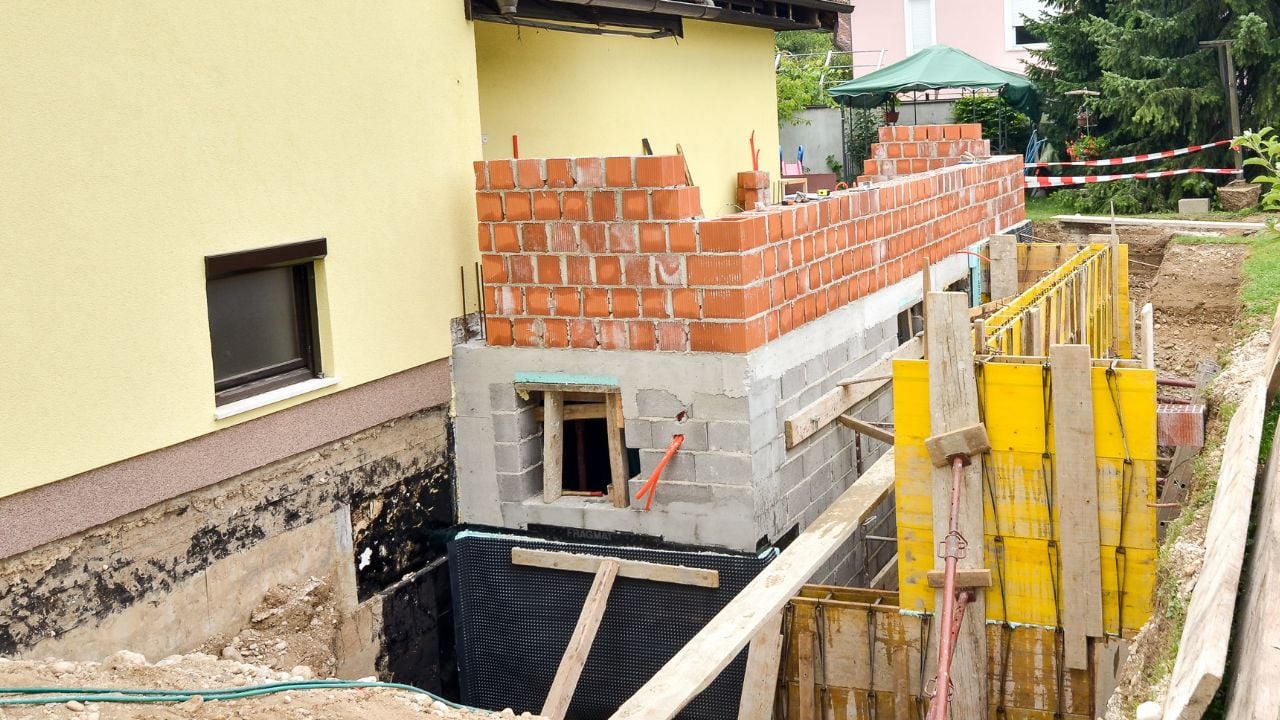
What Happens If You Did Work on Your House Without a Permit in South Carolina?

If you did work on your house without a permit in South Carolina, what happens next depends on your address.
Each city or county decides the consequences.
South Carolina’s Building Codes Council writes the technical construction code every county and city has to follow.
It deliberately leaves permit fees, penalties, and enforcement out of that code, handing all three jobs to local government instead.
Note: This is general information, not legal or insurance advice. Building codes, permit fees, and penalties are set locally in South Carolina and are subject to change.
Your City or County Decides What Happens
A permit violation in South Carolina lands on whichever city or county government covers your address, not on one statewide desk.
There’s no one answer.
The state’s building code law requires every county and municipality to enforce the same technical code, but it stops there.
Each local government sets its fees, fines, stop-work procedures, and retroactive permit process independently.
Each county appoints a building official, or contracts with one, to run permitting and inspections inside its borders.
Every incorporated city or town does the same thing inside its limits, separate from the county surrounding it.
So a house in unincorporated Richland County answers to a different rulebook than a house two miles away inside Columbia’s city limits.
Fines and Fees Differ by City
A permit violation’s price tag changes completely depending on which South Carolina city or county catches it.
North Charleston treats it as a criminal matter.
Anyone who builds, alters, or demolishes a structure there without first pulling a permit is guilty of a misdemeanor under the city’s code.
Every day the unpermitted work sits unresolved counts as a separate offense.
Travelers Rest, a Greenville County town, skips the criminal angle and goes straight for your wallet.
Its code doubles the fee automatically the moment work starts before a permit is issued.
Keep ignoring the town’s notices, and general violations there also become a misdemeanor, with every ten days counted as a new offense.
Richland County runs its permitting and inspections through one countywide office instead of a patchwork of towns.
That same office both issues permits and monitors construction activity across the county, so it’s also the one that opens a file on unpermitted work.
One office, one file.
That same local patchwork trips up a South Carolina landlord too, since rental rules shift from one town’s ordinance to the next.
Getting a Retroactive Permit
A homeowner in South Carolina doesn’t have to tear out finished work just because it never got a permit.
The fix runs through the same building department that would have issued the permit in the first place.
You apply for a permit covering the work already done, pay the fee your city or county sets for it, and schedule an inspection.
That’s the hurdle.
An inspector has to confirm the wiring, framing, or plumbing meets code, not just that someone paid a fee.
What a Retroactive Permit Doesn’t Guarantee
A retroactive permit in South Carolina isn’t a rubber stamp on work that’s already finished.
If the work is covered by drywall, siding, or concrete, the building department can require the homeowner to open it back up so the inspector can see it directly.
And if what’s underneath doesn’t meet code, the county or city can require it fixed or torn out before signing off on the permit.
Psst! How much do you know about South Carolina’s homes and property history? Take our quiz and see how many you can get right.
Quiz
South Carolina Property Quiz
Answer these questions on South Carolina homes and property history. We bet you can’t get them all right. Prove us wrong?
Charleston set a national first with its Old and Historic District. What was it the first city in the country to do?
Stop-Work Orders Mid-Project
A stop-work order doesn't only catch work still happening.
It can just as easily catch the finished-but-undocumented parts of a project that's already done.
A neighbor's complaint, a routine drive-by, or an electrician who refuses to hook up power without an inspection sticker can all bring an inspector to your door.
Find work happening with no permit attached, and the building official can order it stopped on the spot.
The same authority reaches a project that only looks finished.
If an inspector finds framing, wiring, or plumbing that was closed up behind drywall or siding without ever being permitted, the building official can order it opened back up.
The building official then treats that portion exactly like work caught mid-build.
That order is legally binding the moment it's posted.
Crews can't legally pick the work back up until the permit is in hand and the halted stage passes inspection.
There's no shortcut back.
Ignore a posted stop-work order, and the fines from the section above stack on top of whatever the original permit violation already cost.
The Disclosure Form You Sign at Resale
A seller can't count on unpermitted work disappearing once the house goes up for sale.
State law requires sellers to fill out a Residential Property Condition Disclosure Statement before closing.
One question asks about violations of building codes, zoning, or permits on the property.
Another asks about room additions or structural changes made during your ownership.
A seller only has to disclose what they know, and the form lets them mark "no representation" instead of guessing.
Knowingly hiding a permit problem you do know about is a different story.
That's where the risk starts.
Sellers who do that can face a lawsuit for negligent misrepresentation or, if the concealment was deliberate, fraudulent concealment.
Your Insurance Claim Could Take the Hit
Homeowners insurance doesn't automatically walk away from unpermitted work, but it can.
Insurers can point to a missing permit as grounds to reduce or deny a claim when damage traces back to that work.
A do-it-yourself electrical job that starts a fire is the textbook example.
Discovering unpermitted work can also push an insurer to raise your premium or decline to renew the policy at all, separate from any single claim.
This risk needs no claim.
FAQ
Quick answers to what homeowners ask most about unpermitted work.
Can you get in trouble for work done without a permit in South Carolina?
Yes. Depending on your city or county, that can mean a misdemeanor charge, a doubled permit fee, a stop-work order, or all three before the project is done.
How do you get a permit for work that's already finished in South Carolina?
Contact the building department for your city or county and apply for a permit covering the completed work. You'll pay the required fee and schedule the inspection needed to verify it meets code.
Does unpermitted work affect selling a house in South Carolina?
It can. South Carolina's disclosure form asks sellers about code, zoning, or permit violations and about structural changes made during ownership. Knowingly hiding a known problem can create legal liability.
Will homeowners insurance cover damage tied to unpermitted work in South Carolina?
Not always. An insurer can point to the missing permit as grounds to reduce or deny a claim connected to that work, so getting it permitted protects your coverage.
A South Carolina insurer can restore coverage for work finished without a permit once the homeowner reports it and a fresh inspection confirms it meets code.
Paying any permit fees still owed at that point brings the completed work back under the policy instead of leaving it excluded.
9 Ways to Embarrass Yourself at Your First South Carolina Oyster Roast

A shovel scrapes across a sheet of hot steel at a South Carolina oyster roast, and a fresh pile lands on the table.
There are no plates, no forks, and no waiter in sight, and first-timers make the same mistakes almost every time.
9 Ways to Embarrass Yourself at Your First South Carolina Oyster Roast
8 Moving Quote Traps South Carolinians Keep Falling For

A family in Greenville signs a mover's estimate without reading much past the total at the bottom.
That single number hides almost everything that decides what they pay on move-in day.
