
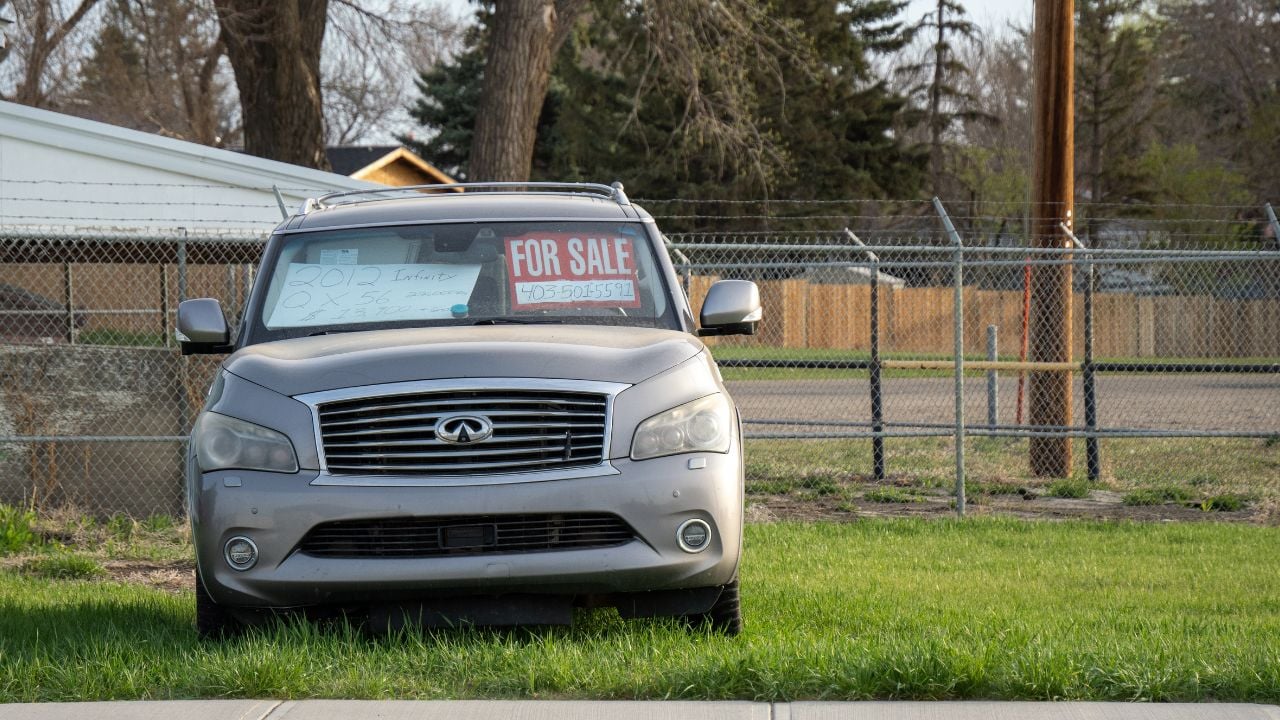
5 Documents South Carolinians Need to Sell a Car Privately

Selling a car privately in South Carolina comes down to a short stack of paperwork: A signed title, a lien release, and the state’s bill of sale.
South Carolina gives a buyer 45 days from the purchase date to title and register a newly bought vehicle, according to the state’s Department of Motor Vehicles.
That deadline is the buyer’s problem.
But until it’s met, your name is still attached to the car.
Note: This is general information, not legal advice. Titling and registration requirements are subject to change, so confirm the current details with the South Carolina Department of Motor Vehicles.
The Signed-Over Certificate of Title
The certificate of title is the document that proves who owns a car, according to the South Carolina Department of Motor Vehicles (SCDMV).
SCDMV requires the seller to sign it over before a private sale is real.
On the back of that title, SCDMV wants the buyer’s name and address, the odometer reading, the sale price, the date of sale, and a signature from each of you.
None of those blanks can stay empty.
If your particular title print doesn’t leave room for the sale price, SCDMV requires a separate bill of sale to travel with it.
The odometer line isn’t optional for cars under 20 model years old, either.
A 2021 rule from the National Highway Traffic Safety Administration requires an odometer disclosure on every vehicle that young.
SCDMV titles more than cars, too: The same agency handles paperwork for boat and trailer titles, motorcycles, and even mobile homes.
The Lien Release
A lien release matters only if there’s still a loan against the car you’re selling, but when there’s one, the state won’t let the sale go through without it.
The lienholder, not you, holds the title while a loan is open.
South Carolina records many auto loans through an electronic lien system tied directly to SCDMV.
A lender satisfies that lien by releasing it in the same system once the payoff clears.
Some older loans still run on paper, and in that case, the lienholder mails a lien release statement to SCDMV before a clean title can print in your name.
Call the lender before you list the car, not after a buyer shows up with cash in hand.
The State’s Bill of Sale
The bill of sale carries much of the paperwork South Carolina requires for a private sale.
SCDMV’s titling checklist lists a signed bill of sale, showing the full sale price minus any trade-in value, as part of a standard title transaction.
The state even built its version, Form 4031, and both sides sign it.
It asks for the same core facts as the title: The vehicle identification number, the sale price, the odometer reading, and whether the car is free of liens.
A handwritten bill of sale works too, as long as it covers the vehicle identification number, the price, the date, and both signatures.
Form 4031 already asks every question SCDMV wants answered.
Virginia sellers face a similar list of paperwork, just organized under different form numbers.
The Notice of Vehicle Sold
The Notice of Vehicle Sold is the document sellers overlook, and it’s the document that protects them the longest.
Under South Carolina law, a seller has to notify SCDMV in writing immediately after transferring a registered vehicle.
That notice includes the new owner’s name, address, and the date of the sale.
SCDMV built a form for it, Form 416, and calls it the Notice of Vehicle Sold.
That part of the process stays simple enough.
That form doesn’t legally transfer the car.
SCDMV’s instructions say plainly that filing it protects the last registered owner until the buyer finishes the transfer.
File it the same day you hand over the keys, and don’t wait for the buyer to ask.
What the Notice of Vehicle Sold Doesn’t Do
The Notice of Vehicle Sold doesn’t update South Carolina’s vehicle record the moment you file it, and that gap is where the risk sits.
The record still lists you as the owner until the buyer’s title application posts at SCDMV.
A red-light camera ticket, a toll bill, or a parking citation from that window can still arrive with your name on it, even with the Notice already on file.
Mail the Notice of Vehicle Sold to SCDMV Mail-in Registration, PO Box 1498, Blythewood, SC 29016-0036, or hand it to any branch office in person.
SCDMV doesn’t mail back a receipt, so photograph or photocopy the form before it leaves your hands.
Psst! How much do you know about SCDMV’s history and car-ownership quirks? Take our quiz and see how many you can get right.
Quiz
SC DMV & Car Ownership Quiz
Answer these questions on South Carolina’s DMV history and car-ownership quirks. We bet you can’t get them all right. Prove us wrong?
How many license plates does South Carolina require on a passenger car?
The License Plate Turn-In Form
SCDMV Form 452, the License Plate Turn In, is the document that closes out your side of a plate once you've sold the car.
Under South Carolina law, a seller has 30 days from the transfer date to either move that plate onto another vehicle they own or return it to SCDMV.
The same law requires the registration card to go back with the plate, not stay behind with the buyer.
Leaving the plate on the car for the buyer isn't one of the options.
A plate can only move to a vehicle titled in your name.
A buyer driving off with your old tag on their new car is improperly registered in the state's eyes.
There's one exception worth knowing.
If the plate had already expired before the sale, SCDMV doesn't require you to surrender it at all.
Keeping Copies of Everything
The title assignment, the bill of sale, the Notice of Vehicle Sold, and the License Plate Turn-In protect a South Carolina seller.
None of them do that job if a copy doesn't survive the sale.
Canceling the liability insurance on the car you just sold is also on SCDMV's list for finishing a sale, not an extra step sellers invented themselves.
The insurer's cancellation confirmation belongs in the same folder as the rest of the paperwork.
A signed copy of the title assignment, the bill of sale, and the Notice of Vehicle Sold covers a seller's side of the proof.
Together, they answer the questions a dispute always comes down to: Who bought the car, for how much, and on what date.
A phone photo of each document, taken before the buyer drives away, costs nothing and takes thirty seconds.
Do it anyway.
The Buyer's Side of the Deal
A seller who understands the buyer's paperwork ends up with a smoother sale because a stuck buyer is a seller's problem too.
Once the title changes hands, the buyer has 45 days from the purchase date to title and register the car with SCDMV.
That means filling out a Title Application, SCDMV's Form 400, and paying a title fee.
That paperwork is their problem, not yours.
Most buyers also owe South Carolina's infrastructure maintenance fee, which SCDMV sets at 5% of the purchase price, capped at $500.
That fee stands in for a sales tax on most vehicle purchases in South Carolina.
There's a county errand in the middle of it, too.
Before SCDMV will issue a license plate, the buyer has to contact their county office for a property tax bill, pay it, and hand SCDMV the paid receipt.
The county tax bill has to clear before SCDMV will issue the plate, which is usually what slows a buyer down, not any confusion over the title.
Buyers working with a private seller anywhere run into the same kind of paperwork gaps.
Psst! How much of your pre-sale paperwork do you have handled? Run through this checklist and see where you stand.
FAQ
Quick answers to what sellers ask most about the paperwork side of a private car sale.
Do you need a bill of sale to sell a car in South Carolina?
SCDMV's titling checklist lists a signed bill of sale as part of a standard title transaction, and it's required whenever the title doesn't have room for the sale price. SCDMV's version is Form 4031.
What happens if you don't file the Notice of Vehicle Sold?
Without it, you have no record on file protecting you as the last registered owner. A ticket, a toll, or a registration renewal notice can keep landing on your car until the buyer finishes titling it.
Can you leave your license plate on the car for the buyer?
No. License plates stay with the person who registered them, not the vehicle. You have 30 days to move the plate to another car you own or return it to SCDMV.
Do you need to be present when the buyer registers the car?
No. Once you've signed over the title, filed the Notice of Vehicle Sold, and handled your plate, the buyer's Title Application and county tax payment are their responsibility, not yours.
What if there's still a loan on the car you're selling?
The lienholder has to release its interest before SCDMV can issue a clear title in the buyer's name. Contact the lender for the payoff amount and the release process before you accept an offer.
South Carolina caps a lawsuit over a written contract at three years, and a signed bill of sale counts as a written contract under that law.
That's the shelf life for the paperwork worth keeping from this sale, not just until the next glove-compartment cleanout.
8 South Carolina Boat and Trailer Rules Some People Break
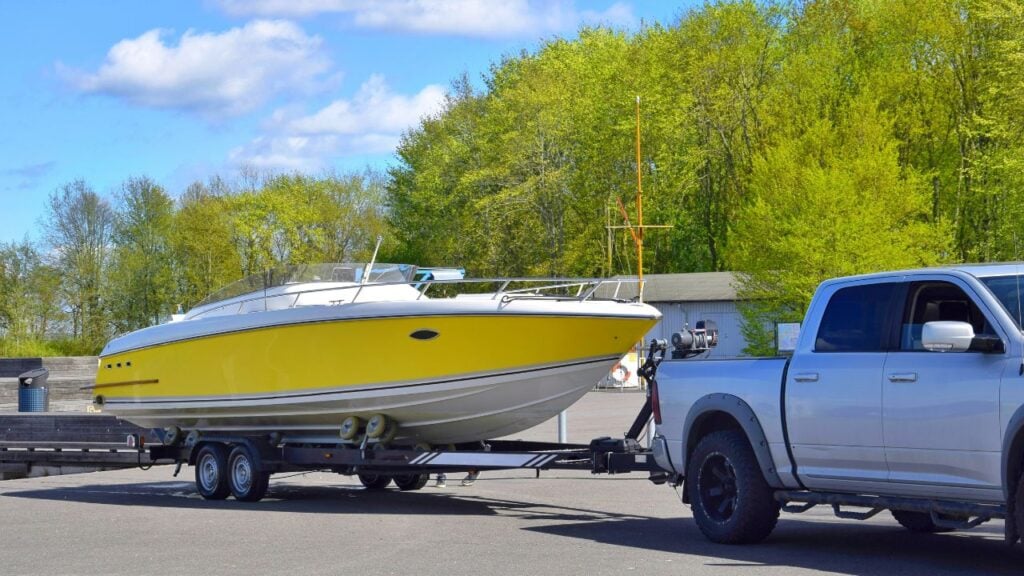
South Carolina had already logged eight boating deaths by the time Memorial Day weekend opened the 2026 season.
Many of the boat and trailer rules broken every year have nothing to do with the water, and everything to do with paperwork owners never double-check.
8 South Carolina Boat and Trailer Rules Some People Break
8 Ways South Carolinians Give Directions That Leave Visitors Completely Lost

State law gives South Carolina's 46 counties the final say over what a rural road is called, and almost none of them will touch a name once it's assigned.
That sounds tidy until you're the one holding a phone with a blue dot that refuses to move.
Ask a South Carolinian for directions, and the answer comes back built out of landmarks that no longer exist.
8 Ways South Carolinians Give Directions That Leave Visitors Completely Lost
