
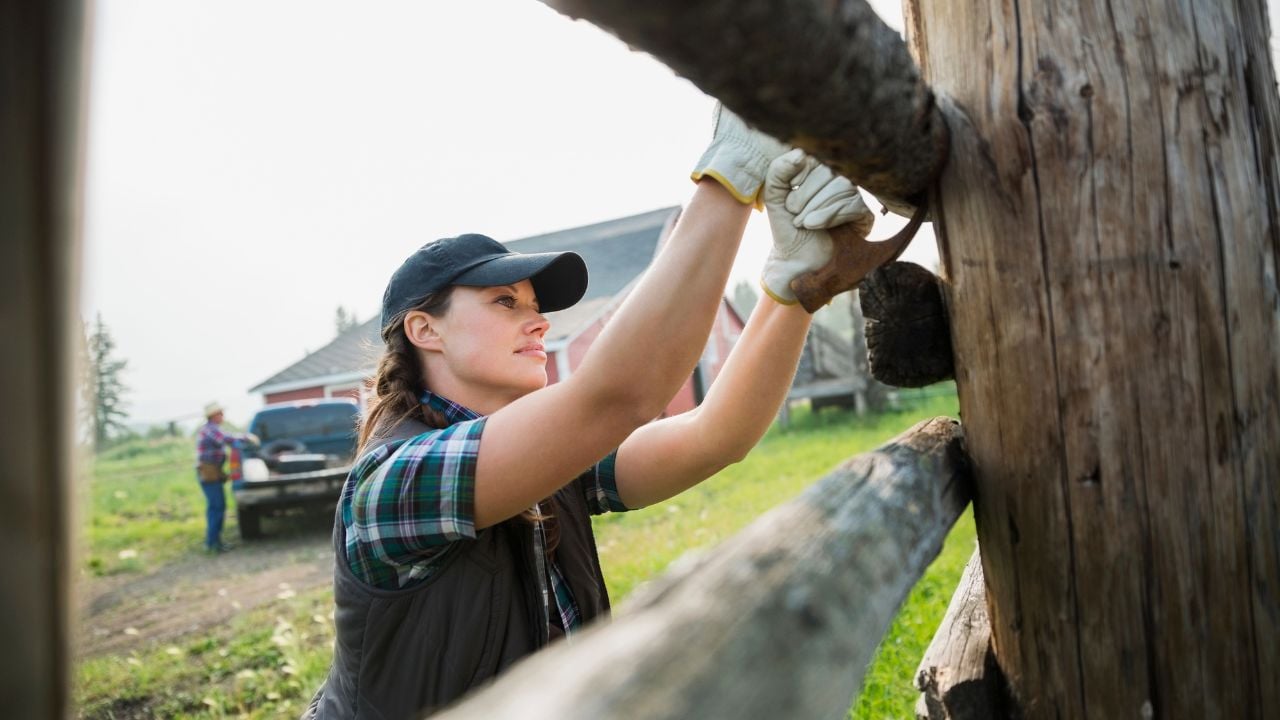
6 Fence Law Rules That Decide Who Pays in Oklahoma

Oklahoma’s fence code spells out a lawful fence down to the inch, with a top wire that has to run between 54 and 58 inches off the ground.
When a fence misses those numbers, Oklahoma law decides who pays for whatever it didn’t stop.
It also decides who pays for the fence.
These are the fence law rules that decide who pays in Oklahoma.
Note: This is general information, not legal advice. Fence and property line rules are subject to change.
1. the Default 50/50 Split
Oklahoma law splits the cost of a shared line fence equally between neighbors by default.
Neighbors on both sides of a partition fence have to keep it in good repair all year long, a duty on the books since 1910.
Fifty-fifty.
Nobody has to sign anything for that duty to kick in.
Only a written agreement changes that, and a handshake doesn’t count.
There’s one exception.
A landowner who leaves land open as commons doesn’t owe a cent toward a neighbor’s fence, at least until they enclose that land or start using it for something else.
Once a landowner starts using that same land, or puts a fence around it, the 50/50 duty kicks in right away.
2. Buying Into an Existing Fence
Enclosing previously open land makes a landowner a late arrival joining someone else’s fence.
That newcomer owes half its value before tying onto it.
Oklahoma law gives that newcomer another option, too.
Instead of paying, they can rebuild half the fence themselves, as long as the work is finished within two months.
It’s not a guess.
Three appointed fence viewers put a dollar figure on the existing fence, and that number becomes the bill.
If the newcomer goes thirty days without paying after that demand, the neighbor who built the fence first can take the case to court and collect.
3. the Fence Viewer Ruling
Oklahoma puts a disputed fence bill in the hands of three appointed fence viewers, not the two neighbors arguing over it.
Neither side stacks the panel.
Each neighbor names one fence viewer, and those two choose a third.
If a neighbor won’t name one within three days, the county sheriff appoints a viewer instead.
The viewers walk the fence line, weigh the dispute, and assign a dollar share to whichever neighbor’s stretch is falling down.
Their word carries weight in court.
Oklahoma still pays them $1 a day for the trouble, a rate lawmakers set decades ago and never raised.
Psst! How much do you know about how settlers claimed Oklahoma’s land in the first place? Take our quiz and see if you can ace it.
Quiz
Oklahoma Land Run IQ
Answer these questions on Oklahoma’s land runs and statehood story. We bet you can’t get them all right. Prove us wrong?
The nickname “Sooners” comes from settlers who did what during Oklahoma’s land runs?
4. the Fix-It-Yourself Bill
State law lets a landowner skip the argument and fix a neighbor's failing fence.
If the neighbor still won't cover their share, the fence viewers first confirm the repair was needed.
Then the bill goes out.
A neighbor who ignores it for a month owes the repair cost plus 1% a month in interest on top, collectible through a civil lawsuit.
A neighbor who leaves that bill unpaid for a full year owes about 12% more than the original repair cost.
5. the Lawful Fence Standard
State law decides who owes for stray-livestock damage by testing whether the fence the animals broke through counted as a lawful fence in the first place.
The numbers are exact.
The state's legal definition for a barbed wire fence calls for a top wire between 54 and 58 inches off the ground.
A bottom wire can't run lower than 16 inches.
Posts can't sit more than two rods apart.
A fence that comes up short on those numbers isn't a lawful fence under Oklahoma law, whether it's short a few inches or missing a post.
That distinction decides who owes for the damage.
Oklahoma law makes a stock owner liable for whatever their animals wreck after breaking through a lawful fence.
The math changes fast if the fence itself never met the legal standard in the first place.
The Other Kinds of Lawful Fence
Barbed wire isn't the only fence Oklahoma law recognizes as lawful.
A rail fence counts too, with three rails of solid material on posts set no more than ten feet apart.
A board fence works as well, with three boards at least six inches wide on posts eight feet apart.
Anything else needs the fence viewers' sign-off as an equivalent.
6. Tearing Out a Line Fence
Oklahoma's newest fence rule didn't arrive until 2007, decades after the rest of the code was written.
A landowner who gets a survey showing the property line doesn't match an existing fence can't just tear it down.
That notice has to go out the same formal way as a lawsuit summons, not a letter left in the mailbox.
There's no shortcut.
Written notice goes out first, survey attached, giving the other side thirty days to work it out.
If the two sides can't agree within thirty days, the case can head to district court instead.
A judge can order the fence to stay put while the case works its way through court.
Whoever loses that fight pays for more than just the fence.
The 1895 Range Closure
Oklahoma wasn't always a fence-in state.
Under that open-range system, a crop owner had to fence livestock out, not the other way around.
The territorial legislature closed the open range in 1895, years before statehood.
Livestock owners became responsible for keeping animals contained under the resulting Oklahoma Herd Law, instead of leaving crop owners to fence them out.
It never reversed.
That law hands attorney fees and court costs to the winning side.
A disagreement that started as a few hundred dollars in survey work can end as a bill for somebody's whole legal defense.
9 Things Nobody Warns You About Before Moving to Oklahoma
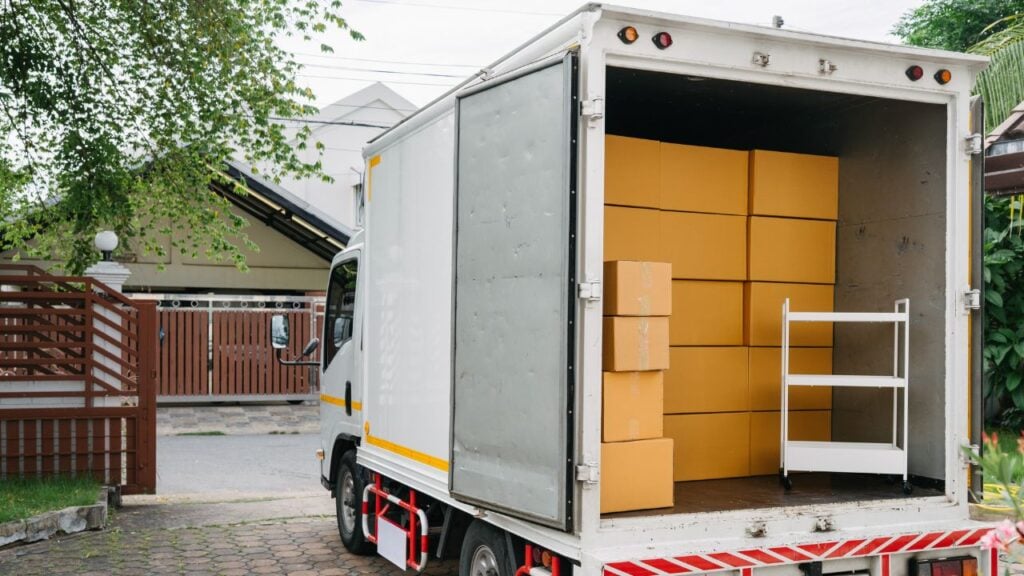
Moving to Oklahoma comes with a strange mix of relief and surprise for a lot of new residents.
One bill lands lower than expected, another lands high enough to sting, and that pattern keeps showing up through the first year in the state.
9 Things Nobody Warns You About Before Moving to Oklahoma
9 Things Oklahomans Miss Most After They Leave the State
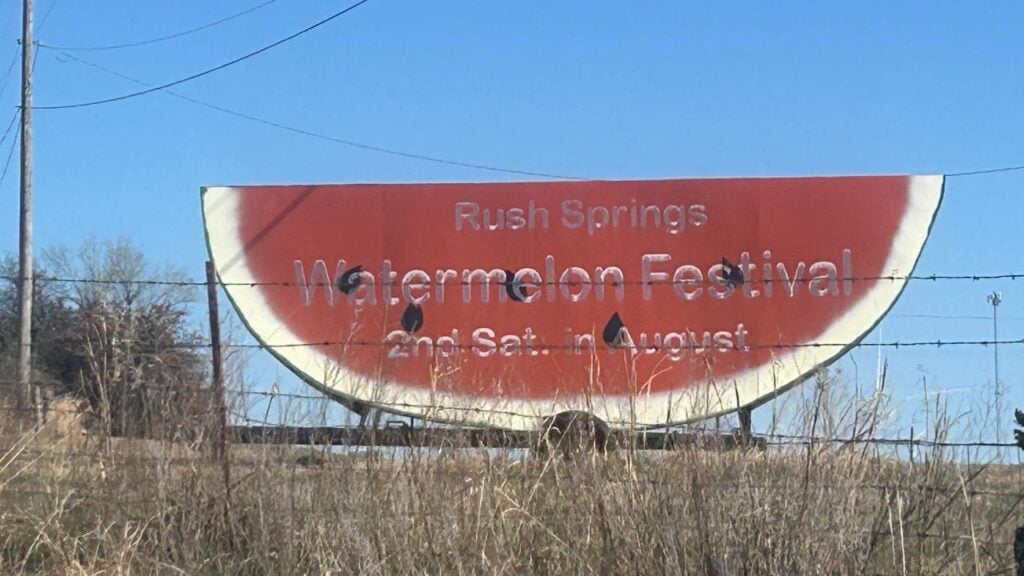
Leaving Oklahoma has a way of showing up in small cravings that stick around long after the move is done.
A half-gallon of butter pecan ice cream from a Braum's outside Norman still goes into the truck, even though it won't survive the drive.
