
5 Mississippi Tamale Rules Nobody Explains to Visitors

The Mississippi Delta’s Hot Tamale Festival is still almost two weeks away, but the smell already drifting downtown gives away what’s coming.
Nobody hands over a menu, and the tradition runs on customs regulars rarely spell out.
These are the Mississippi tamale rules nobody explains to visitors.
1. Tamale, Never Tamal
Hot tamales go by one name at a Delta counter, and it’s not the Spanish “tamal.”
The Southern Foodways Alliance’s oral history project on Delta tamales notes that in local usage, “tamale” stays singular, never the Spanish “tamal.”
One word, no swaps.
Many counters price hot tamales by the dozen or half dozen, not by the piece.
Round numbers only.
Scott’s Hot Tamales in Greenville used to turn out roughly 100 dozen tamales some weeks before it closed in August 2024, according to Mississippi Today.
What Comes in a Dozen?
A dozen order at a Delta tamale counter means twelve tamales, the size many stands treat as a family portion rather than a single lunch.
Smaller roadside counters usually default to a half dozen instead, a size built for one visitor’s lunch rather than a family’s stop on a road trip.
Doe’s Eat Place in Greenville has sold its take-home tamales by the coffee can for generations, a carryout habit the Southern Foodways Alliance has documented at the restaurant.
2. Wet Tamales, Not Dry
Delta tamales arrive at the counter still sitting in the liquid they cooked in.
A visitor expecting a dry, plated tamale notices the difference fast.
That reddish broth comes from simmering the tamales rather than steaming them.
Many Delta stands ladle a portion of it right into the to-go container.
A few carryout orders come drained for a long trip home, but the classic Delta plate keeps the tamales sitting in their broth.
The juice is the point.
3. No Eating the Shuck
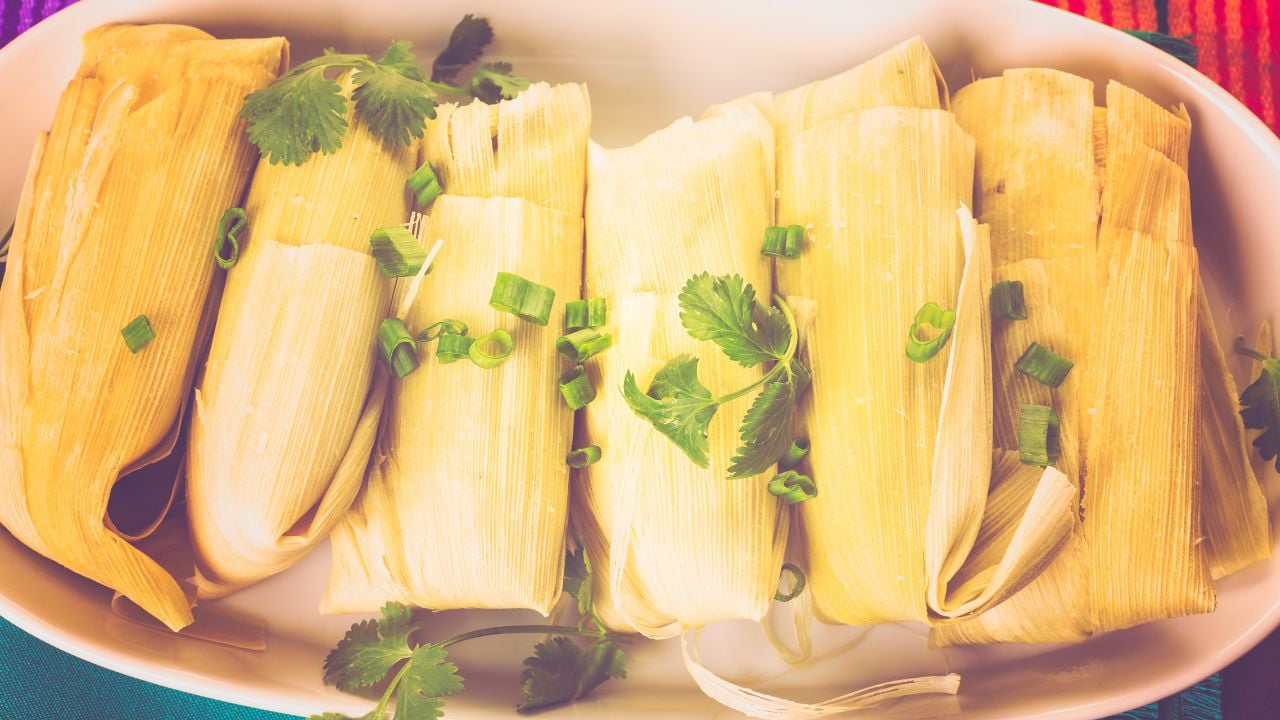
Delta cooks traditionally tie hot tamales in bundles of three, according to the Mississippi Encyclopedia, before they go into the pot.
Delta hot tamales come wrapped in a corn shuck, hand-tied with a piece of twine.
That shuck isn’t part of the meal.
What looks like one order is a small stack to work through.
The shuck holds its shape even after the tamale inside cooks soft, so a first-timer who bites straight through the wrapper ends up chewing dried corn leaf instead.
Set the shuck aside on the plate or the trash provided at the counter.
Whatever broth or sauce is left in the container is what’s meant for dipping.
4. Crackers, Not Silverware
Asking for a fork at a roadside tamale stand marks a visitor about as fast as asking for one at a crawfish boil.
Delta hot tamale counters hand over a stack of saltine crackers with almost every order.
That’s the tool, not a fork.
Diners use the crackers to scoop the filling straight out of the shuck.
At some counters, regulars spread the meat onto a cracker like a slice of bread.
Bread never shows up.
Crackers hold up against the broth without turning soggy the way bread would, which is part of why the habit stuck.
Crackers do the work.
5. Gas Stations Over Restaurants
Hot tamales almost never turn up at a Mexican restaurant, which is the first place many visitors think to look.
The Southern Foodways Alliance has documented the Delta’s tamale trail since 2005.
The map runs from Tunica down to Vicksburg through gas stations, quick marts, blues clubs, and family cafes.
It isn’t a taco truck.
That trail now has more than 50 stops across the Delta.
A quick mart like Airport Grocery in Cleveland sits on the map right alongside sit-down spots and blues venues.
A gas station counter with a warmer by the register is often the better bet than a restaurant search on the Delta’s back roads.
Psst! How much do you know about Mississippi’s hot tamale tradition? Flip these cards and see how many you get right.
Beyond the Delta
The hot tamale supply chain reaches well past the Delta’s edge these days.
Juke Joint Foods now distributes Delta-made tamales wholesale to restaurants and stores across Mississippi, Arkansas, Louisiana, Alabama, and Tennessee, according to Mississippi Today.
A dozen travels well.
Greenville founded the festival itself in 2012, seven years after the Southern Foodways Alliance first mapped the trail its vendors sit on.
This year’s dates run October 16-17.
Mississippi Today reports that the festival now pulls in roughly 20,000 visitors over its October weekend.
A shipped box of Delta tamales still arrives tied in shucks and swimming in broth, the same way a Greenville counter serves them fresh every morning.
Saltine crackers aren’t included, so a home cook picking up a shipment for the first time should already have a sleeve in the pantry before the box shows up.
Blues Clubs Serve Them Too
The hot tamale trail crosses paths with the blues on more than one Delta stage.
Ground Zero Blues Club in Clarksdale serves fried hot tamales alongside live Delta blues just about every weekend, according to the Southern Foodways Alliance.
The pairing runs back further than any single venue.
Reverend Moses Mason recorded a tamale-vendor song called “Molly Man” in 1928, eight years before Robert Johnson’s better-known “They’re Red Hot.”
The Southern Foodways Alliance points to that timing as proof hot tamales were already popular across the South before the Great Depression.
Mississippi made the pairing official in 2011, dedicating Blues Trail marker #138, Hot Tamales and the Blues, at Joe’s Hot Tamale Place in Rosedale.
It was the first culinary marker the state’s Blues Trail had ever put up.
5 Mississippi Foods Out-of-Staters Refuse to Try That Locals Would Never Give Up
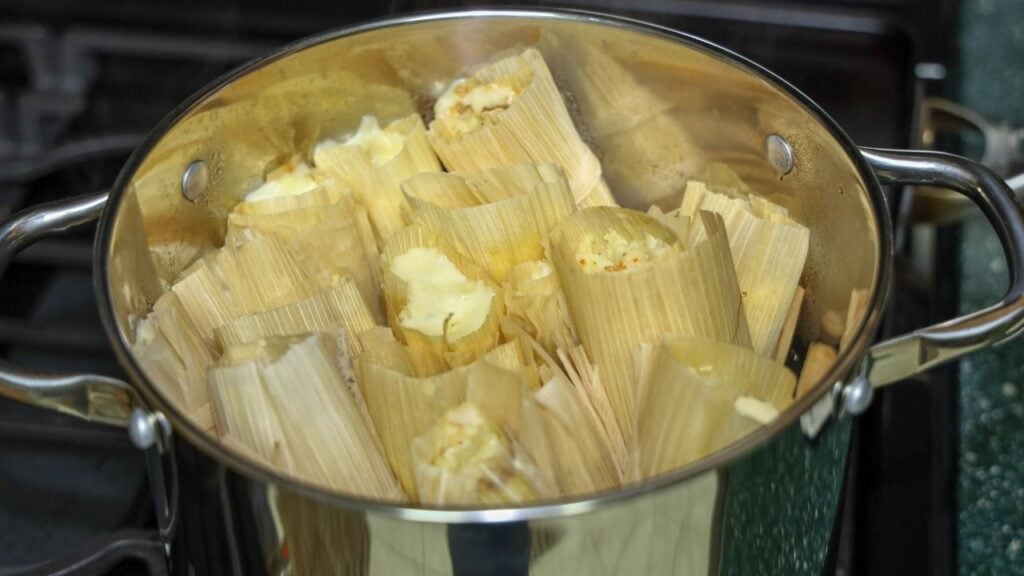
A Mississippi sandwich spends three full days boiling before it’s ready to eat, and that’s just one entry on a list of foods that take some convincing.
Locals never blink at any of them, even as out-of-staters need some talking into that first bite.
5 Mississippi Foods Out-of-Staters Refuse to Try That Locals Would Never Give Up
9 Cracker Barrel Traditions That Have Disappeared
Cracker Barrel’s stock dropped by $94 million in a single trading day in August 2025, right after the chain swapped its old logo for a slimmer one.
The company put the old logo back within days, but that headline-grabbing reversal wasn’t the only Cracker Barrel tradition that has changed or vanished over the years.
