
5 Mississippi Foods Out-of-Staters Refuse to Try That Locals Would Never Give Up

Three days is how long one Mississippi sandwich spends boiling before it’s ready to eat.
Out-of-staters need talking into the first bite.
Locals don’t need convincing.
These are the Mississippi foods out-of-staters refuse to try that locals would never give up.
1. Koolickles
Mississippi’s koolickles start as an ordinary dill pickle before someone drops it into a jar of red Kool-Aid syrup and leaves it there for days.
Food historians disagree on the exact town, but many trace the idea to the Mississippi Delta, where families started experimenting with sweeter versions of the classic sour pickle.
Out-of-staters take one look at the neon-red color and assume it’s a novelty, not something people eat.
They hesitate before the first bite.
Double Quick, the Delta’s own convenience-store chain, trademarked the name and sells them at gas stations, school fundraisers, ballgames, and neighborhood shops across the region.
Bite into one, and the sour pickle and sugary syrup hit at the same time.
Mississippians reach for another.
What Makes Mississippi’s Koolickle Different From Other Southern Candy Pickles
Mississippi’s koolickle belongs to a much bigger family of Southern candy pickles, the kind made with a dropped-in peppermint stick or a packet of snow-cone syrup instead of Kool-Aid.
The koolickle is the Mississippi Delta’s own branch of that family tree, and it’s the version that ended up in national food coverage over the last two decades while the others stayed local.
2. Delta Hot Tamales
Delta hot tamales arrived with Mexican farmworkers who followed the cotton harvest into the Mississippi Delta around 1900.
Sharecroppers adopted them fast because they traveled well and reheated even better.
Within a few years, they were as common in the Delta as hot dogs.
The Delta version splits from its Mexican roots in a few ways.
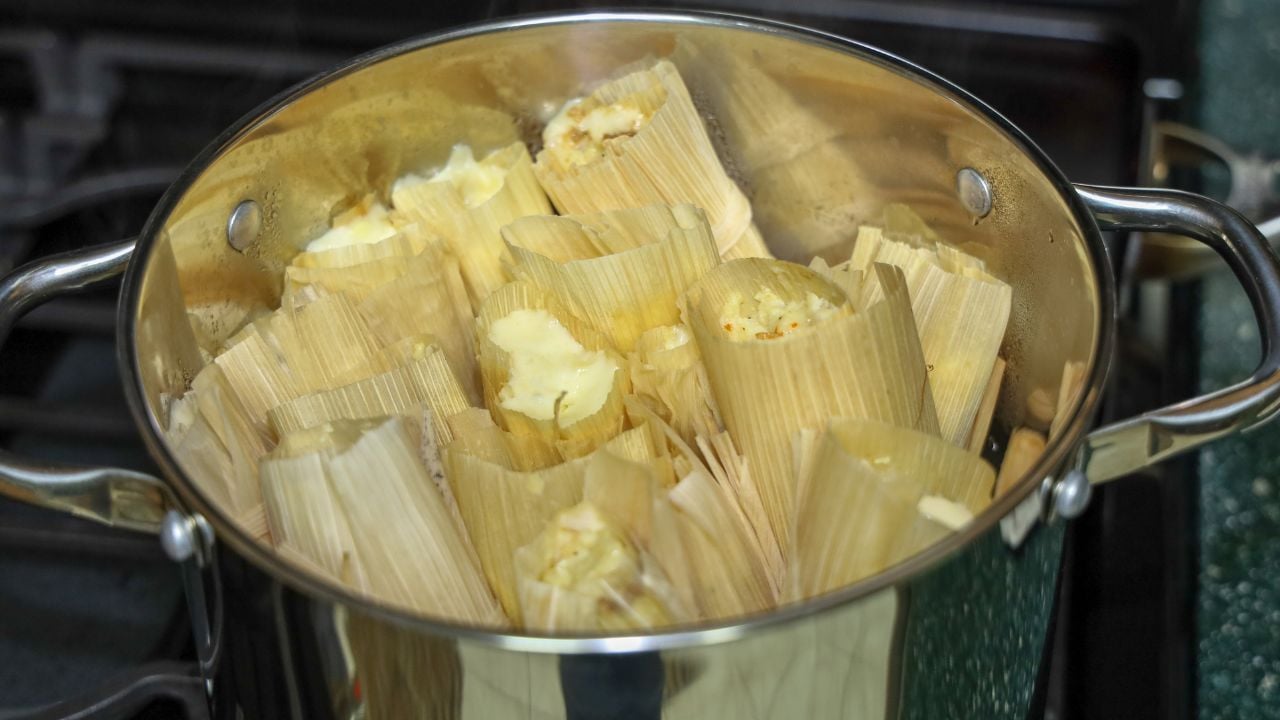
Plain cornmeal replaces coarser masa, cooks tie the tamales in bundles of three, and the filling runs spicier than many visitors expect.
Locals scoop the filling out with saltine crackers instead of silverware.
Greenville throws its own Hot Tamale Festival every year to prove the dish never left.
Out-of-staters still ask why the Deep South is serving something that looks like it wandered up from Mexico.
It didn’t wander.
It stayed.
3. Pig Ear Sandwich
One of Mississippi’s most divisive sandwiches sits at Jackson’s Big Apple Inn, built from an actual pig’s ear boiled tender over three days until it’s tender enough to slice.
Juan Mora opened the restaurant in 1939, after years of selling hot tamales from a cart on the same street.
He built the sandwich around a cut of meat butchers used to throw in for free.
His great-grandson runs the place now.
The sandwich still costs about two dollars.
Regular Jerry Bracey has ordered his the same way for forty years.
“Don’t nobody else fix them like this,” he says.
Anthony Bourdain featured the sandwich on his television show and praised it on camera.
Out-of-staters hear “ear” and hesitate.
Locals just order two.
Psst! How much do you know about Mississippi’s food history? Take our quiz and see how many you can get right.
Quiz
Mississippi Food History IQ
Answer these questions on Mississippi food history and trivia many people never learn. We bet you can’t get them all right. Prove us wrong?
Born in Tupelo, Mississippi, Elvis Presley loved a fried sandwich made with peanut butter and banana. What third ingredient did he add?
4. Souse Meat
Mississippi's souse meat turns a hog's head into cold cuts, simmered down for hours until the meat falls loose and sets in its own natural gelatin.
Jackson's Hemphill's Souse and Sausage Kitchen has made it since 1946, three owners and one name change later.
Leland's Fratesi Grocery, an Italian immigrant family's store since 1941, sells its own version at the deli counter.
The farmers who stop in daily order it without needing to ask what it is.
The Mississippi Encyclopedia traces souse back to European butchering techniques that Southern cooks folded into their own kitchens generations ago.
Slice it thin, and it looks more like aspic than lunch meat.
Newcomers pass.
Around Jackson, people spread it on crackers and eat it as an afternoon snack.
5. Fried Chicken Livers
Fried chicken livers hold a permanent spot on the counter at Double Quick, the same Mississippi Delta convenience-store chain behind koolickles.
Other Delta gas stations fry their own baskets, but Double Quick's counter is the one regulars still talk about most.
Cooks dredge the livers, drop them in the fryer, and bag them up hot for anyone who asks.
A regional food writer called the basket a down-home classic worth the detour.
A lot of first-time visitors flinch at organ meat before they even taste it.
Texture is the hurdle.
Not flavor.
Mississippians who grew up on liver and onions don't understand the fuss.
Fried Dill Pickles Split Mississippi Kitchens
Mississippi's fried dill pickles carry more than one origin story.
Mississippi restaurants still argue over which one is true.
The Mississippi Encyclopedia's strongest account points to the Hollywood Café, a Robinsonville diner that ran out of catfish one night and fried a batch of pickle spears instead.
By accident.
The encyclopedia won't settle the argument, though.
It credits other Mississippi and Arkansas kitchens with the same claim, Jackson's Hal & Mal's among them.
A cold, sour pickle spear dropped into hot batter still catches out-of-staters off guard.
The vinegar hits first, then the crunch.
Mississippi kitchens keep fighting over bragging rights, not the recipe.
Mississippi Keeps Adding to the Menu
Mississippi's gas-station kitchens keep adding stops that have nothing to do with koolickles or tamales.
A truck stop off Interstate 20 fries curries and tangy chaats for regular customers who know the schedule.
An Oxford filling station serves Honduran fried chicken with plantains, red salsa, and a creamy sauce on the side.
Each earns its own regulars.
At a Gulfport convenience store, chef Ai Trinh has spent 21 years frying Vietnamese spring rolls and glazing honey chicken for regulars who now treat her counter like a neighborhood kitchen.
"People fell in love with the taste and seasoning," Trinh says, "and they've kept coming back."
