
9 South Carolina Habits That Place Someone Below the Fall Line

South Carolina’s Fall Line runs straight through Columbia, the exact spot where the hilly Piedmont drops off into flat coastal plain.
Everything below that line acts a little different.
These are the South Carolina habits that place someone below the Fall Line.
1. Pronouncing Beaufort the Coastal Way
South Carolina’s Beaufort is pronounced “Bew-fert,” rhyming with “dew,” a fact that trips up anyone comparing it to Beaufort, North Carolina.
That other Beaufort rhymes with “go” instead.
Nobody mixes them up.
2. Marking the Calendar for Hurricane Season
South Carolina’s coastal counties treat June through November as a season unto itself, habitually stocking batteries and water well before the first named storm.
Upstate neighbors watch the news instead.
It runs on muscle memory.
Why the Fall Line Splits South Carolina in the First Place
South Carolina’s Fall Line marks where the Piedmont’s harder, older rock gives way to the coastal plain’s sandier, younger sediment.
Rivers crossing that boundary once dropped into rapids and small waterfalls.
That’s exactly why boats couldn’t travel any farther upstream, and cities like Columbia grew up right at that edge instead.
3. Calling It Pluff Mud, Not Just Mud
Tidal marshes along the coast give off a distinct smell at low tide, and Lowcountry natives call it pluff mud.
Visitors usually notice it right away.
That smell means home.
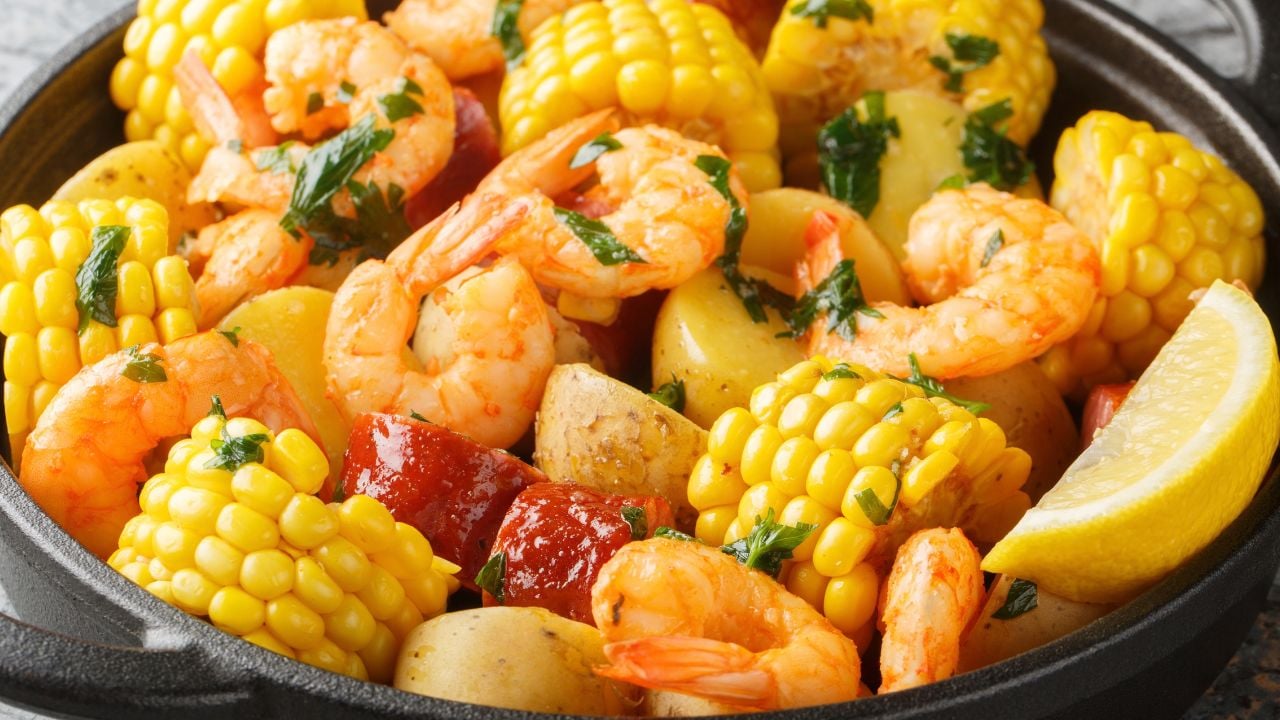
4. Ordering Frogmore Stew by Name
South Carolina’s Lowcountry boil has a proper name in its home territory: Frogmore stew, after the St. Helena Island community where shrimper Richard Gay popularized it in the 1960s.
Gay built his version from Gullah Geechee one-pot cooking traditions that predated him by generations.
Above the Fall Line, many people just call it a shrimp boil.
Not below it.
5. Recognizing a Sweetgrass Basket
Sweetgrass baskets, a Lowcountry staple, trace back to enslaved West African artisans, who used a coiled sewing technique unlike anything in European basketry.
The flat “fanner” baskets once separated rice from its husk on Lowcountry plantations.
Mount Pleasant still sells them today, mother to daughter, the same way it has for three centuries.
The weave never left.
6. Hanging Onto the Coastal Brogue
South Carolina’s coastal counties once carried a distinct brogue that linguists have studied for its unusual vowel sounds, separate from the drawl heard farther inland.
Researchers say the accent has been fading for decades as newcomers move in.
Older families still carry it.
Psst! How much do you know about South Carolina’s Lowcountry? Take our quiz and see how many you can get right.
Quiz
South Carolina Lowcountry IQ
Answer these before you finish reading. We bet you can’t get them all right. Prove us wrong?
What makes Congaree National Park, about 20 miles from Columbia, unusual?
7. Knowing Exactly Where Columbia Sits
The state capital sits right on the Fall Line itself, where the Broad and Saluda Rivers meet to form the Congaree.
Columbia counts as neither fully Upstate nor fully Lowcountry.
Below the Fall Line starts just past the capital's edge.
Right at the edge.
8. Calling Home the Lowcountry
The low, flat coastal plain below the fall line has answered to one name for generations.
Locals call it the Lowcountry, and they say it with pride.
Upstate residents rarely use the word for themselves.
The name carries weight.
9. Knowing What Carolina Gold Built
The coastal rivers once carried barrels of Carolina Gold rice downstream, out of plantations that built the Lowcountry's early fortunes.
Enslaved workers from West Africa's rice-growing regions supplied the expertise that made the crop possible in the first place.
That history still shapes the towns along the coast.
It never washed out.
The Fall Line Once Made History
South Carolina's Fall Line didn't just split the landscape between two regions.
It also once made history for the entire textile industry.
Columbia Mills opened right at the Fall Line in 1893, built to run on water power from the Congaree River's natural drop.
By April 1894, the mill became the first textile mill anywhere in the world to run completely on electric power.
Seventeen motors, driven by hydroelectric generators, did the work a single water wheel couldn't handle.
A world first, right there.
What the Upstate Never Quite Understood
South Carolina's Upstate, above the fall line, grew up around textile mills, not rice fields, and its towns built an identity around cotton and later manufacturing instead of the coast.
Two very different South Carolinas.
A Greenville native and a Beaufort native can grow up in the same state and barely recognize each other's version of it.
That goes right down to what they call the summer humidity and what they expect a Sunday dinner to look like.
Below the Fall Line, none of that feels like a divide. It just feels like home.
Anyone who grew up there can usually spot someone else who did within the first few sentences of a conversation.
9 Ways to Embarrass Yourself at Your First South Carolina Oyster Roast
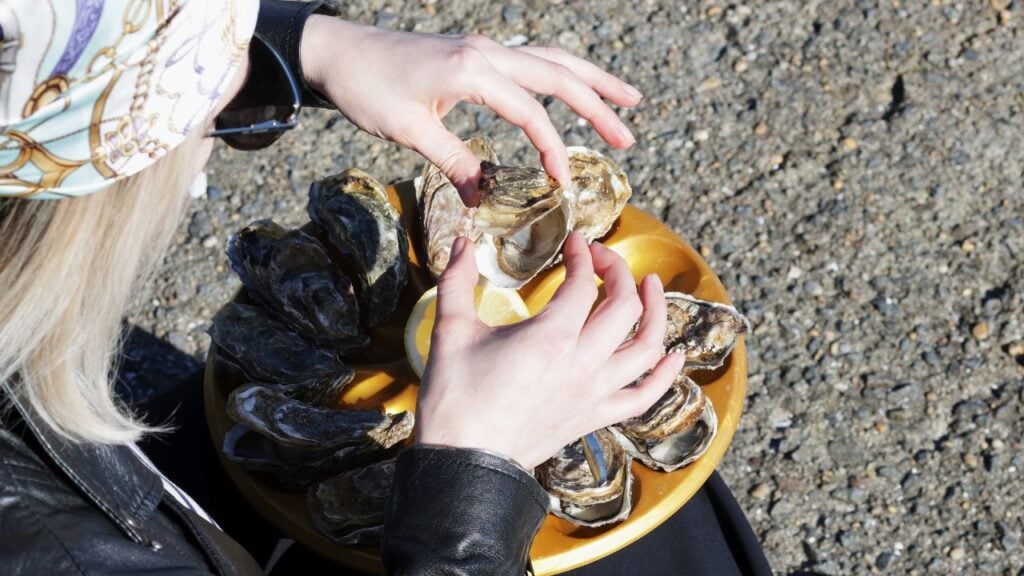
Below the Fall Line, an oyster roast comes with an unwritten rulebook.
Newcomers usually break at least one of those rules before the first shell hits the table.
9 Ways to Embarrass Yourself at Your First South Carolina Oyster Roast
7 South Carolina Town Names Even Longtime Residents Say Wrong

Beaufort isn't the only South Carolina name that trips people up.
A handful of small towns have been correcting out-of-staters, and even some locals, for generations.
7 South Carolina Town Names Even Longtime Residents Say Wrong
