
13 Signs Someone Was Raised in Louisiana No Matter Where They Live Now

If someone raised in Louisiana moves a thousand miles from home, listen to how many old customs travel with them.
These are the signs someone was raised in Louisiana, no matter where they live now.
1. Asking for Lagniappe
Louisiana raised you with a habit that doesn’t exist by name almost anywhere else: Asking for lagniappe, a little something extra a merchant tosses in for free.
The word moved through three languages, from Quechua into Spanish and then into Louisiana French, before merchants in New Orleans ever said it out loud.
Nobody else asks that way.
A baker in Denver has no idea what a Louisiana-raised customer means by asking what comes with it.
The customer has no idea why that’s confusing.
2. Making Groceries
Making groceries is a phrase that confuses everyone the first time they hear it, and in Louisiana it just means going to buy groceries.
The phrase is commonly traced to French speakers translating “faire son marché” a little too directly into English.
It stuck the way other Creole and Cajun phrasing has.
Nobody translates it back.
Move a Louisiana-raised shopper to Chicago, and they’ll still tell you they’re making groceries on Saturday morning.
The cashier just blinks.
3. Neutral Ground
New Orleans, Louisiana’s largest city, calls its street medians a neutral ground, a term no other city in the country uses the same way.
The phrase started as a buffer zone between Spanish and American territory in the early 1800s.
New Orleanians borrowed it for Canal Street’s median after 1836, when the street divided the city’s Creole and American sides.
The name stayed.
Louisiana road signs and local traffic reports still use the term today, more than a century after the buffer zone disappeared.
4. Cajun Trinity
The trinity means onion, celery, and bell pepper to a Louisiana cook, not the ordinary recipe meaning of the word.
Cajun and Creole cooks built the combination into the base of gumbo, étouffée, and jambalaya long before recipe writers started calling a vegetable base a “mirepoix.”
No mirepoix required.
Onion, celery, and bell pepper go into the pot chopped fine and in that order, before anything else happens.
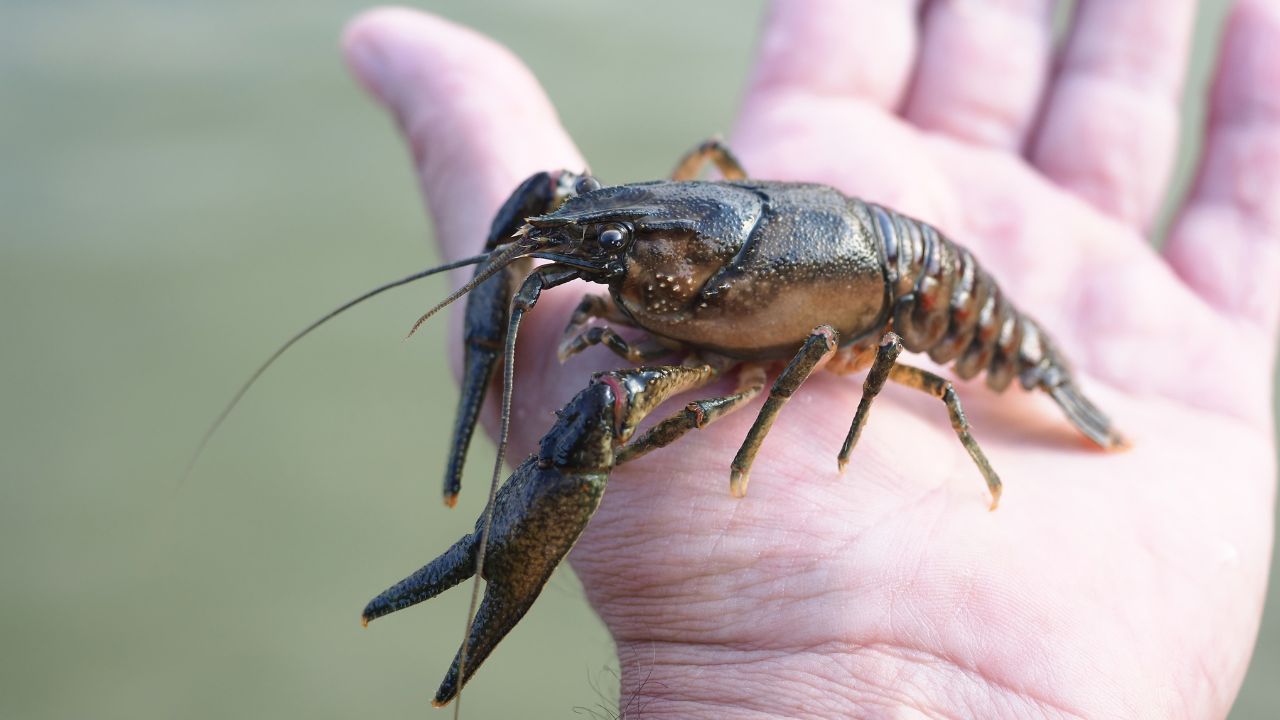
5. Peeling a Crawfish
A kid learns to peel a crawfish before they can tie their shoes, pinching the tail and pulling while somebody older explains the rest.
Peak season usually runs March and April, though a warm winter can bring the first good boils out as early as November.
Sucking the head is optional.
Hand a Louisiana-raised guest a bucket of crawfish at an out-of-state boil, and they’ll clear their pile before anyone else finishes their first crawfish.
6. Cajun vs. Creole
Cajun and Creole are two distinct cultures under one regional label, and out-of-staters mix them up constantly.
Cajun families trace back to rural Acadiana, the prairies and bayous where Acadian refugees resettled in south Louisiana.
Creole identity grew up in multicultural New Orleans instead, shaped by French, Spanish, African, and Caribbean influences.
They aren’t the same thing.
A native never blurs the two, no matter how many states away the conversation happens.
7. Forced Heirship
Forced heirship is Louisiana’s name for an inheritance rule built from the state’s civil law code.
French and Spanish tradition shaped that code, not the English common law the other 49 states use.
In nearly every other state, a parent can legally leave a child nothing at all.
Not in Louisiana.
The rule traces back to that same colonial legal code, and it’s called forced heirship.
A Louisiana-raised adult who hears that a friend elsewhere was legally cut out of a parent’s will, with no recourse at all, reacts with genuine disbelief.
What Forced Heirship Guarantees
Louisiana calls the protected share a legitime, and it doesn’t cover every child automatically.
Only children 23 or younger, or children of any age who can’t care for themselves because of a permanent disability, qualify as forced heirs under Louisiana law.
8. Parishes Instead of Counties
Louisiana has 64 parishes instead of counties, the only state in the country that does it this way.
The word comes from the state’s French and Spanish Catholic roots, when local government boundaries followed church parish lines instead of a courthouse map.
The habit sticks.
Every other state’s paperwork asks for a county, and a Louisiana-raised person writes “parish” on the line out of habit before catching themselves.
9. Mardi Gras Calendar
Mardi Gras shapes the whole winter around a date that moves every year.
Mardi Gras falls 47 days before Easter, swinging between early February and early March depending on the year.
King cake season follows a fixed window instead, starting on Twelfth Night, January 6, and ending the moment Fat Tuesday does.
The season has rules.
Someone who grew up with it still checks the Mardi Gras date every year out of habit.
They still expect a king cake on the shelf the day after New Year’s, no matter how far the nearest bakery is.
10. Coffee With Chicory
Chicory coffee became a local habit out of wartime shortage that outlasted the war by more than a century and a half.
New Orleans residents started stretching scarce coffee with roasted chicory root during the Union blockade of the Civil War, and the taste stuck around long after supply ships came back.
Necessity became a preference.
Café Du Monde still serves the blend by default, and a coffee drinker raised on it keeps buying chicory blends at grocery stores hundreds of miles from the nearest beignet.
Psst! How much do you know about Louisiana’s history? Take our quiz and see how many you can get right.
Quiz
Louisiana History IQ
Answer these questions on Louisiana’s history and landmarks. We bet you can’t get them all right. Prove us wrong?
What claim does the Louisiana State Capitol in Baton Rouge hold among every state capitol building in the country?
11. Loaded Snowball
A Louisiana snowball starts with ice shaved fine and fluffy, not the coarse crunch of an ordinary snow cone.
George Ortolano and Ernest Hansen separately patented electric ice shavers in New Orleans in the 1930s, replacing the hand-shaved block ice vendors had pushed on carts before then.
Other cities have snowball traditions going back further, Baltimore's among them, but New Orleans stands built a heavier, loaded style around that machine.
Loaded, not plain.
Many New Orleans snowball stands drizzle theirs with condensed milk, tuck in cheesecake pieces, or hide a scoop of ice cream in the center.
A Louisiana-raised regular orders a snowball somewhere else and finds a cup of plain syrup over ice, with nothing loaded into it.
12. Parish-by-Parish Evacuations
Hurricane season starts June 1 every year in Louisiana and runs through the end of November.
Evacuation orders in Louisiana go out parish by parish rather than as one statewide call.
A person's home parish decides when they leave and which route they take out.
The habit doesn't leave.
A Louisiana-raised person still checks the storm track every June from a landlocked state, and still knows their old parish's evacuation routine better than their current zip code's.
13. To-Go Cup Habit
Louisiana's biggest city lets an adult carry a drink down a public street in the French Quarter, long after many other states banned that outright.
The city allows a plastic go-cup as long as it isn't glass, an exception a handful of other states and cities carry in some form too.
Plastic only.
A Louisiana-raised person orders a drink to go at a Nashville bar, and the bartender tells them that's not how it works there.
6 Rouses Markets Habits That Cost Louisianans Every Week
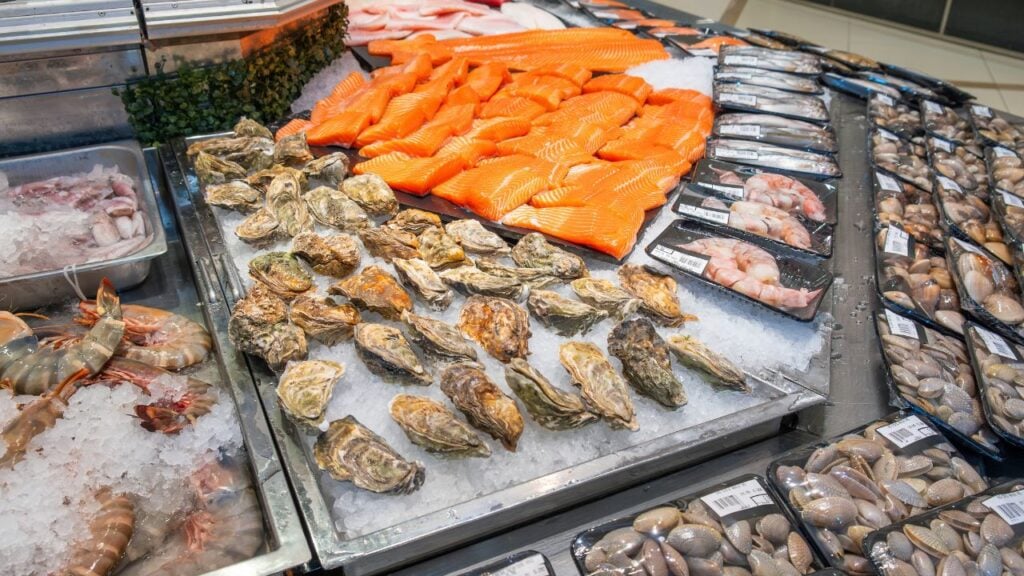
A cart full of Rouses finds can still ring up higher than it needed to.
Loyalty to the store doesn't cancel out a habit that drains a grocery budget every week.
