
9 Things Pennsylvanians Know About Winter That Transplants Learn the Hard Way

Pennsylvania’s winters don’t follow anyone else’s calendar.
Locals learn that as kids.
These are the things Pennsylvanians know about winter that transplants learn the hard way.
1. Wipers Mean Headlights
Pennsylvania ties your headlights to your wipers by law, a lesson many transplants learn late. Under the state’s vehicle code, running the wipers for rain, snow or sleet means the headlights come on too, daylight or not.
Locals flip both switches without thinking about it.
It’s automatic by now.
Transplants leave the lights off on a gray, snowy afternoon and find out about the law from a trooper’s flashlight instead of a road sign.
2. Snowy Roofs Can Cost $50
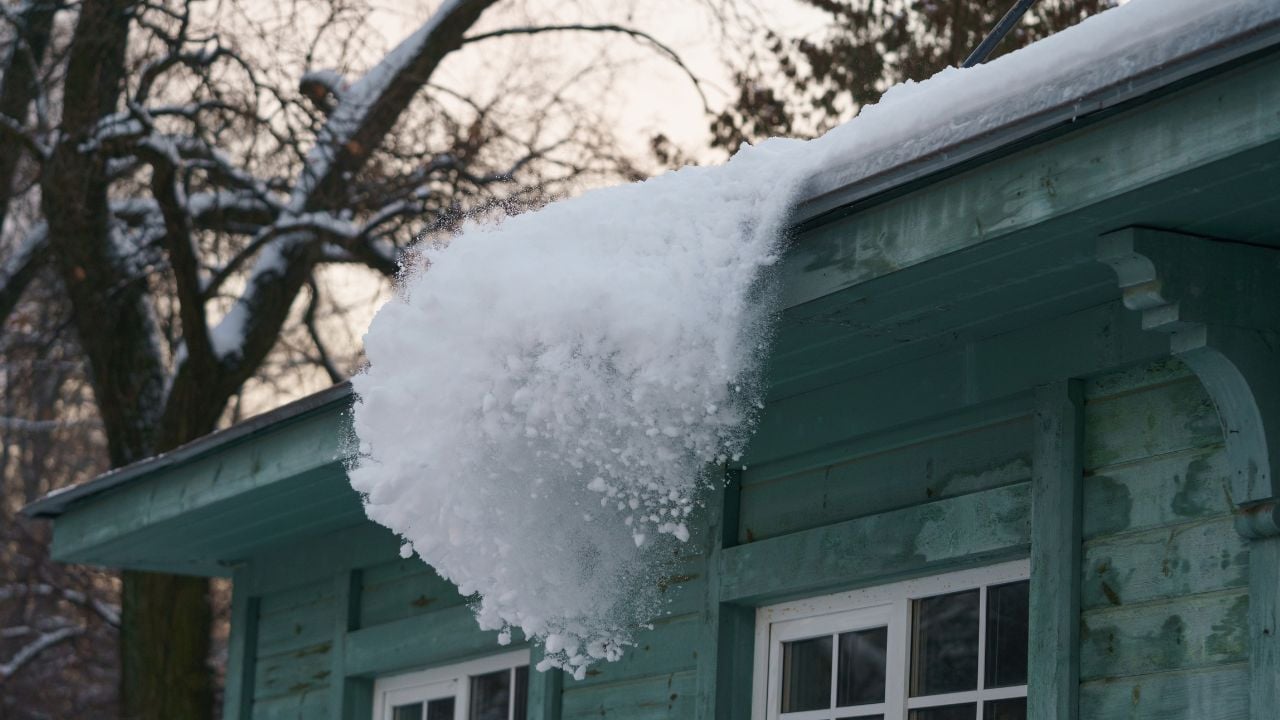
Pennsylvania requires drivers to make a reasonable effort to clear winter snow and ice off a vehicle within 24 hours after it stops falling. That covers the roof and hood, not just a peephole scraped into the windshield.
Skip it, and an officer can write a $50 fine, whether or not anything ever flies off the car.
Locals sweep the whole vehicle before backing out of the driveway.
The whole car counts.
Transplants clear the windshield, hit the highway, and watch a sheet of roof snow launch into the car behind them.
What Bumps Pennsylvania’s Fine to $1,500
Pennsylvania’s $50 fine applies even when the leftover snow never leaves the car.
That fine only jumps to $200 through $1,500 per offense when dislodged snow or ice causes a serious injury or a death on the road.
That’s the line that turns an annoying ticket into a criminal-level charge.
3. Storms Come With a Fleet
Pennsylvania’s transportation department maintains nearly 40,000 miles of roads, which adds up to almost 96,089 snow-lane miles once every lane in both directions is counted separately.
That’s enough mileage to circle the globe nearly four times over.
That’s when the Pennsylvania Turnpike and PennDOT step in with tiered vehicle restrictions, banning empty tractor-trailers, RVs and motorcycles from certain roads.
Speed limits drop to 45 miles per hour for everyone else.
Everyone slows down together.
Locals check the restriction map before a long drive.
Transplants wonder why traffic has crawled to a stop for no visible reason, not realizing state troopers waved a whole class of vehicles off the highway an hour earlier.
4. Fall Means Watching for Deer
Pennsylvania logged 5,849 crashes tied to deer last year.
The state’s insurance department marks fall as the riskiest stretch, when deer enter their breeding season and move farther than usual.
Pennsylvania now ranks third in the nation for the odds of hitting an animal on the road.
That’s a lot of deer.
Locals slow down at dusk on rural stretches every October and November without needing a reminder.
Transplants keep highway speed after dark, and find out why every local widens their following distance the moment daylight starts fading early.
5. Snow Days Might Still Have Homework
Pennsylvania passed a law letting school districts convert a snow day into a Flexible Instruction Day, keeping kids working from home instead of granting an actual day off.
Some Philadelphia-area Catholic schools run the same kind of remote day under a different label.
The homework still counts.
Locals check the district app before letting the kids sleep in.
Transplants let the kids build a snowman all morning, then get a call about a missing assignment that was due at noon.
6. Philadelphia Gives You Six Hours
Philadelphia handles winter sidewalks with a hard deadline.
The city code gives property owners exactly six hours after snow stops falling to clear a path at least 36 inches wide, or 12 inches on a narrower block.
Locals grab a shovel the moment the flakes taper off.
The clock starts immediately.
Transplants wait for the weekend, and a neighbor who has the code memorized reports the block before the six hours run out.
7. Lawn Chairs Mean Back Off
Philadelphia police call the practice illegal every winter, and residents keep doing it anyway.
Dig a car out of a curbside spot, then mark it with a folding chair, a cinderblock or a card table balanced on an overturned pot.
Locals know a marked spot on their block means back off until the snow melts.
Nobody touches that chair.
Transplants move the chair to park there, and find out the chair’s owner considers that a bigger insult than backing into their bumper.
8. Groundhog Day Shuts Down a Town
Pennsylvania’s winter calendar always makes room for Groundhog Day, and Punxsutawney’s Groundhog Club has run the ceremony at Gobbler’s Knob since 1899.
The crowd has numbered in the thousands every February since a 1993 movie turned a local tradition into a national one.
Organizers banned alcohol at the event in 1998 after the crowds got out of hand.
It’s a whole production.
Locals plan around the road closures, or take the day off to go themselves.
Transplants schedule a meeting for February 2nd in that part of the state, then wonder why half the office called out.
Psst! How much do you know about Pennsylvania’s winter records? Take our quiz and see how many you can get right.
Quiz
Pennsylvania Winter IQ
Answer these before the plows even roll. We bet you can’t get them all right. Prove us wrong?
What’s the coldest temperature ever officially recorded in Pennsylvania?
9. Erie Barely Compares to Philadelphia
Erie's winters bury the city in far more snow than Philadelphia's: 104.3 inches a year on average under current climate normals, more than four times Philadelphia's 23.1-inch average and well past Pittsburgh's 44.1 inches.
The gap never closes.
Locals near Lake Erie budget an extra 20 minutes for the commute all winter and keep a second ice scraper in the garage.
Transplants who moved from anywhere south of Interstate 80 find out what a lake-effect band means the first time snow buries their street.
A coworker two towns over never saw a single flake.
21 Words Pennsylvanians Used in the '60s That Make No Sense Today

Back in the '60s, calling something cool didn't cut it in Pennsylvania. It was square, or maybe far out, and everyone in the room knew exactly what that meant.
These words rolled off the tongue in living rooms across the state and disappeared just as fast once the decade did.
21 Words Pennsylvanians Used in the '60s That Make No Sense Today
19 Phrases Pennsylvania Baby Boomers Still Say (Even If Nobody Else Does)

Pennsylvania baby boomers never fully retired their favorite sayings, even as the rest of the state moved on to new ones.
Some of these phrases still show up at the dinner table today, confusing kids who have never heard them anywhere else.
19 Phrases Pennsylvania Baby Boomers Still Say (Even If Nobody Else Does)
