
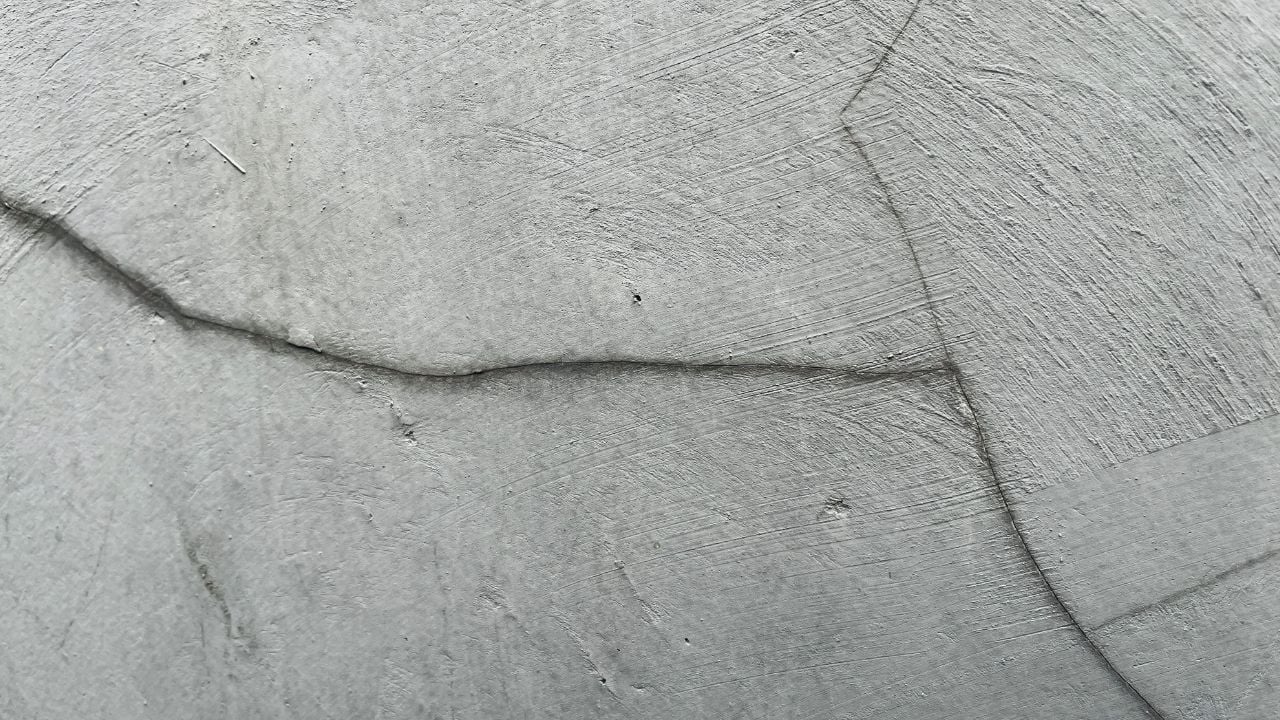
8 New-Construction Problems Tennessee Buyers Don’t Expect to Find

Your brand-new Tennessee home might never get checked against the state building code before you close.
State law lets a county or city skip enforcing it.
Here are the new-construction problems Tennessee buyers don’t expect to find, and what to look into before you sign.
Note: This is general information, not legal advice. Building codes, contractor licensing rules and construction laws vary by county and are subject to change, so confirm current requirements with your county building department.
1. Four-Year Deadline
You get just four years under Tennessee law to sue over a hidden construction defect in your new home.
That clock starts on the day your house is substantially finished, not the day a problem turns up.
Discovery doesn’t matter.
A cracked foundation or a failing roof that shows itself in year five gets no lawsuit at all under Tennessee’s statute of repose.
Nobody could have caught it any sooner.
Marketing language about a builder’s 10-year structural warranty can make you assume you’ve got a decade of legal cover.
You don’t.
State law caps your time to sue at four years no matter what a private warranty promises on paper.
The Fine Print on Tennessee’s Four-Year Clock
Tennessee allows you one exception: If a defect first causes harm during your fourth year, you get one additional year to sue from that date.
Wait past that extra year to notice the damage, and Tennessee’s four-year clock closes the door on you for good.
The only exception left is a builder who conceals the problem, which counts as fraud under Tennessee law.
2. Skipped Inspection
Your new-construction home’s framing, wiring, and plumbing might never be checked against the state building code before you close.
Nobody’s required to look.
State law lets a county or city government opt out of enforcing that code for one- and two-family homes, and multiple local governments across Tennessee have taken up the option.
You can still request a free, voluntary state inspection from the Fire Marshal’s Office, a right the legislature added in 2017.
That request has to come from you, though, and almost no buyer knows to make it.
Skip that call, and the only signature on your house belongs to the builder.
3. No Warranty Mandate
Nothing in Tennessee law forces your builder to offer a warranty on your newly constructed house.
Whatever protection you get is whatever the builder decides to put in writing.
Read it twice.
You rely instead on an implied warranty of workmanlike quality that Tennessee courts recognized in a 1982 ruling, plus whatever your builder puts in writing.
Tennessee’s Contractor Licensing Board can discipline your builder’s license over bad work, but the board itself can’t force repairs or hand you any money back.
Getting made whole means suing in civil court, on your dime, before that four-year deadline runs out.
4. License’s Dollar Cap
Tennessee requires your builder to hold a contractor’s license for any residential construction project worth $25,000 or more.
So if you confirm your builder holds one, you might assume that settles the question.
It doesn’t.
A Restricted Residential Limited License lets someone build homes worth up to $125,000 after finishing a short course, no state exam required, while a full, examined license covers anything larger.
Your custom build might run well north of $125,000, though its builder holds only the limited license.
That job sits outside what the license covers, even though “licensed” still reads true on paper.
The category matters as much as the license.
5. Sinkhole Country
Much of Middle Tennessee sits on karst limestone, bedrock that slowly dissolves into sinkholes and underground caves, and new-construction subdivisions keep spreading across it.
Your graded, sodded lot can look perfectly solid and still sit near a filled or buffered sinkhole underneath the surface.
Looks can deceive.
Montgomery County’s karst policy, covering the fast-growing Clarksville area, prefers that known sinkholes stay undisturbed.
Stormwater draining into a sinkhole can flood fast or carry pollution straight into the groundwater under your new home.
Leaving a sinkhole alone is usually the goal.
When a subdivision’s site plan shows a buffer zone or an engineered fill pad, that’s usually the reason.
It’s worth asking your builder or agent directly what sits beneath that lot.
6. Radon Blind Spot
Radon is a naturally occurring gas that seeps up through bedrock across the state, so it has nothing to do with how old or new your house happens to be.
New or old, same risk.
The Environmental Protection Agency’s radon zone map puts several East Tennessee counties, including the Knoxville and Tri-Cities areas, in its highest radon-potential zone.
Nothing in Tennessee’s building rules requires your new home to include radon-resistant construction, a sealed vent pipe running from under the slab up through the roof.
It can be capped off and activated later if a test comes back high.
A test after you move in is the only way to know for sure.
Psst! How new-construction-savvy is your Tennessee home search? Run through this checklist and see where you stand.
7. Septic System Gap
If your new-construction Tennessee home sits outside city sewer service, it needs a septic permit, which can require a soil evaluation for that lot.
That permit runs separate from your building permit for the house.
That’s a different system.
State rules govern the tank, the lines, and the drain field separately from the house sitting above them.
Your builder’s limited warranty, when one even exists, typically covers the structure itself, not the wastewater system buried in your yard.
8. Optional Termite Treatment
If your home purchase is backed by the U.S. Department of Veterans Affairs (VA), it requires a wood-destroying-insect inspection at closing.
Loans backed by the Federal Housing Administration (FHA) require the same inspection whenever state or local rules call for one.
A conventional loan or a cash purchase carries no automatic requirement at all.
You decide.
University of Tennessee Extension puts it plainly: Termites damage more Tennessee homes in a given year than fire does.
Yet nothing requires the inspection that would catch it on your new-construction sale.
If you’re paying cash or going conventional, you can close on a brand-new Tennessee house with no wood-destroying-insect report.
There’s no proof anyone ever treated the ground under your slab, either, unless you order a one-time pest inspection before closing yourself.
8 Mistakes Tourists Make Planning a Smokies Trip for Tennessee’s First Cool Weekend

Tennessee’s first proper cool weekend usually means the Great Smoky Mountains fill up fast, and the crowd shows up almost all at once.
A few common planning mistakes turn that first cool-weather trip into a headache before anyone even reaches a trailhead.
8 Mistakes Tourists Make Planning a Smokies Trip for Tennessee’s First Cool Weekend
7 Things Garbage Collectors Wish Every Tennessee Household Understood

A typical Nashville household sends close to 4,000 pounds of trash to the landfill every year.
Tennessee’s garbage collectors have a running list of habits they wish every household would fix before pickup day.
7 Things Garbage Collectors Wish Every Tennessee Household Understood
