
15 Normal Things From the 1950s That Are Banned in Pennsylvania Today

A Pennsylvania kid in 1958 could ride in a truck bed, spray DDT on tomatoes, and sleep in pajamas that could catch fire in seconds.
Nobody thought twice about any of it.
Much of that normal 1950s life is gone now, not because tastes changed but because regulators outlawed it.
These are 15 normal things from the 1950s that are banned in Pennsylvania today, just like they’re banned for Americans everywhere.
1. Spraying DDT on the Garden
Every Pennsylvania yard in the 1950s had a jar of the pesticide dichlorodiphenyltrichloroethane (DDT) under the sink, and spraying it on tomatoes, roses, and the family dog was completely normal.
The Environmental Protection Agency (EPA) banned DDT for nearly all uses in 1972, after research tied it to cancer risk and collapsing bird populations.
2. Filling the Tank With Leaded Gas
Every gas station in Pennsylvania sold now-banned leaded gasoline in the 1950s, and nobody worried about what came out of the tailpipe.
The EPA banned leaded gasoline for on-road vehicles completely in 1996, ending an additive that had been standard since the 1920s.
3. Painting the Nursery With Lead Paint
The bright, durable paint on a 1950s Pennsylvania nursery wall was almost certainly loaded with lead, which is banned in home paint today.
The Consumer Product Safety Commission banned lead paint for residential use in 1978, once regulators saw how easily children took in the lead.
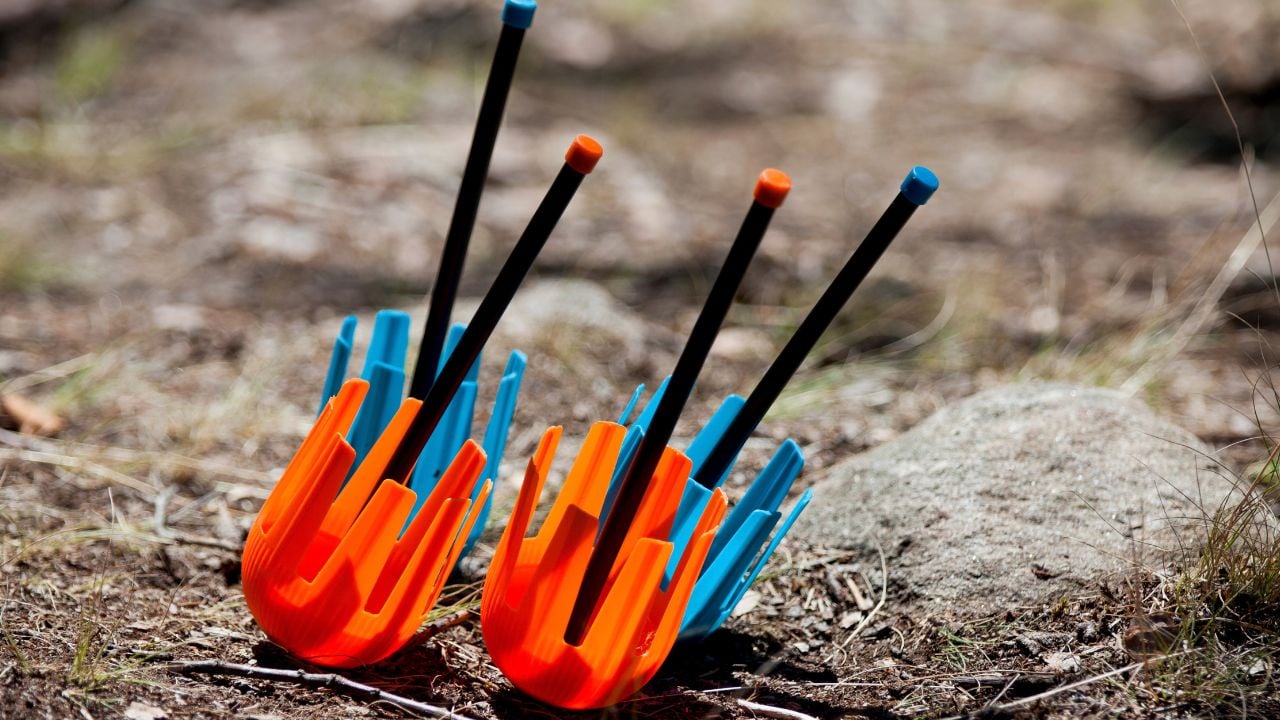
4. Playing Lawn Darts in the Backyard
A 1950s Pennsylvania backyard cookout often came with a set of lawn darts, heavy metal spikes thrown high into the air for a family game.
The Consumer Product Safety Commission banned lawn darts in 1988, after the toy was linked to deaths and hundreds of emergency room visits a year.
5. Sweetening Coffee With Cyclamates
Dieters across 1950s Pennsylvania reached for cyclamate-sweetened soda, banned today, and tabletop sweeteners years before saccharin took over the shelf.
The Food and Drug Administration (FDA) banned cyclamates in 1969 over cancer concerns raised in animal studies, and the sweetener never returned to store shelves.
Where These Rules Came From
Nearly every item on this list came from a federal agency, not a Pennsylvania lawmaker.
That’s why the same 1950s habits disappeared everywhere in the country at roughly the same time.
Pennsylvania’s rules, like the state’s indoor smoking law and its school discipline code, sit alongside those federal bans rather than replacing them.
6. Using CFC Hairspray
A 1950s Pennsylvania bathroom counter usually held an aerosol can of hairspray, powered by chlorofluorocarbon (CFC) propellant that’s banned today.
The federal government banned CFCs in nonessential aerosol products in 1978, once scientists linked the chemical to a thinning ozone layer.
7. Rocking a Drop-Side Crib
The crib in a 1950s Pennsylvania nursery almost always had a side rail that slid up and down for easy access to the baby, a design since banned.
The Consumer Product Safety Commission banned the manufacture and sale of drop-side cribs in 2011, after the moving rail was tied to dozens of infant deaths.
8. Dressing Kids in Untreated Flannel Pajamas
Kids across 1950s Pennsylvania slept in flannel pajamas that could catch fire in seconds near a space heater or a stray spark.
A federal flammability standard adopted in 1971 forced children’s sleepwear to resist catching fire, ending the sale of the old flannel styles.
9. Bringing Home a Dime-Store Turtle
The five-and-dime store in a 1950s Pennsylvania downtown sold tiny pet turtles by the bowlful for a few cents each, a sale now banned.
The FDA banned the sale of turtles under four inches long in 1975, after the pets were tied to widespread salmonella infections in small children.
10. Eating Red Dye No. 2
Red velvet cake, maraschino cherries, and other bright red 1950s treats in Pennsylvania kitchens got their color from a dye called amaranth, better known as Red Dye No. 2.
The FDA banned Red Dye No. 2 in 1976 after studies raised cancer questions, and food companies scrambled to reformulate overnight.
Quiz
How Well Do You Know These 1950s Bans?
Psst! Think you know why regulators outlawed these once-normal 1950s habits? Take our quiz and find out.
What year did the EPA ban DDT for nearly all uses in the United States?
11. Treating the Foundation With Chlordane
A Pennsylvania exterminator in the 1950s reached for chlordane, a normal choice then, to keep termites out of the foundation, applying it directly to the soil around the house.
The EPA ended chlordane registrations in 1988, closing out one of the most widely used termite pesticides of the era.
12. Warming a BPA Baby Bottle
The baby bottles lining a 1950s Pennsylvania kitchen were hard, clear plastic made with a chemical called bisphenol A (BPA), since banned from baby bottles.
The FDA banned BPA from baby bottles and sippy cups in 2012, responding to concerns about the chemical's effect on infant development.
13. Smoking at the Diner Counter
Lighting a cigarette at a Pennsylvania diner counter or an office desk in the 1950s raised no eyebrows at all.
Pennsylvania's Clean Indoor Air Act banned smoking inside most restaurants and workplaces statewide starting in September 2008.
14. Paddling as Discipline
A Pennsylvania student sent to the principal's office in the 1950s might leave with a paddling, a normal part of school discipline at the time.
Pennsylvania regulation 22 Pa. Code Section 12.5 now bans corporal punishment in the state's public schools outright.
15. Riding a Bike Without a Helmet
A Pennsylvania kid in the 1950s pedaled to school, the pool, and the corner store bare-headed, and no law said otherwise.
Under Pennsylvania Title 75 Section 3510, riders and passengers under 12 must now wear a helmet every time they get on a bike.
8 Things a Pennsylvania Diner Will Do That a Chain Restaurant Won't

A Pennsylvania diner still runs on habits a chain restaurant gave up years ago, from how servers pour the coffee to who they call by name at the counter.
Those small differences are exactly what keep regulars coming back decade after decade.
8 Things a Pennsylvania Diner Will Do That a Chain Restaurant Won't
8 Things That Change at a Pennsylvania Farmers Market Once the Summer Crops End
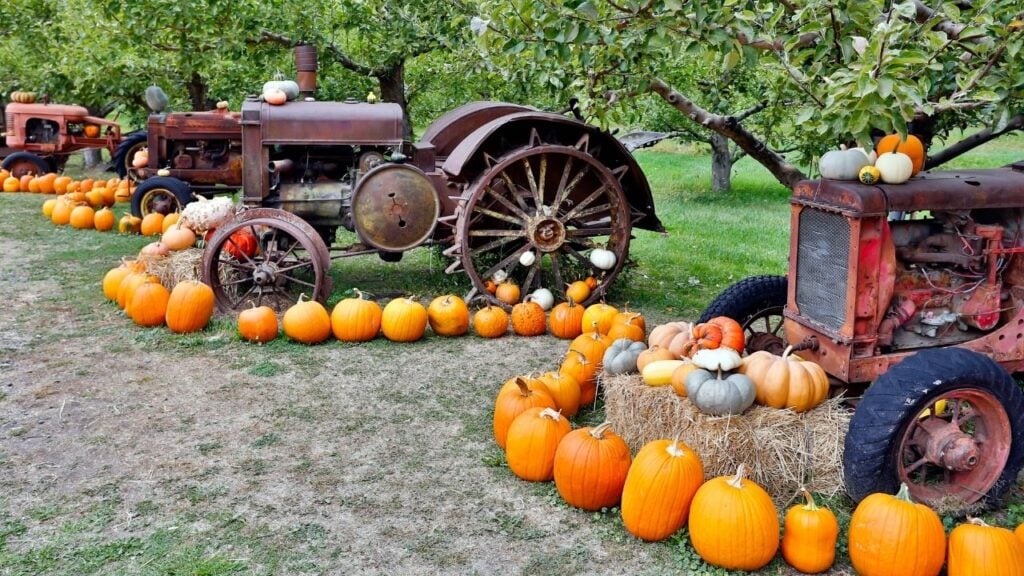
The stalls at a Pennsylvania farmers market shift fast once the tomatoes and sweet corn disappear from the tables.
What replaces them says a lot about how the state eats once summer ends.
8 Things That Change at a Pennsylvania Farmers Market Once the Summer Crops End
