

7 Things That Change on a South Carolina Property Tax Bill the Year a Homeowner Turns 65

South Carolina keeps getting older.
The state’s 65-and-up population just crossed 21.1% of all residents, according to the Census Bureau’s latest count.
Turning 65 unlocks familiar milestones like Medicare enrollment. It also flips a switch on something many new retirees never see coming: Their property tax bill.
These are the things that change on a South Carolina property tax bill the year a homeowner turns 65.
Note: This is general information, not legal or tax advice. Exemption amounts and filing deadlines are subject to change, so confirm the current details with your county auditor’s office.
1. First $50,000 of Value Disappears
South Carolina’s Homestead Exemption erases property tax on the first $50,000 of a home’s market value.
On a $250,000 house, the county bills as if it were worth $200,000 instead.
That’s a meaningful cut.
The break comes from Section 12-37-250 of the South Carolina Code.
Turning 65 is only one door to it.
A homeowner who is totally and permanently disabled, or legally blind, qualifies for the identical $50,000 exemption at any age.
Two Different Breaks, Not One
The Homestead Exemption isn’t the same thing as South Carolina’s 4% Legal Residence ratio, the discount many owner-occupied homes already carry no matter the owner’s age.
The two stack. That 4% ratio cuts how much of the home’s value the county taxes in the first place.
The $50,000 exemption then wipes out tax on part of whatever value is left.
2. It Hits Every Tax Line
The exemption doesn’t just trim the county’s share of the bill.
State law wipes out that same $50,000 in value from county, municipal, and school taxes together, plus special assessments, all on one bill.
Every line drops.
A homeowner living inside city limits sees the break applied to the city’s rate and the school district’s rate.
Both shrink at the same moment as the county’s rate, not one at a time.
3. You Have to Apply First
A homeowner’s property tax bill doesn’t shrink on its own.
Filing means visiting the County Auditor’s office, the office South Carolina puts in charge of the exemption, not the assessor.
No form, no discount.
First-time applicants bring proof of age, a birth certificate or a Medicare card, along with a South Carolina driver’s license.
They also bring proof they own and live in the home as their primary residence, not a rental or a second house.
A family member or an authorized agent can file the paperwork on the homeowner’s behalf, so a homebound applicant doesn’t have to make the trip in person.
4. Deadline Falls Inside That Same Year
South Carolina law sets the filing window inside the very year a homeowner turns 65, not the year after.
The application has to be in before July 16 of that tax year for the reduced bill to apply right on schedule.
Same year counts.
A homeowner turning 65 in March of a given year files that same spring, not sometime the following year.
5. Turning 65 in December Still Counts
The state’s property tax age cutoff doesn’t care which month a birthday lands in.
Reach age 65 anytime on or before December 31 of the tax year, and the exemption applies to that entire year’s bill.
Not a prorated slice of it.
Even in December.
A homeowner who turns 65 on December 30 qualifies for that year exactly the same as a neighbor who turned 65 back in January.
Psst! How much do you know about South Carolina retiree taxes beyond the property tax bill? Take our quiz and see how many you can get right.
Quiz
South Carolina Retiree Tax Trivia
Think you know every tax break in the state? Let’s see.
Does South Carolina tax your Social Security checks?
6. Late Filing Can Still Save the Year
Missing South Carolina's July 15 deadline isn't automatically a lost year for a homeowner's exemption.
State law lets the county still reduce that year's bill for an application filed after July 15 but before the first penalty date on that year's property taxes.
Late still counts.
If a homeowner misses that later window too, the reduction simply starts with the following tax year instead of the current one.
7. After That, You're Done Filing
Once the county approves the exemption, the property tax bill doesn't come with new paperwork next January.
A homeowner doesn't have to refile every year just to keep that $50,000 off future bills.
Trust ownership works the same way.
Eligibility runs through the beneficiary named in the trust agreement, so a change to that agreement means filing again.
It just stays.
The main triggers for a fresh application are moving to a different home, a change in who owns the property, or the death of the qualifying spouse. Any one of those restarts the process from scratch.
3 Tax Breaks South Carolinians Over 65 Don't Claim on Their First Retirement Return
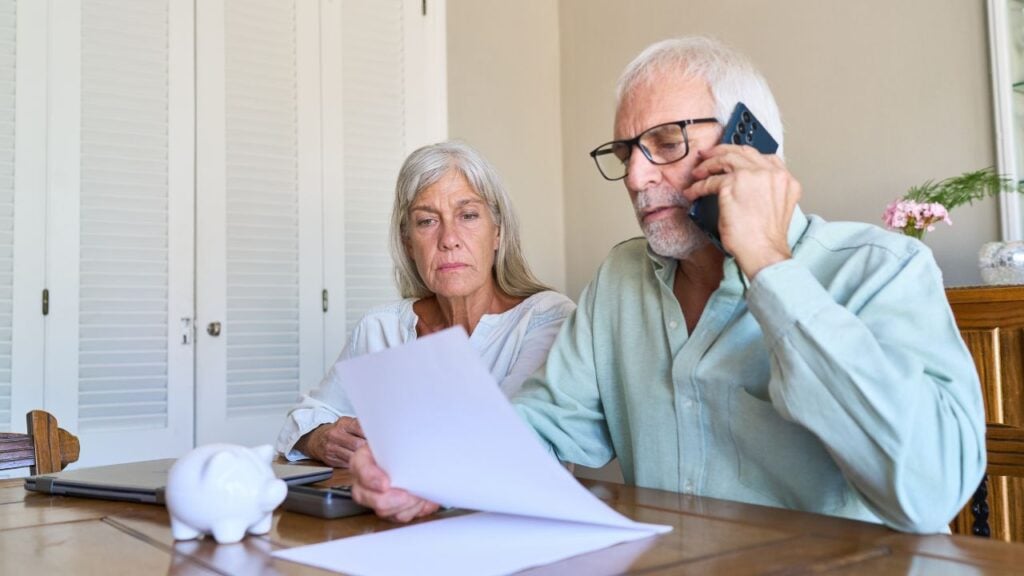
South Carolina's $50,000 homestead break never shows up on the state income tax return.
A separate set of tax breaks lives there instead, and first-time retirees often miss all three the year they file that return.
3 Tax Breaks South Carolinians Over 65 Don't Claim on Their First Retirement Return
4 Homestead Exemption Steps South Carolina Widows and Widowers Miss

The same $50,000 homestead break can outlive the spouse who first filed for it.
Whether the survivor keeps it comes down to a short list of steps the county never explains, and skipping one can knock the exemption off next year's bill.
4 Homestead Exemption Steps South Carolina Widows and Widowers Miss
