
5 Signs Wisconsin Lake Season Is Officially Over for the Year

Wisconsin’s lakes don’t send a notice when summer ends.
But the signs show up, if you know where to look.
These are the signs Wisconsin’s lake season is officially over for the year.
1. First Frost in the North
Frost reaches the state’s northern half before many boaters admit the season is done.
Average first frost lands by late September across the northern half of the state, according to a meteorologist at WSAW-TV (WSAW), the Wausau television station, tracking this year’s pattern.
The north goes first.
Southern counties like Milwaukee, Kenosha, and Racine hold out longer, with an average first frost closer to late October, based on decades of federal climate data.
A hard freeze can settle in overnight once temperatures fall that far.
Gardeners pull their last tomatoes before it hits and toss the rest into the compost pile.
Casual swimmers and boaters leave the water around the same time, weeks before many people admit the season’s done.
2. Trout Stream Closing Day
The state closes its trout streams for the season on a set date, and this one carries no grace period.
The Oct. 15 closing date covers streams, spring ponds, and spring holes under the Department of Natural Resources’ general inland trout regulations.
Lake Superior tributaries and a handful of special-regulation waters run on their own separate schedules instead.
Lakes and ponds stocked with trout stay open longer under a separate set of rules, so this cutoff hits moving water only.
Anglers who spent the summer working one favorite stretch lose that stretch the same week frost reaches the northern half of the state.
The regulars don’t come back.
The current keeps moving without them anyway.
Nobody’s allowed to fish it again until spring.
3. Lake Water’s Fall Turnover
Lakes hit a turning point long before any ice shows up.
Once the surface cools to around 39 degrees Fahrenheit, the water reaches its densest point.
A single windy afternoon can then mix the whole lake from top to bottom.
That process is called fall turnover.
It ends the layered water that made for stable summer fishing and easy swimming.
The mixing also stirs up sediment, leaving many lakes murky for a stretch each fall.
Anglers notice first.
Fish scatter once the summer layers disappear, and the patterns that worked all August stop working overnight.
The Math Behind Fall Turnover
Wisconsin lake water is heaviest and densest at about 39 degrees Fahrenheit, not at the freezing point many people guess.
A lake’s warm surface layer has to cool all the way down to that number before the whole water column matches it.
Once that happens, wind does the rest, folding the lake over on itself in hours instead of weeks.
4. Piers and Docks Coming Out
Wisconsin sets no single statewide deadline for pulling a lake pier, and pier owners still race the ice every fall.
Exempt piers typically go in each spring and come out again each fall.
The timing follows the weather and the ice, far more than any date on a calendar.
Wait too long, and ice can damage a pier or freeze it in place for the winter.
No owner wants that.
So owners pull piers early instead of gambling on one more warm week.
One by one, the docks that lined a lake all summer disappear from the shoreline.
By the second week of October, many of them are already stacked on shore for the season.
5. Marina Hard-Out Dates
Marinas set a firm season-closing date each fall instead of leaving boaters to guess.
Missing that date carries consequences.
Milwaukee County’s McKinley Marina runs its boating season from May 1 through Oct. 31, a firm window instead of a vague promise.
The marina hauls boats still sitting in a slip after that date, whether the owner is ready or not.
Other marinas run similar windows, tuned to their harbor and staff.
Once the haul-out crews start, a marina empties fast.
A parking lot full of boat trailers is about as clear a sign as any.
The Muskie Season Holdout
The Department of Natural Resources gives Wisconsin’s muskie season a longer run than every other fishery covered here.
Not musky season.
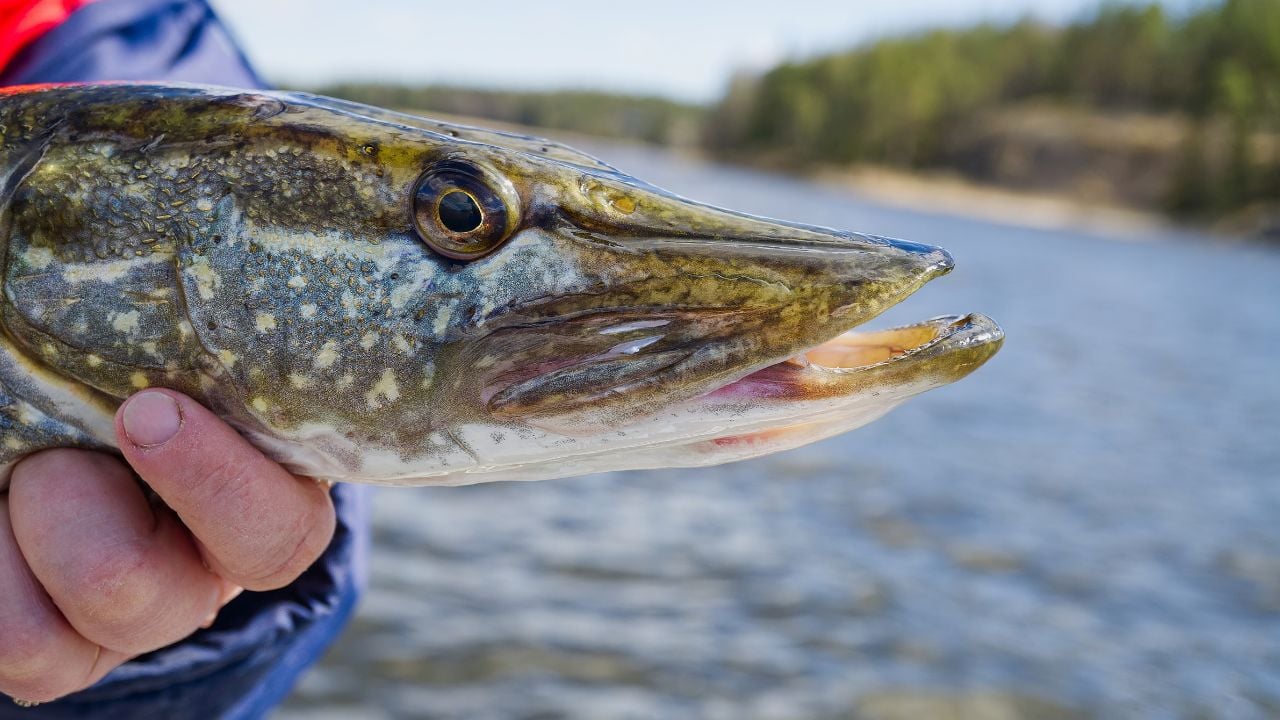
Inland waters stay open to musky anglers through Dec. 31, open water only, weeks after everything else on this list has wrapped up.
Boundary waters like the Mississippi, St. Croix, and St. Louis rivers close earlier, on Nov. 30.
Almost nobody else is still out there.
The boat traffic that packed the ramp all summer has thinned to a handful of die-hards chasing one more big fish before the season’s Dec. 31 closing day arrives.
For them, the season isn’t over yet.
Everybody else has already gone home.
Psst! How much do you know about Wisconsin’s lake rules? Flip each card and see how many you get right.
Winter Life on the Lake
The state doesn’t stop using its lakes once lake season ends.
It just changes what using them means.
Different tools, same lake.
Ice fishing begins as soon as the ice is thick enough to trust.
The state still won’t put one number on that.
Every winter, it warns that clear ice is generally stronger than ice covered in snow or full of bubbles, with no thickness that’s guaranteed safe.
On the Winnebago System, Lake Winnebago and its three connected upriver lakes, the state runs something no other lake sport can match.
A spearing season for lake sturgeon runs there, worked through a hand-cut hole in the ice with a shanty overhead.
The 2026 season opened Feb. 14 and ran for up to 16 days, closing the moment the state’s harvest caps for the year were reached.
Long after the boats are put away and the piers are stacked on shore, a handful of families are still out before sunrise on a frozen lake.
Some of them have chased that fish for decades.
8 Habits That Give Wisconsinites Away the Second They Leave the State
A move out of state rarely erases the small habits a Wisconsinite picked up back home.
New neighbors and coworkers spot them almost immediately, long before anyone asks where the accent came from.
8 Habits That Give Wisconsinites Away the Second They Leave the State
6 Kwik Trip Habits Costing Wisconsin Shoppers More Than They Notice
Kwik Trip stocks its shelves with its brand more than almost any other Wisconsin chain, which is part of why it beats many traditional grocery stores on price.
Shoppers who run on autopilot still leave money behind under its rewards program.
6 Kwik Trip Habits Costing Wisconsin Shoppers More Than They Notice
