
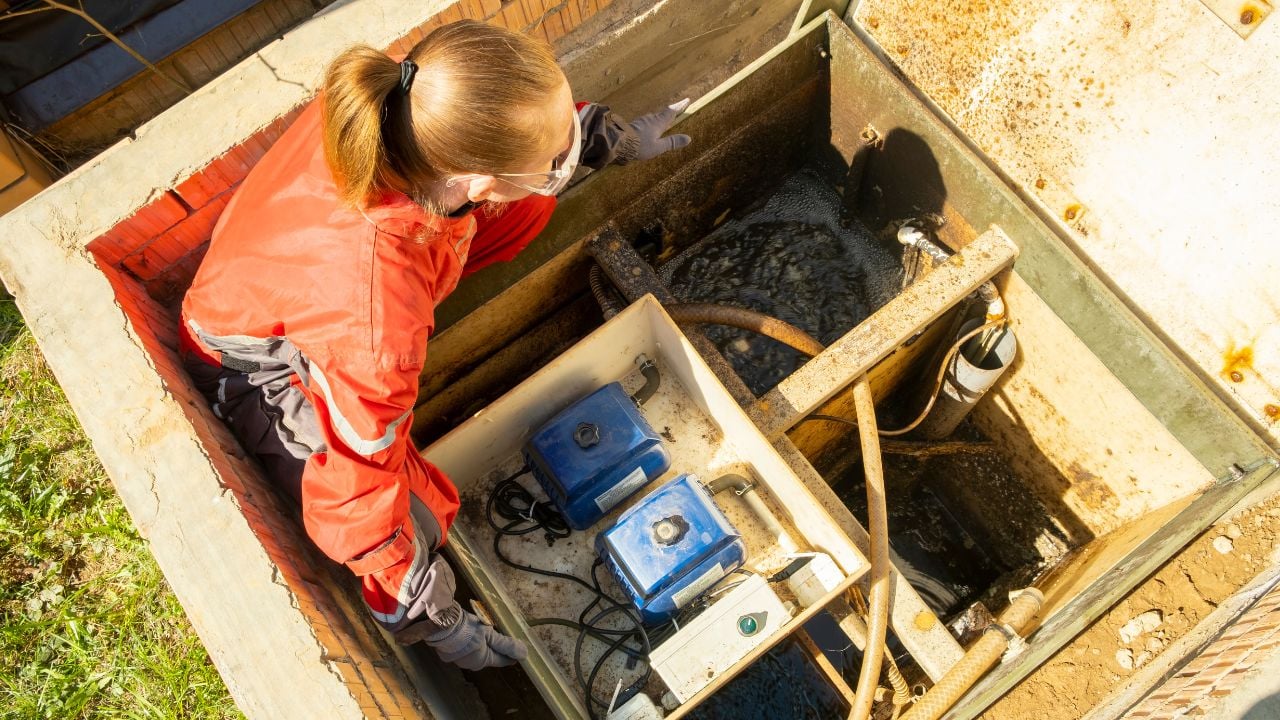
8 Well and Septic Inspection Surprises Missouri Buyers Run Into

A house with a well and a septic system can look like any other at a showing.
Many buyers in Missouri learn the rules only once the inspections begin.
These are the well and septic inspection surprises buyers run into.
Note: This is general information, not legal advice. Well and septic permit, inspection and testing rules vary by county and by loan program, and are subject to change, so confirm the current requirements with your county health department.
1. No Statewide Inspection Law
Missouri never requires a well or septic inspection before a home changes hands.
Does a lender or a home inspector automatically check it, the way they’d check a furnace or a roof?
It doesn’t.
The Missouri Department of Health and Senior Services says state law doesn’t require either inspection during a real estate sale.
Some counties fill that gap anyway.
Stone County has required a Property Transfer Certificate since 2011 for any septic system older than 10 years, done by a certified inspector within 90 days of the sale.
Cross into the next county, and that whole requirement disappears.
2. The Loan, Not the State
A Missouri well doesn’t get a water test because state law says so.
It gets a water test because the mortgage says so.
Loans backed by the Federal Housing Administration (FHA), the Department of Veterans Affairs (VA), or the Department of Agriculture (USDA) come with a water test requirement.
The well water has to test clean for coliform bacteria, nitrates, and lead before closing.
A conventional loan usually skips that test, unless the appraiser flags a problem on the walkthrough.
So two buyers can stand at the same well, with two different sets of paperwork ahead of them.
Same water.
Different rules.
3. The 52% Bacteria Rate
A well inspection turns into a lab test the moment the water sample leaves the property.
University of Missouri Extension, citing data from the Centers for Disease Control and Prevention (CDC), found that 52% of tested private wells statewide came back positive for elevated bacteria.
More than half.
That matters because a buyer’s test result can land on either side of that number.
Missouri has close to 3 million residents on that same groundwater, and none of it passes through a city treatment plant first.
A clean-looking glass of water tells a buyer nothing about what’s in it.
4. The Tank-Bedroom Mismatch
A septic tank has to match the house sitting on top of it.
State construction rules size a tank by bedroom count, starting at 1,000 gallons for up to three bedrooms, 1,250 gallons for four, and 1,500 gallons for five.
Add a fourth bedroom during a remodel, and the old three-bedroom tank keeps running past its legal limit because nobody ever swapped it out.
An inspector checking permit records against the current bedroom count catches that mismatch fast, and it becomes the buyer’s problem the moment it’s written up.
5. The Well-to-Septic Gap
State rules draw a hard line between a private well and a septic system, and many older properties sit on the wrong side of it.
A private well has to sit at least 100 feet from the septic disposal field.
The tank itself has to stay 350 feet away.
A lot platted decades before that rule existed often can’t fit both the well and the drain field where the rule requires them.
That takes a variance.
The Rest of Missouri’s Setback Math
The 100-foot and 350-foot well distances aren’t the only numbers Missouri’s septic rules pin down.
A septic tank also has to sit at least 10 feet from the property line.
It needs 5 feet of clearance from the house’s foundation.
Any stream or open ditch needs 25 feet of separation from that same tank.
A public water supply well needs even more room than a private well, at least 300 feet from the disposal field.
6. Missing Pump-Out Records
The Environmental Protection Agency (EPA) recommends pumping every Missouri septic tank every 3-5 years.
Ask many sellers for the receipts, and the answer is a shrug.
No invoices.
No service stickers on the lid.
An inspector treats that blank history as a red flag on its own.
There’s no way to know whether the tank was pumped last year or never at all.
The system might work fine.
Nobody can prove it does.
Psst! How much do you know about wells and septic systems? Take our quiz and see how many you can get right.
Quiz
Well & Septic IQ
Think you know wells and septic tanks? Many homeowners don’t.
About what share of the U.S. population relies on a private well for drinking water?
7. A Shared Well Without Paperwork
Some wells serve more than one house at a time.
Many rural properties split a single well between two or three homes on nothing more formal than a longstanding neighborly understanding.
That understanding has no name on it.
FHA (Federal Housing Administration), VA (Department of Veterans Affairs), and USDA (Department of Agriculture) loan programs require a recorded agreement for a shared well.
That agreement has to spell out who maintains the well and who pays when it breaks.
A handshake doesn't count.
Not to a lender.
Buyers often learn their well is shared for the first time from the inspector's report, not from the seller.
8. Cracks at the Wellhead
The wellhead is where a well inspection begins, long before a lab tests any water sample.
Inspectors walk straight up to the wellhead itself first.
They look for a cracked casing, a cap sitting below the one foot of clearance state law requires, or a loose cap that no longer seals tight.
Any one of those is a straight line for surface contamination into the water below.
A clean bacteria test from six months ago doesn't cover it.
Ground shifts.
Concrete cracks, and a well built to code a decade ago can still fail today's visual check on nothing but weather and time.
The report lands on the buyer's desk either way, well before closing day.
A cracked casing or a low cap becomes a repair line in the negotiation, not a footnote nobody reads.
8 Things a Missouri HOA May Have More Power to Control Than Owners Realize

Missouri lawmakers tried twice to pass a statewide Homeowners' Association Act, in 2024 and again in 2025, and both bills died in committee.
Nothing replaced them, so what a homeowners' association (HOA) can control in Missouri still comes down to the document a homeowner signed at closing.
8 Things a Missouri HOA May Have More Power to Control Than Owners Realize
5 Things Clarksville, Missouri Does Every Flood Season That Surprise Tourists
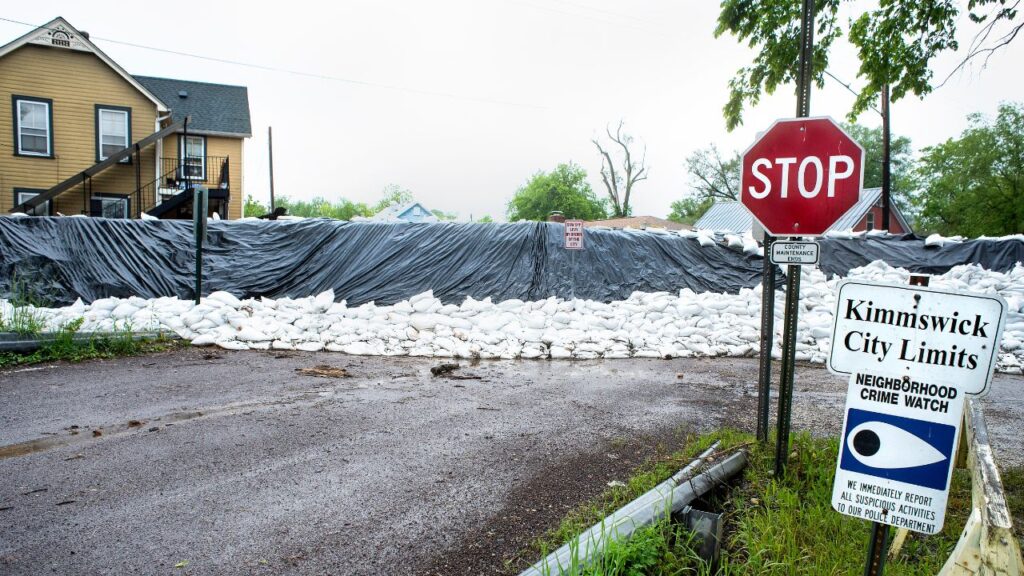
Clarksville spent 187 days underwater during the Great Flood of 1993, according to National Weather Service records, more than six months in a town of about 400 people.
The town still runs on flood-season habits that catch many tourists off guard.
5 Things Clarksville, Missouri Does Every Flood Season That Surprise Tourists
