
7 Things Coloradans Do When the Season’s First Big Snowstorm Hits

Colorado’s first big snowstorm of the season doesn’t wait for anyone to be ready.
Locals have a routine for it, and it starts early.
These are the things Coloradans do when the season’s first big snowstorm hits.
Note: This is general information, not legal advice. Traction and chain law requirements are subject to change, so confirm the current rules with the Colorado Department of Transportation (CDOT).
1. Checking Tread Before CDOT Does
Tire tread is the first thing worth checking when the season’s first big snowstorm rolls through.
In November 2024, the season’s first significant snowfall hit Aurora.
Colorado Tire and Service used the moment to warn drivers that tires worn below minimum specification lose traction in the snow.
You won’t get a warning.
Bald tires just fail once the road turns to ice.
That check isn’t just habit, either.
CDOT can put the Traction Law into effect on any state highway when weather conditions warrant, and from that moment your vehicle has to meet the requirements.
What CDOT’s Traction Law Requires
CDOT runs two separate winter codes on Colorado highways, not one.
Code 15, the Traction Law, comes first.
It lets an all-wheel or four-wheel drive vehicle with mud-and-snow, winter, or all-weather tires keep you legal.
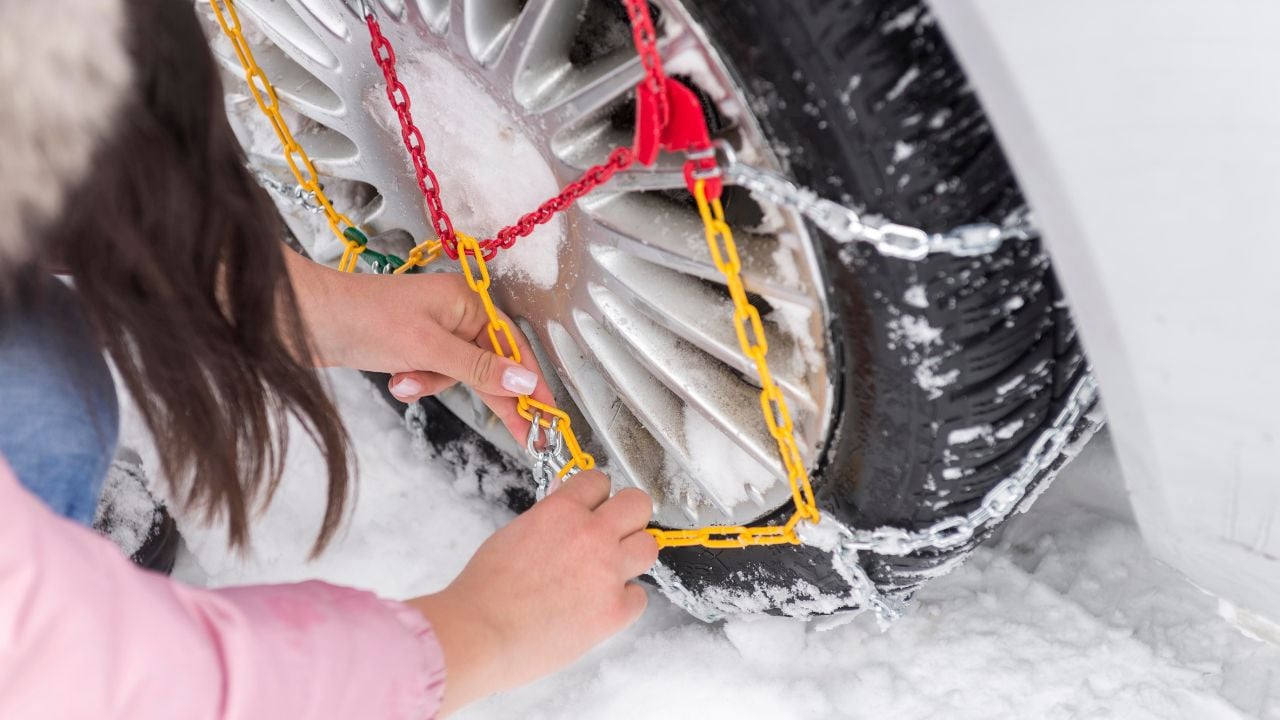
Those tires need at least 3/16 inch of tread, and chains or an approved traction device cover any vehicle.
Code 16, the Chain Law, is the stricter step, activated during severe storms.
Every vehicle needs chains or an approved alternative traction device then, and AutoSock is one of the devices CDOT lists.
A standard violation runs $100 plus a $33 surcharge, and that can jump to $500 plus a $157 surcharge if failing to comply closes a travel lane.
2. Trail Ridge Road’s Early Goodbye
Trail Ridge Road, often called the highest paved road in the country, closes for the season once winter storms settle in.
Once a big storm shows up in the forecast, the road becomes a race against the clock for anyone who wants one more drive across the top.
The National Park Service closed it for the 2016 season on November 18.
The park’s superintendent tied the call directly to that one stretch of snow, wind, and freezing temperatures.
Above 10,000 feet, the Park Service says snow removal becomes impractical once sustained freezing conditions and wind set in.
Eleven miles of the road sit above 11,500 feet.
The road has few guardrails and no shoulder in many stretches.
On average, the road closes for the season around October 23, only four days after Denver’s average first measurable snowfall on October 19.
That’s exactly why locals who want one more drive across the top don’t wait for a calmer weekend.
If you want to see the Continental Divide before winter shuts the gate, the season’s first big storm is usually your last warning.
3. Relearning Winter Driving the Hard Way
Drivers who haven’t touched an icy road since spring can get caught out once the season’s first big snowstorm arrives.
You feel the difference the moment your tires stop gripping the way they did all fall.
In November 2022, the season’s first snowfall turned Denver’s West 6th Avenue into a pileup of at least 100 cars during the Friday morning commute.
CDOT also reported several crashes along I-25 and I-70.
Muscle memory can fade over a long summer.
Nobody is ready.
You can drive defensively all November, but the first test still catches someone off guard when black ice sits under a fresh layer of white.
4. Racing up the Mountain for First Chair
Colorado’s early-season ski openings turn into a competition.
First tracks win.
In 2025, Arapahoe Basin, Keystone, and Loveland were all hoping to be the first ski area open in Colorado.
It comes down to which resort gets cold enough to keep its snowmaking running.
In 2019, Arapahoe Basin opened on October 11, a day before Keystone’s announced October 12 opening.
Keystone had announced its earliest opening in over 20 years hours earlier, and A-Basin fired up its lifts that same afternoon anyway.
Bragging rights only last a season.
If you ski or ride, you already know which resort you’re refreshing for opening-day news the moment that first big storm shows up in the forecast.
5. Staying Home When CDOT Says So
Colorado’s highway agency sometimes has one blunt request when an early storm hits: Stay home if you can.
In October 2020, an early-season storm dumped enough snow that CDOT urged Denver-area drivers to avoid the evening commute.
The agency warned that the next morning’s roads would likely refreeze overnight.
Not everyone listens.
You’ve probably ignored that advice yourself once or twice.
Staying home and letting the plows catch up first is always the safer call.
6. Cheering the Unplanned Snow Day
Classrooms feel the season’s first big snowstorm too.
Aurora Public Schools and Cherry Creek Schools both shut their doors in November 2024, on Friday, November 8, during the season’s first significant snowfall.
Kids never check the calendar for that one.
Best kind of day.
You remember the feeling even now, the second the district’s name flashes on your phone before the bus would’ve even shown up.
Psst! How much do you know about Colorado winter storms? Take our quiz and see how many you can get right.
Quiz
Colorado Snow IQ
Answer these questions on Colorado’s biggest snowstorms and snow records. We bet you can’t get them all right. Prove us wrong?
Denver’s biggest snowstorm on record dumped how much snow over five days in December 1913?
7. Living on the COtrip App
COtrip.org is the first place to look when the season's first big snowstorm moves in.
That first storm is a good time to check before you go.
Loveland Pass might be running chains while Monarch Pass stays dry, and nothing about that is obvious until you check.
COtrip.org reports traffic incidents and winter road conditions, and CDOT says it alerts drivers to an active Traction Law or Chain Law through highway signage, COtrip.org, and roadway condition alerts.
Guessing wrong costs you.
You refresh it before you commit to the drive over Berthoud Pass or through the Eisenhower Tunnel.
The storm that shuts down 6th Avenue in Denver doesn't always reach the same way up in the mountains.
10 Home Features That Make Insurance More Expensive in Colorado
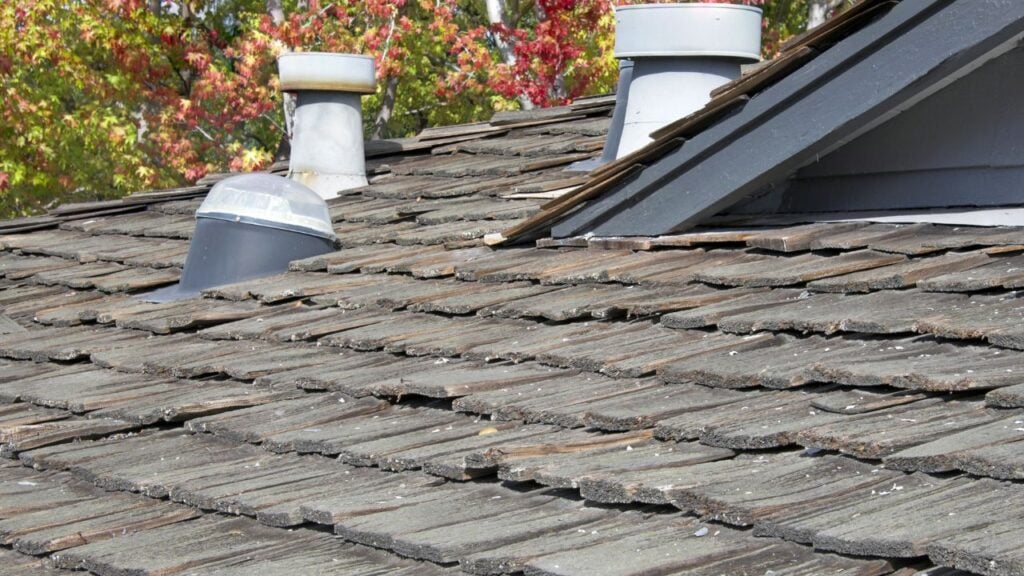
Colorado's Division of Insurance found that hail accounts for 26% to 54% of homeowners' premiums, depending on the county.
Along the Front Range and Eastern Plains, hail makes up roughly half of premiums.
10 Home Features That Make Insurance More Expensive in Colorado
