

6 Ways South Carolinians Can Tell Snowbird Season Has Started

Summer people leave. Winter people arrive. And in between, the South Carolina coast goes quiet in its own way.
South Carolinians who live there can read the signs without a calendar.
Here’s what they look for.
1. Sea Turtle Nesting Season Winds Down
South Carolina’s loggerhead sea turtle season runs from May through October.
Nesting runs mid-May to mid-August, and hatching continues from July into October, according to the South Carolina Department of Natural Resources.
As the last nests finish hatching, the stakes and tape marking them off the sand start coming down.
Walk the same stretch of beach in November, and you won’t find a single roped-off nest left standing.
Nest season, over.
2. Recreational Shrimp Baiting Season Closes
State law sets South Carolina’s individual shrimp baiting season at a fixed 60-day window that begins at noon on the last Friday on or before September 15.
In 2026, that put the opener at noon on September 11 and the close at noon on November 10.
If you’ve ever wondered why boat ramps along the coast look emptier by the second week of November, that’s why.
The cast nets and bait boxes go back in the garage right around the time the first out-of-state cars start showing up in the same driveways.
Sixty days, then done.
3. Hurricane Season Officially Ends
The Atlantic hurricane season runs from June 1 through November 30 every year, and coastal South Carolinians spend that entire stretch keeping half an eye on the tropics.
Once November 30 passes, you can finally stop checking the spaghetti models before bed.
That habit ends right as the winter arrivals settle in for a season nobody has to track on radar.
The relief is immediate and shows on every local’s face at the marina.
Relief, at last.
4. Boats Head South Along the Waterway
Every fall, a slow-moving fleet of sailboats and trawlers heads south down the Intracoastal Waterway, straight through South Carolina’s stretch of the coast.
Sail magazine has documented the seasonal traffic filling marinas here.
The list runs long.
Osprey Marina near Myrtle Beach, Minim Creek between Georgetown and Charleston, and Charleston’s harbor marinas all see it.
So do Steamboat Creek near Edisto Island and Beaufort’s downtown and Lady’s Island marinas.
Some years, boaters organize the trip into a named event, like the Snowbird Rally out of Beaufort.
You’ll spot the visiting boats by their home-port hailing flags, many of them from states that don’t see much of a winter beach.
South, always south.
Locals wave from the dock without needing an introduction. They already know who’s passing through and why.
South Carolina’s Snowbird Map Is Small
Notice how South Carolina’s snowbird markers keep pointing back to the same stretch of map: Horry, Georgetown, Charleston, and Beaufort counties.
That’s not a coincidence. Those four counties hold nearly all of South Carolina’s Atlantic coastline. With it comes nearly all the marinas, beach towns, and retirement communities built to take in a season’s worth of visitors.
5. Long-Stay Rentals Replace the Week-Long Bookings
South Carolina’s Grand Strand runs on week-long summer bookings, Saturday to Saturday.
Myrtle Beach’s tourism bureau describes a different rhythm once the season turns toward winter: Long-stay visitors book by the month, commonly for stretches running January through March.
If you manage one of these properties, you can watch the shift happen from one season to the next.
The same unit that turned over every seven days in July starts holding one name on the calendar for ten or twelve weeks straight.
One name, ten weeks.
Psst! Think you know South Carolina beyond the beach towns? Take our quiz and see how many you can get right.
Quiz
South Carolina Trivia
Think you know South Carolina beyond the beach towns? Take our quiz and see how many you can get right.
What number state was South Carolina when it ratified the U.S. Constitution?
6. Sun City Hilton Head Adds Thousands of Neighbors
Sun City Hilton Head, the Lowcountry's big age-restricted community in South Carolina, counts an estimated 14,000 residents overall, but only close to 10,000 of them live there year-round.
If you drive past the gate in July, you'll see rows of empty parking.
The gap is the tell.
Somewhere around 4,000 more names show up on the community's rolls once winter sets in.
The gate traffic, the golf carts, and the clubhouse parking lots all fill back in to match.
Right on schedule.
Longtime members say you can set a calendar by it, year after year, without fail.
None of these six markers announce themselves with a sign at the county line. They just stack up, one after another, until the beach towns feel full again.
Six small changes, one long season, and a coastline that fills back in almost exactly the same way every year.
6 Things That Change in a South Carolina Beach Town the Week Summer Ends
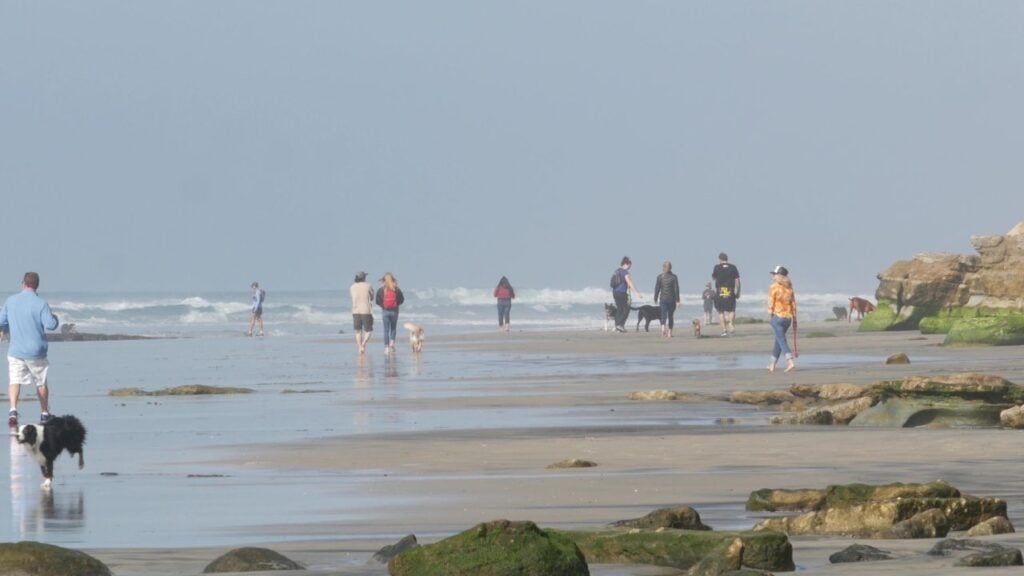
A 12-by-12 tent is legal on a South Carolina beach from the day after Labor Day until the day before Memorial Day. It's a rule tied directly to the tourist calendar.
It's one of several rules that reset the moment the tourists leave.
6 Things That Change in a South Carolina Beach Town the Week Summer Ends
9 Foods South Carolinians Call Something Different From Other Americans
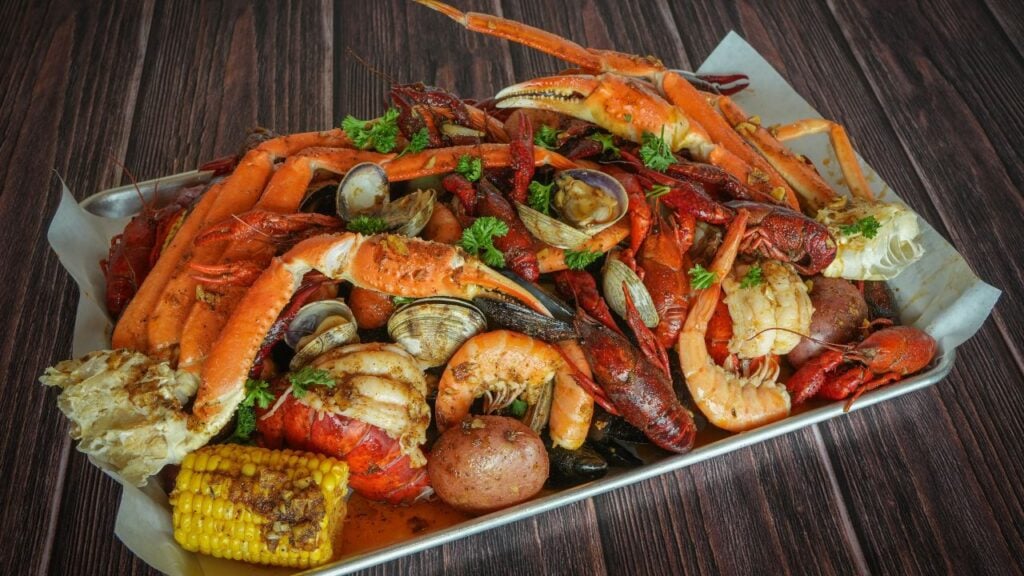
Pinder is South Carolina's word for a peanut, traced back to a Bantu root, while goober, the nickname heard elsewhere in the South, comes from a different Bantu word.
It's one of several foods that go by a different name once you cross into South Carolina.
9 Foods South Carolinians Call Something Different From Other Americans
