
8 Unpermitted Home Projects That Come Back to Cost Florida Homeowners

Skipping a home project permit can feel like a harmless shortcut.
But in Florida, it can come back to bite you.
Here are the jobs where skipping the paperwork can get pricey.
Note: This is general information, not legal advice. Permit rules, fees, and fines vary by city and county and are subject to change, so confirm the current requirements with your local building department.
1. New Windows or Doors
New windows or new doors feel like exactly the kind of small job House Bill 803 (HB 803) was built for.
HB 803 only reaches a single-family home sitting outside a mapped flood zone, and only when the job’s combined cost stays under that same $7,500 line.
That’s not what the exemption covers, though.
Florida singled out exterior window and door replacement as structural work the moment it wrote the exemption, so a swap under budget still needs the same permit a full remodel would.
There’s no exception.
Skip that permit, and the wind-mitigation inspection insurers use later often can’t credit the upgrade.
The inspector needs a product-approval or NOA (Notice of Acceptance) number for the new window or door, and a permitted job is the one that keeps that opening-protection paperwork on file.
That’s a discount you’re leaving on the table for the life of the policy, not just this year.
Ask your contractor whether they filed for the exemption or pulled a permit because the paperwork for the two looks nearly the same until something goes wrong.
What the $7,500 Exemption Covers
Florida’s $7,500 exemption only waives a permit for cosmetic work on a single-family home outside a flood hazard zone.
The number counts labor and materials together, not materials alone.
Electrical, plumbing, mechanical, gas, and anything structural, windows and doors included, are excluded no matter how small the job.
Splitting one project into smaller invoices to duck under the cap doesn’t work, either, since the law counts a whole scope of work as one job.
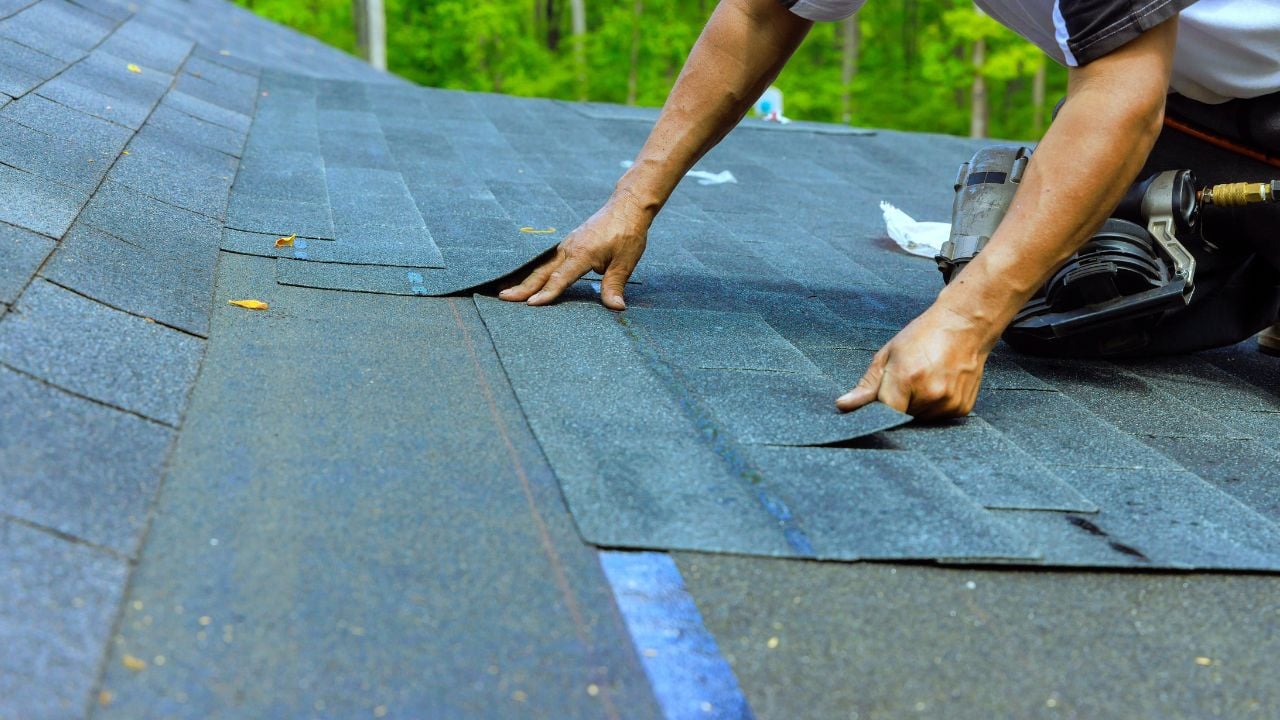
2. Reroofing the Whole House
A full reroof was never on Florida’s exemption list, no matter what the job costs.
You don’t get to decide roofing is minor enough to skip, no matter how small the patch feels.
Roofing counts as structural work, so a reroof needs a standard permit either way.
No permit means no place on that wind-mitigation form for a permit date or product-approval number, and the roof-covering credit comes back at zero.
It’s zero, not partial credit.
Anderson & Associates Insurance says carriers can go further than a lost discount: some cite an unpermitted reroof found during a routine inspection or a storm-claim investigation as grounds to decline renewal outright.
You’re the one who finds out the hard way, at renewal time, not when the crew drives off.
If your roof went on without a permit, you won’t know any of this until a claim or a renewal notice forces the question.
Pull the permit now, even after the fact, and a county inspector can at least confirm the roof meets code before the next storm tests it.
3. Upgrading the Electrical Panel
An electrical panel swap sits on the excluded list right alongside plumbing and mechanical work, so Florida’s new exemption never touches it.
The state carved electrical work out by name: Wiring, new circuits, solar systems, and meter or panel replacements all still need a standard permit.
No exemption reaches it.
Skip the permit anyway, and Florida’s code enforcement law lets a city or county fine you up to $250 a day for a first violation.
Cite the same panel twice, and that daily fine can rise to $500.
Local caps can climb well past those numbers in some parts of the state.
If you’re the one who unplugged the old panel and wired in a new one yourself, the fine lands on you, not the panel.
Your insurer can point to that same unpermitted panel during a fire-claim investigation, and Anderson & Associates Insurance names unpermitted wiring as exactly the kind of thing those investigations flag.
4. Swapping the Water Heater
A water heater swap looks like plumbing maintenance, not construction, which is exactly why it catches homeowners off guard.
Florida’s exemption draws the plumbing line at pipes, fixtures, water heaters, and drain systems by name, and none of it counts as cosmetic no matter the price tag.
Plumbing never made the list.
A permit on a water heater install puts a code inspector’s eyes on the venting, the temperature-and-pressure relief valve, and the gas or electrical hookup before the tank ever gets bolted to the wall.
Without it, you won’t find out anything went wrong until the water heater fails and floods the closet or the garage.
That failure is also the moment your insurer asks who installed the tank and whether anyone ever pulled a permit for it.
A pulled permit costs you an inspection fee.
A skipped permit can cost you the whole claim.
5. Replacing the Whole Air-Conditioning System
Replacing your whole air-conditioning (HVAC) system gets treated as mechanical work under Florida’s new law, and mechanical work is one of the categories the exemption leaves out.
That’s true even when the new system is a like-for-like replacement of the one that just died in July’s heat.
Mechanical never qualifies.
A county inspector who finds the new condenser sitting on the pad without a permit on file can issue a stop-work order on the spot, which halts the installer until the paperwork catches up.
A 4-point insurance inspection on an older home also checks your air-conditioning system.
That same $250-a-day fine under Florida’s code enforcement law reaches a skipped A/C permit too, on top of whatever the stop-work order costs you in downtime.
If you’re financing the new system through the installer, ask upfront whether the permit fee is baked into the quote because a low bid that skips it isn’t the cheaper option.
You’re the one who inherits the stop-work order, not the technician who left after the old unit was hauled away.
6. Enclosing a Lanai or Garage
Enclosing a lanai or a garage adds square footage no inspector has ever walked through, which is exactly the problem.
The work almost always touches structural framing, electrical, or both, so it was never a candidate for Florida’s exemption to begin with.
It’s expansion, not repair.
Get caught, and the fix is an after-the-fact permit that costs you double the standard fee, before an inspector even looks at the work.
That’s before anyone has confirmed the new space is even safe to use.
The real estate law firm Strang Tryson says an appraiser who can’t find a permit for that square footage simply won’t count it toward the home’s value.
Florida’s disclosure rule doesn’t help, either.
A 1985 ruling from the Florida Supreme Court requires a seller who knows about a defect materially affecting a home’s value to tell the buyer.
An unpermitted addition is exactly the kind of thing that ruling was written to catch.
If that’s your lanai, the honest move is pulling the after-the-fact permit before you list the house, not after a buyer’s inspector finds it.
7. Installing a Pool
Installing a pool without a permit skips more than paperwork, since Florida law ties a pool’s legal safety features to the same inspection a permit sets in motion.
State law gives a new pool five ways to satisfy that safety requirement: A code-compliant barrier, an approved safety cover, exit alarms on the doors, self-latching hardware, or a certified pool alarm.
You need one of those five in place before anyone can call the water safe for a neighbor’s kid.
No permit means no proof.
A pool built without one never gets that inspection, so nobody ever confirmed the fence height, the gate’s self-closing hinge, or the door alarms meet the law.
Code enforcement can cite the pool the moment anyone reports it, and Florida’s fine schedule treats a repeat citation more harshly than a first one.
That complaint can turn into a citation before you even see it coming.
If a neighbor’s child ever wandered through a gate that was never checked, you’re the one who answers for it, not the pool installer who poured the deck and left.
Pulling the permit doesn’t just save you a fine.
It puts a third set of eyes on the one feature that’s supposed to keep a bad afternoon from turning into the worst one a family ever has.
Psst! How much do you know about Florida’s building code? Take our quiz and see how many you can get right.
Quiz
Florida Building Code IQ
Answer these questions on Florida’s building code and permitting history. We bet you can’t get them all right. Prove us wrong?
What Category was Hurricane Andrew when it tore through South Florida in 1992 and pushed the state toward one unified building code?
8. Sheds Bigger Than They Look
A shed can be the most innocent-looking project on this list and still land you a code enforcement notice.
Many Florida counties exempt small detached structures from a permit, but only up to a set size, and that threshold is set locally, not statewide.
Hillsborough County draws its line at 150 square feet; cross it, or crowd the property's setback line, and the exemption disappears.
That's easy to miss.
A shed that crosses the line, or sits too close to a fence or a property line, becomes exactly the kind of thing a neighbor's complaint turns into a code enforcement case.
Florida's code enforcement law lets a city or county cite the same shed as a repeat violation if you don't fix it after the first notice.
A repeat citation carries a bigger fine than a first one ever does.
12 Things Longtime Floridians Keep Ready for a Multi-Day Power Outage
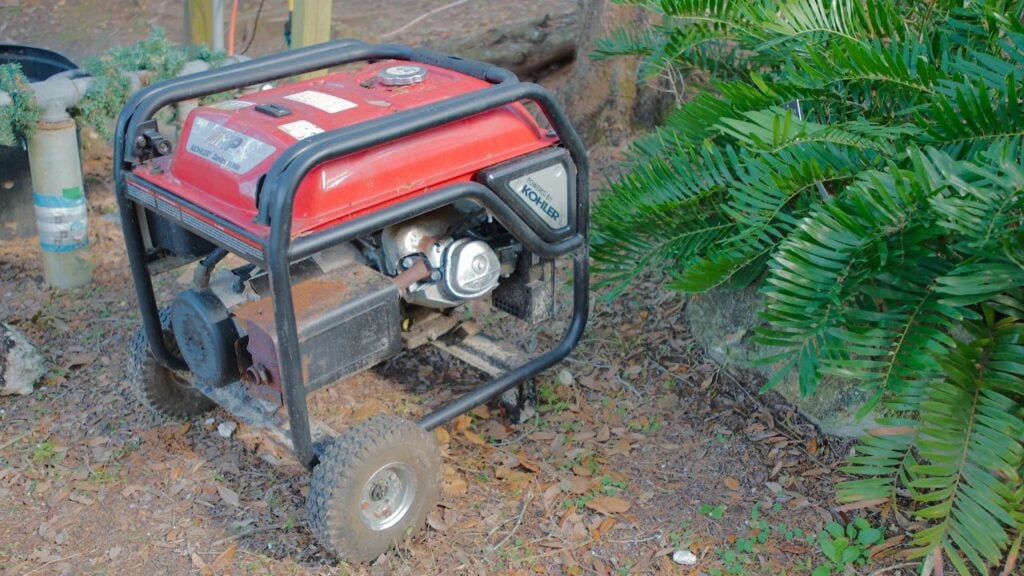
Three storms reached Category 5 strength last hurricane season without a single Florida landfall, the first year that's happened since 2015.
That's not a streak worth planning around, and it's worth knowing what to keep on hand before a storm knocks the grid out for days at a time.
12 Things Longtime Floridians Keep Ready for a Multi-Day Power Outage
6 Florida Festivals Locals Guard From Tourists Every Fall

Micanopy is home to 648 people, and for one fall weekend, hundreds of vendors and its antique shops turn the village into its busiest address of the year.
Locals have kept festivals like it off the tourist radar for years, and it's worth knowing about before the crowds find them too.
