
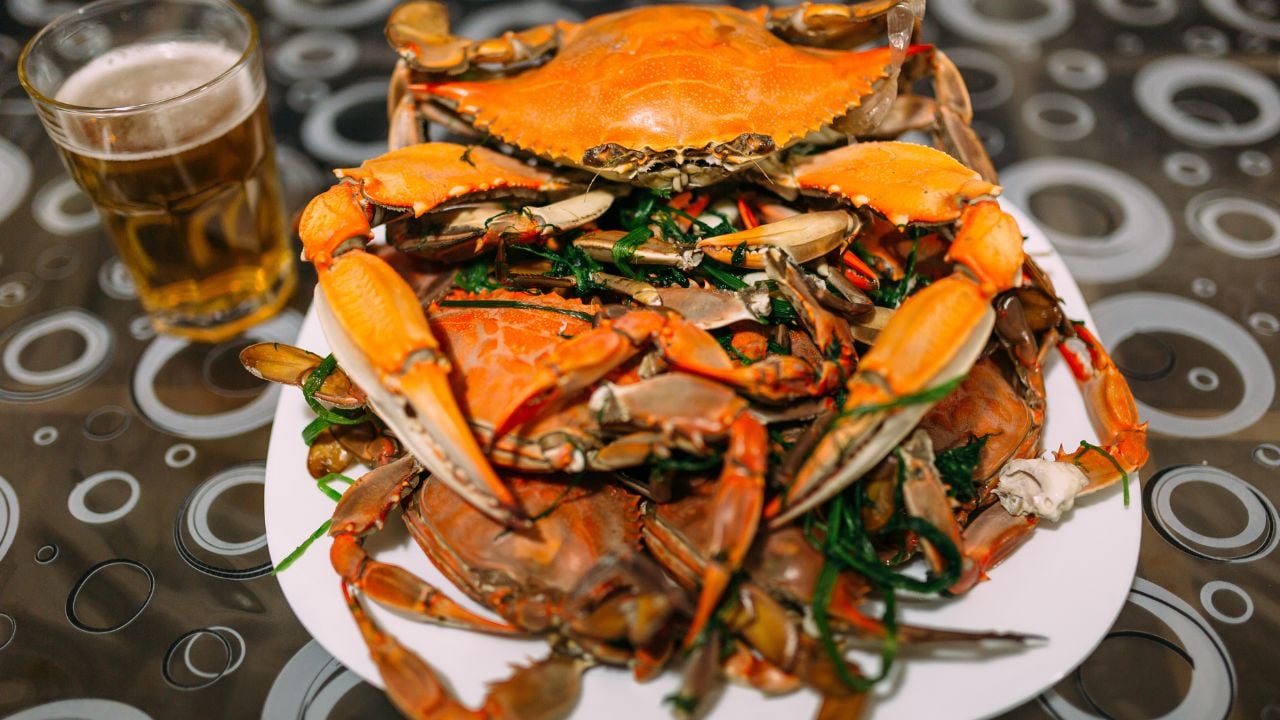
7 Maryland Blue Crab Rules That Turn a Weekend Catch Into a Fine

You spend a weekend on the water and haul in a good catch of blue crabs.
But in Maryland, a good catch isn’t always a legal one, even if you’re only crabbing for fun.
Here’s where crabbers can slip up and end up with a fine.
Note: This is general information, not legal advice. Crabbing rules and limits are subject to change.
1. Wednesday Ban
Blue crabbing in the Chesapeake Bay and its tidal tributaries closes to much of your gear every Wednesday.
Maryland regulations bar you from setting crabbing gear or catching crabs for recreation on Wednesdays.
Dip nets, handlines and crab pots on private property are exempt.
Chesapeake Bay Magazine calls the handline the simplest way to catch crabs, so you can still spend a Wednesday crabbing.
If your plan is a trotline or collapsible traps, pick another day.
When a state or federal holiday falls on a Wednesday or Thursday, crabbing is allowed that Wednesday.
This year, that includes Veterans Day, Wednesday, November 11.
Breaking a Department of Natural Resources regulation is a misdemeanor.
On a first offense, a conviction can bring a fine of up to $1,000.
The same penalty applies whatever day you crab.
How Penalties Escalate
A second violation of a Maryland crabbing rule within two years of the first can bring a fine of up to $2,000, up to one year in jail, or both.
The first violation can be any offense under Maryland’s fish and fisheries law, not just a crabbing offense.
The penalty covers department regulations, including the crabbing rules, unless the law sets a different one.
A conviction can also bar you from recreational fishing under the state’s suspension rules.
Many crabbing violations carry up to 90 days, and 11 to 15 females in a bushel can bring up to 180.
At 16 or more females or 21 or more undersized hard crabs, the limit is a year.
2. Female Crab Ban
Keeping a female blue crab can turn a good day on the water into a citation.
Female hard crabs and female peelers are off limits: You can’t catch or possess them.
The sponge crab, an egg-bearing female, has a separate rule: You can’t possess, transport or pack her.
Removing the egg pouch doesn’t make her legal.
The Department of Natural Resources says harvesting egg-bearing females is always illegal in Maryland waters.
The regulation makes an exception for a female you bought, as long as you have a bill of sale and aren’t catching or trying to catch crabs.
Once your bushel holds six or more females, a conviction can add a suspension from recreational fishing to the fine.
Check each crab.
3. Trotline Licenses
Fishing a trotline for blue crabs takes a license, and so do collapsible traps and net rings.
Without one, you’re limited to dip nets, handlines and up to two crab pots.
Those pots require you to own or lease waterfront property, and you have to register them.
Registration is free.
The license costs $5 for Maryland residents, $2 with a Chesapeake Bay sport fishing license and $10 for nonresidents.
A $15 recreational crabbing boat license covers everyone aboard while you display the decal.
If you’re licensed to crab in the Bay, the baited portion of your trotline can’t run past 1,200 feet.
If you fish a trotline with no license, you’re breaking a department regulation that carries a first-offense fine of up to $1,000.
Each license and registration is good for 365 days.
4. Minimum Crab Size
You can keep a 5-inch hard crab in June, but you have to release it in October.
From April 1 through July 14, the minimum size for a hard crab is 5 inches.
After July 14, it rises to 5¼ inches.
You measure across the shell, from the tip of one spike to the tip of the other.
Bring a ruler.
Once a bushel holds 10 undersized hard crabs, a conviction can add a suspension from recreational fishing to the fine.
From 2013 through 2018, Maryland’s Department of Natural Resources reported 2,341 crab-related violations statewide.
Possessing undersized crabs made up nearly half of them.
A department spokesperson told Capital News Service that the majority of citations are prepaid, which is an admission of guilt.
5. Boat Catch Limits
Your boat’s blue crab limit depends on how many licensed crabbers are aboard.
With no licensed crabber aboard, one person can keep 2 dozen male hard crabs, and two or more people share 4 dozen.
A licensed crabber changes the math: The boat limit becomes 1 bushel, or 6 dozen if you use a container other than a bushel basket.
Two licensed crabbers raise it to 2 bushels or 12 dozen.
Going over the daily catch limit is a misdemeanor, with a first-offense fine of up to $1,000.
The state’s suspension list includes that limit too, at up to 90 days.
The department can change these limits with 48 hours’ notice posted on its website.
Check the website first.
6. Crabbing Hours
On the main Bay, you have to stop blue crabbing at 5 p.m. in every month of the recreational season.
In tributaries, you stop at sunset.
The morning start changes with the calendar: From May through September, you can start half an hour before sunrise.
In April and from October through December 15, you have to wait until half an hour after sunrise.
Crab pots on private property, dip nets and handlines are exempt and can be used at any hour of the season.
If you crab 30 minutes or more outside legal hours, a first-offense conviction can put your recreational fishing on hold for up to 90 days, on top of the fine.
Pulling a trotline at 5:30 p.m. on the main Bay puts you 30 minutes past the cutoff.
Watch the clock.
7. Selling Your Catch
Blue crabs caught for recreation can’t be sold, and you can’t knowingly buy them either.
The rule covers offers as well, not just completed sales.
If you hold a commercial license and crab for fun, you follow the same recreational restrictions.
Selling recreationally caught crabs, or offering to, is a misdemeanor with a first-offense fine of up to $1,000.
It also sits on the state’s suspension list at up to a year.
Knowingly buying them, or trying to buy them, carries the same suspension.
Eat them instead.
Winter Dredge Survey
Juvenile crabs drove the 2026 survey, with an estimated 228 million, up 121% from the year before.
Adult females, the crabs you have to release, went the other way: They fell 25% to 81 million.
That’s above the management threshold but below the target level.
The Bay’s total came to 349 million crabs, up 46% from 238 million a year earlier.
Biologists count crabs at 1,500 sites around the Bay from December through March.
Maryland’s Department of Natural Resources and the Virginia Institute of Marine Science have run the survey together since 1990.
Winter was hard on adults, with about 20% of males and 12% of females dying, compared with averages of 9% and 7% from 1996 to 2026.
Both are well above average.
Psst! How much do you know about Chesapeake Bay blue crabs? Take our quiz and see if you can ace it.
Quiz
Blue Crab IQ
Answer nine questions on Chesapeake Bay blue crabs. We bet you can’t get them all right. Prove us wrong?
A single blue crab egg mass, called a sponge, can hold up to how many eggs?
Potomac River
If you're crabbing the Potomac, the Potomac River Fisheries Commission publishes the sport crabbing rules for the tidal river from the Woodrow Wilson Bridge to its mouth.
Different water, different rulebook.
The state rules above apply to the Bay and its tidal tributaries, so check the commission's sheet before you assume they reach the river.
The commission's 2026 sport crabbing sheet sets a $30 license fee and a hard crab season of April 1 through November 30.
That's about two weeks shorter than the Bay's season, which runs through December 15.
The river caps a licensed crabber at five dozen hard crabs a day.
It also bars crabbing between sunset and one hour before sunrise, except for dip nets and handlines fished from shore or a pier.
Soft crabs and peelers get a shorter window in the river, May 1 through October 30.
A peeler has to measure at least 3½ inches, but soft crabs have no minimum size.
9 Things That Get Worse for Marylanders the Second They Cross Into Virginia
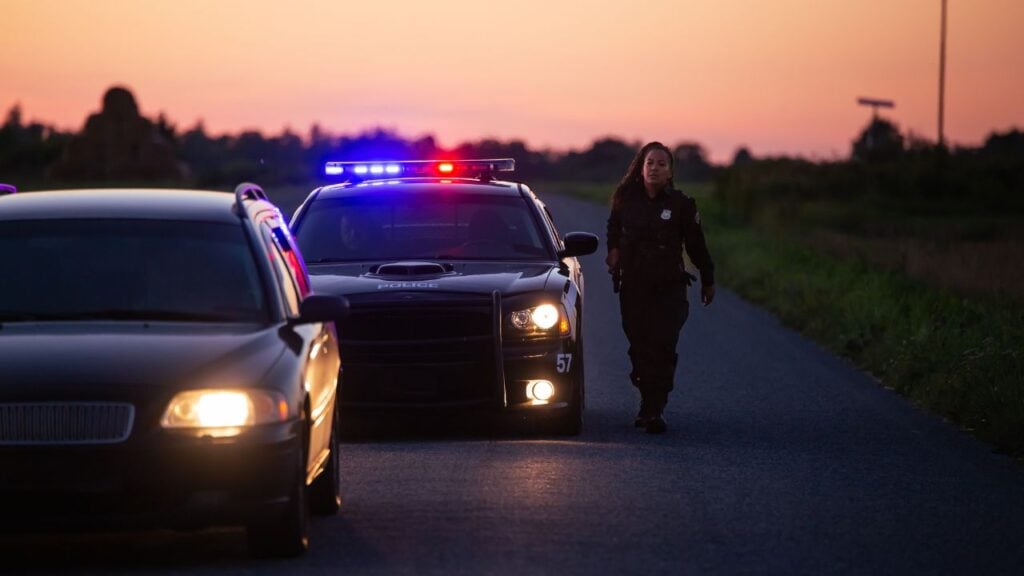
Tolls on the Governor Harry W. Nice Memorial Bridge in Charles County are collected in the southbound direction only, according to the Maryland Transportation Authority.
That toll is only one of the things that change once Marylanders reach the Virginia side.
9 Things That Get Worse for Marylanders the Second They Cross Into Virginia
7 Ground Rent Surprises That Catch Maryland Buyers Off Guard
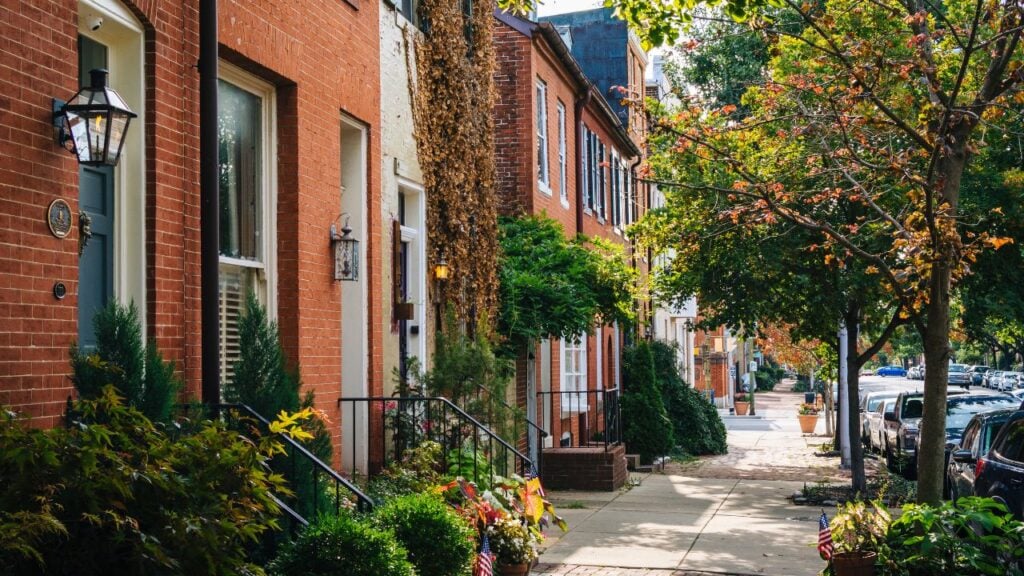
Under Maryland's ground rent law, the statutory redemption price is the annual rent times a multiplier that depends on when the lease was created, not on the home's value.
Two homeowners can each pay $100 a year and still owe very different amounts to buy it out.
7 Ground Rent Surprises That Catch Maryland Buyers Off Guard
