
8 Pennsylvania Cottage Food Rules Home Bakers Have to Follow During the Holiday Season

If friends keep telling you to sell your holiday cookies, it’s tempting to say yes.
But Pennsylvania has strict rules for home bakers, and they often catch beginners off guard.
Know these rules before you turn baking into a business.
Note: This is general information, not legal advice. Food processing rules and fees are subject to change, so confirm the current requirements with the Pennsylvania Department of Agriculture.
1. Cheesecakes and Pumpkin Pies
Pumpkin pie belongs on the Thanksgiving table, but the department lists it among the foods a limited food establishment can’t prepare.
That stings in November.
Penn State Extension says pumpkin pies, cheesecakes, tortes, creams, custards, and meringue pastries may be potentially hazardous.
In its application packet, the department uses the newer term, time/temperature control for safety (TCS) foods.
Cheesecakes, pumpkin pies, and cream, custard, and meringue pastries are among the foods that may count.
Baked goods containing meat or cheese may count too.
You can still make these items, but only in a completely separate approved kitchen.
What Makes Baked Goods Hazardous
For a limited food establishment, TCS stands for time/temperature control for safety.
The Pennsylvania Department of Agriculture generally treats a product as a TCS food when it isn’t shelf-stable at room temperature and needs refrigeration after preparation.
If you’re unsure whether your product is a TCS food, discuss it with your food inspector.
The packet’s list of traditional bakery items a limited food establishment produces includes cakes, breads, cookies, rolls, muffins, brownies, and most fruit pies and pastries.
2. Registering Before You Sell
If your materials reach the department on October 17, its rule of at least 60 days puts your limited food establishment’s earliest start at December 16.
Thanksgiving would already be over.
Registration costs $35, with a $35 renewal each year.
After the department approves your application, your food inspector schedules an opening inspection before you operate.
According to the packet, department approval doesn’t mean your business complies with local zoning or ordinances, so check with your municipality before you apply.
3. Kids in the Kitchen
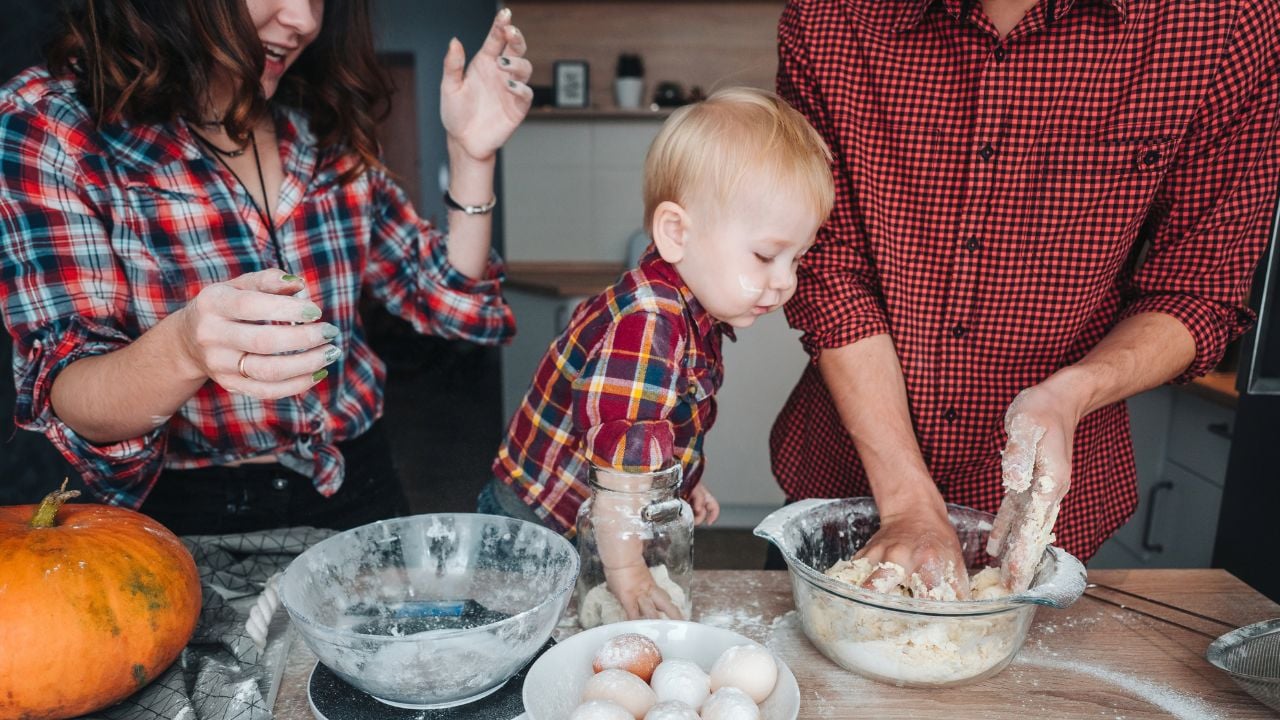
Children aren’t allowed in the kitchen area while you process food for your limited food establishment.
The packet says so, and Penn State Extension repeats the ban.
If your kids usually help with holiday cookies, they have to sit out the batches you make for customers.
Bake with them another day.
4. Pets in the Home
If your limited food establishment uses your personal home kitchen, the department doesn’t allow animals or pets in the home at any time.
Penn State Extension words the rule the same way.
The department repeats the pet rule in its Farmers Market and Farm Stand Guidelines, which say limited food establishments may not have pets present in the home.
If holiday orders come out of your personal kitchen, your pets can’t be in the home.
Psst! How much do you know about Pennsylvania baking history? Take our quiz and see if you can ace it.
Quiz
Keystone State Baking Trivia
Answer these questions on Pennsylvania’s baking traditions. We bet you can’t get them all right. Prove us wrong?
Which shape is a traditional Pennsylvania Dutch fasnacht?
5. Thanksgiving Dinner in Your Kitchen
During commercial processing at your limited food establishment, no part of your home kitchen may be used for personal food preparation, according to Penn State Extension.
Home food preparation and commercial food processing operations can't be conducted at the same time.
Read plainly, cooking Thanksgiving dinner is home food preparation, so it can't happen while a customer's cookie order is in production.
Business ingredients must also stay on separate shelves or in separate cupboards from personal ones, and be properly labeled, stored, and protected.
6. Labels on Packaged Cookies
Packaged products from your limited food establishment need labels, according to the department's application packet.
At minimum, a label lists the product name and the ingredients, from most to least by weight.
It also carries an allergen declaration if needed, your name and address, and the net weight or count.
If you sell through a retail outlet you don't own or run, a packaged bakery product has to carry all required labeling information on the package.
If you sell holiday cookie tins directly to customers yourself, labeling isn't required on the products.
Ingredient information must still be available upon request.
If you put a gluten-free claim on a label, you have to back it up through the manufacturer's labeling of sub-ingredients or through product testing.
7. Fairs and Farmers Markets
If you sell holiday cookies from your limited food establishment at a farmers market, roadside stand, or fair, the retail site may need an additional license.
The packet calls it a Retail Food License, which comes from the department or a local health jurisdiction.
The department's retail food page says its retail food program covers all food and drink vendors who serve consumers, including grocery stores, delis, and retail bakeries.
The department's page on fairs and temporary events covers licenses for an event or celebration.
It applies to a retail food facility that operates no more than 14 days at a fixed location.
Applications are due at least 60 days before you prepare or sell food.
A facility is also exempt from the license if it operates no more than three days a calendar year or offers only prepackaged, shelf-stable foods.
That exemption covers the license only, and an exempt facility is still subject to inspection and all other provisions of the law.
8. Internet Orders and Shipping Out of State
Your limited food establishment's registration includes sales direct from the production site, internet sales included, according to the department's limited food establishment page.
If your holiday orders go to customers in other states, you might also need registration with the U.S. Food and Drug Administration (FDA).
Nutrition labeling is required on food shipped or sold across state lines.
Most limited food establishments qualify for a small business exemption from it, but you have to apply with the FDA to get it.
Well Water Tests
If your limited food establishment runs on a private water supply such as a well, you have to provide a current water test, the application packet says.
The test has to come from a laboratory approved by the state Department of Environmental Protection.
The first round covers total coliform and nitrate/nitrite, one sample of each.
Coliform testing continues every year, while nitrate/nitrite retesting depends on your first results.
Local Health Departments
If you sell your home baking in Allegheny, Bucks, Chester, Delaware, Erie, Montgomery, or Philadelphia County, your retail license may come from a county health department instead of the state.
The department's retail food page says those seven counties conduct retail inspections and licensing in their jurisdictions.
The health department in Allegheny County says you may need a seasonal or temporary food permit from the county to sell at farmers markets, festivals, or other temporary events.
Registration for a limited food establishment goes to the state department.
Questions about permitting and registration go to the county's Food Safety Program at 412-578-8044.
8 Pennsylvania Food Brands That Survived a Change of Ownership
Pennsylvania food brands have changed hands over the years.
See which brands kept their names through it.
8 Pennsylvania Food Brands That Survived a Change of Ownership
8 Deer Camp Traditions Pennsylvanians Won't Reschedule for Anything

Deer camps have traditions that hunters guard closely.
See which traditions made the list.
8 Deer Camp Traditions Pennsylvanians Won't Reschedule for Anything
