
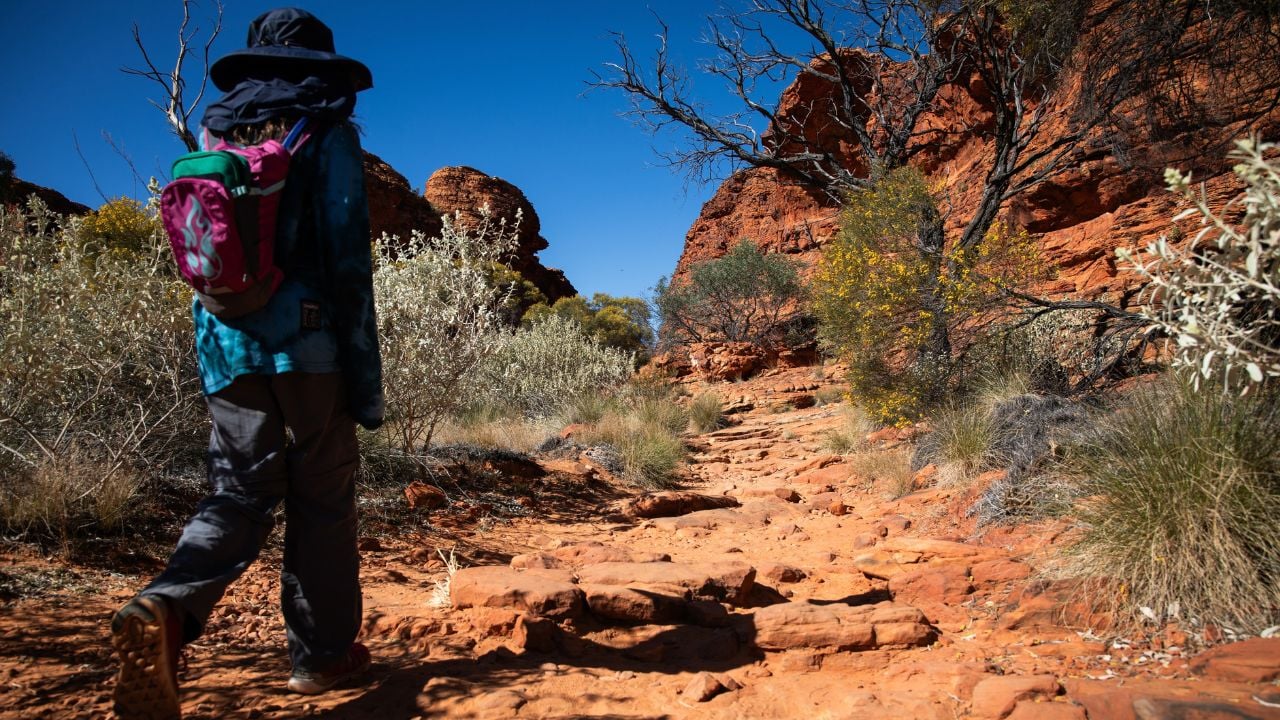
6 Desert Dangers Southern Nevada Agencies Warn Visitors About

A sunny day in the desert can make everything look calm, even when it isn’t.
Agencies in southern Nevada put out warnings for visitors, and some of the dangers they name may not be the ones you’d expect.
Here’s what to watch for before you head out.
Note: This is general information, not medical advice. Warnings and conditions are subject to change, so confirm the current details with the National Park Service, the Bureau of Land Management, or the Southern Nevada Health District.
1. Flash Floods
The Clark County Regional Flood Control District warns that desert flash flooding can hit even on sunny days.
The summer monsoon months run July through September, when you should expect sudden downpours and rapid flooding.
The National Park Service says desert thunderstorms at Lake Mead occur most often during the summer monsoons.
At Red Rock Canyon, the Bureau of Land Management says flooding occurs more quickly in the desert because of the terrain and soil types.
If you’re hiking when a rainstorm moves in, stay out of canyons and be ready to move to higher ground at any time.
Six inches of water is enough to make you lose control of your vehicle.
That’s not much water.
One foot of water can float most cars.
Don’t walk or drive through water flowing across a road at Red Rock Canyon.
At Lake Mead, the National Park Service says to avoid hiking and camping in a wash or other low-lying area, or driving across a flooded road.
The district’s advice comes down to four words: “Turn around, don’t drown.”
2. Extreme Heat
The Southern Nevada Health District linked 513 deaths in Clark County in 2024 to heat.
The toll fell to 284 in 2025, and about 21% of those deaths involved non-Clark County residents.
Visitors to Las Vegas who may be unfamiliar with the summer climate are among those at the highest risk.
Older adults, people using substances, and people experiencing homelessness sit in that group too.
The majority of the 2025 deaths happened outdoors.
August was the peak month for both deaths and emergency department visits in 2025.
The National Park Service stresses that hiking at Lake Mead from late spring to early fall can be dangerous because of extreme heat.
By October the peak has passed, but the district’s monthly heat reports still run from April through October.
Pack the water anyway.
For strenuous recreation at Red Rock Canyon, the Bureau of Land Management says to bring and drink at least one gallon, or four liters, of water a day.
The National Park Service asks you to carry at least 1 gallon of drinking water per person, per day at Lake Mead.
Southern Nevada Health District’s Heat Warning Signs
The Southern Nevada Health District says signs of heat exhaustion include heavy sweating, pale skin, muscle cramps, tiredness and weakness, dizziness, headache and nausea.
A body temperature over 103°F, red and hot skin without sweat, a fast pulse, confusion and unconsciousness are warning signs of heat stroke.
At Red Rock Canyon, the Bureau of Land Management says that if you feel dizzy or nauseated, you should get out of the sun immediately and drink water.
3. Rattlesnakes
Four species of rattlesnakes live within Lake Mead National Recreation Area, and the National Park Service says to consider all of them dangerously venomous.
Even a newborn rattlesnake can deliver a potentially dangerous bite, and any bite requires immediate medical attention.
Small is no comfort.
For a close encounter, keep a safe distance and do not attempt to handle the snake.
Wear sturdy boots, and watch where you step or place your hands.
Rattlesnakes, scorpions and the Gila monster will leave you alone unless disturbed or cornered.
The Nevada Department of Wildlife, which covers the whole state, says rattlesnakes are most active from March to October.
That puts a mid-October hike inside their season.
A rattlesnake’s first instinct is to flee rather than bite.
Trying to needlessly harm, kill or move a rattlesnake only puts you at risk, according to the department.
Psst! How much do you know about desert parks? Take our quiz and see if you can ace it.
Quiz
Desert Pop Quiz
Answer these questions on desert parks and landscapes. We bet you can’t get them all right. Prove us wrong?
Great Basin National Park holds which surprising feature?
4. Wild Burros
Wild burros at Red Rock Canyon injure people who try to feed or pet them, according to the Bureau of Land Management.
Observe burros from a distance, and don't stand close to them or get on their backs.
Feeding burros causes them to lose their natural fear of roads and cars.
Burros and people both die in burro-and-car collisions every year.
If you see animals on or near the road, drive carefully and stay cautious.
If you want a look, pick a safe place to stop and pull all the way off the roadway.
Your car is the safest place to watch them.
Burros aren't the only hazard.
Never approach any wild animals, since even burros, mule deer and bighorn sheep can cause serious injury.
5. Abandoned Mines
As of 2020, the National Park Service had documented at least 958 abandoned mine features inside Lake Mead National Recreation Area.
The park service considers at least 175 of them, and as many as 316, to have hazards in need of mitigation.
That's a long to-do list.
Signs are posted near known mines to warn you to keep out.
The park service says abandoned mines and tunnels, with their deep shafts and old, rotten supporting timbers, shouldn't be entered.
Mines may be unstable, with hidden shafts and pockets of bad air and poisonous gas.
6. Getting Stranded Without Water or Signal
Getting stranded at Lake Mead comes with a plain instruction from the National Park Service: If your car breaks down, stay with it until help comes.
Carry extra drinking water in your car in case of an emergency.
The Bureau of Land Management warns that there's no potable water on the Scenic Drive.
Only the water at the visitor center and the campground is safe to drink.
Bring water and top off before you leave the visitor center.
Calling for help is a gamble at Red Rock Canyon, where mobile phone coverage is unreliable.
If you do have coverage, dial 911.
If you don't, ask other visitors to notify employees at the visitor center that you need assistance.
Visitors become your network.
When Red Rock Rescues Happen
Rescue calls at Red Rock Canyon tend to peak in spring and fall, a Las Vegas Metropolitan Police Department search and rescue lieutenant told the Las Vegas Review-Journal.
The weather is ideal then, with temperatures from 60 to 80 degrees.
If you visit Red Rock Canyon in spring or fall, you're showing up during that peak.
The department's Search and Rescue Unit provided services to 181 people at Red Rock Canyon between 2021 and 2023, according to department data.
More than 30% of the rescues happened in three areas, Juniper Canyon, Kraft Mountain and Black Velvet Canyon, which are known for advanced rock climbing routes.
Then the rain comes.
The Bureau of Land Management warns that sandstone becomes brittle when wet, so climbing on it may put your life at risk.
Wait at least 24 or 48 hours after the rain before climbing, depending on how heavy the rain was.
8 Things Nevada Does Better That Arizonans Won't Admit
Compare what Arizona takes out of a paycheck with what Nevada takes, and many people are surprised by the gap.
Payroll is only one of many items on that list.
8 Things Nevada Does Better That Arizonans Won't Admit
6 Nevada Towns Nevadans Are Surprised Anyone Still Lives In
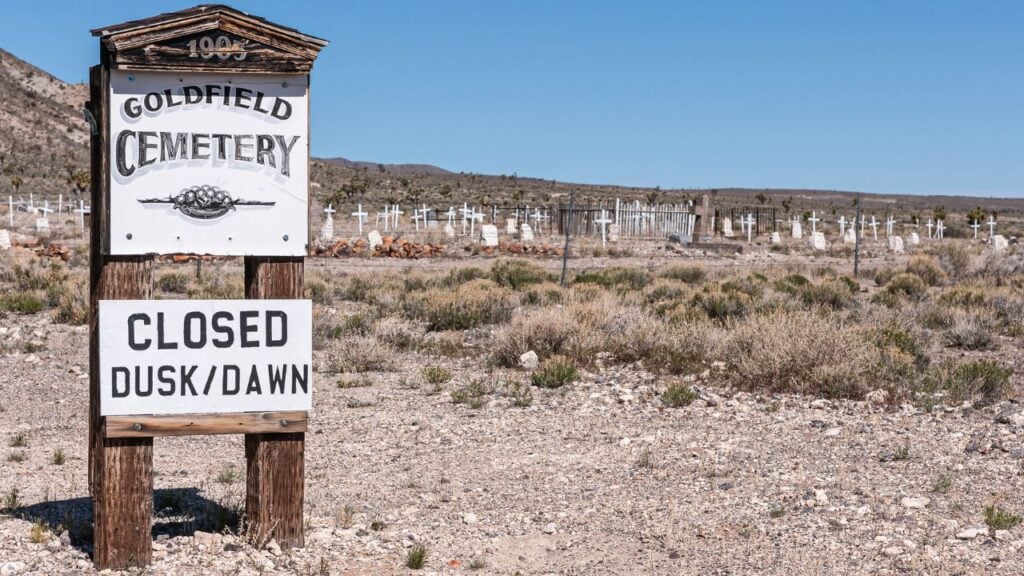
Many Nevadans live nowhere near the highway some call the loneliest road in America.
Some Nevada towns are places Nevadans are surprised anyone still calls home.
