
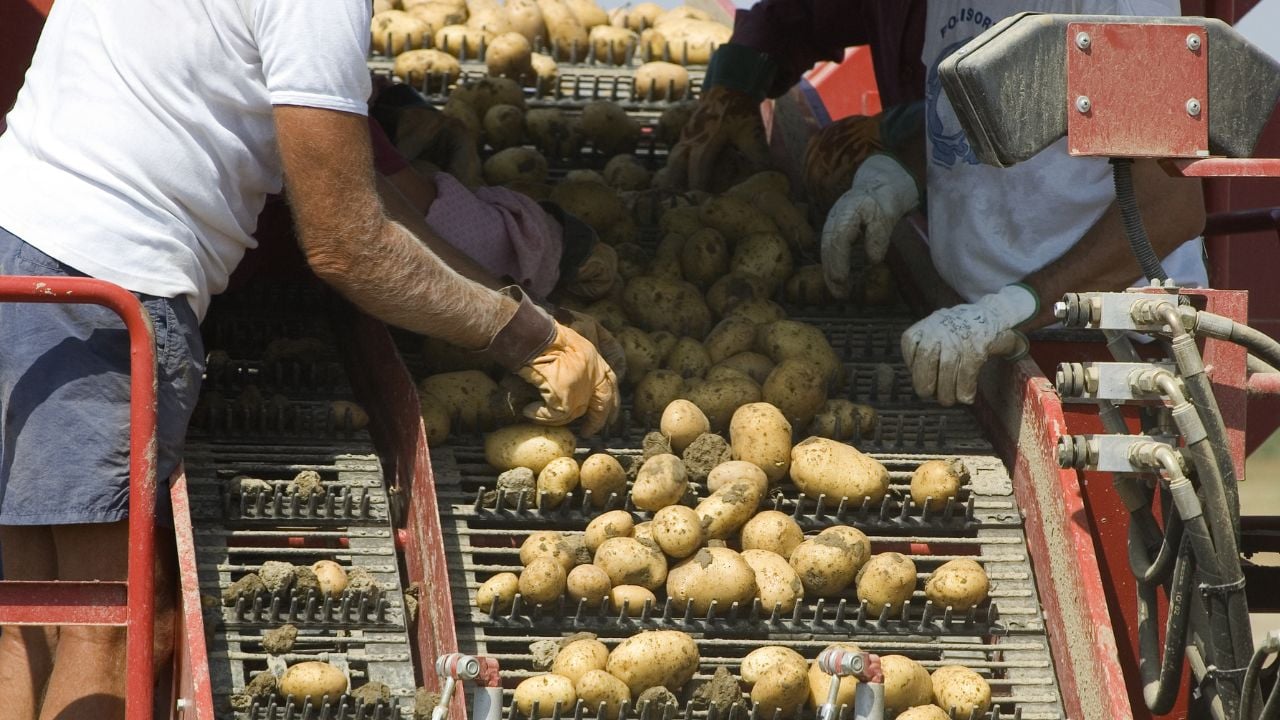
4 Things That Happen in Idaho Potato Country Once the Harvest Is In

The fields go bare, and the last trucks roll in.
It looks like the work is done, but for Idahoans in potato country, the potatoes still have a long way to go before they reach your table.
Here’s what happens once the harvest is in, and why it keeps people busy into winter.
1. Seed Potato Inspections
Seed potatoes get storage inspections before and after harvest, plus post-harvest testing, according to the Idaho Crop Improvement Association’s 2025 directory.
That testing includes an off-season grow-out of tuber samples in Waialua, Hawaii.
The Post Register reported in 2023 that a leaf from each plant then goes back to Idaho Falls for laboratory testing.
East Idaho News described that Idaho Falls lab in June 2026, where a lab manager and an assistant lab technician test potatoes for Potato Virus Y.
If you’re wondering who is in charge, the University of Idaho’s regents appointed the association in 1959 to administer seed certification in Idaho.
2. Filling the Cellars
Harvested potatoes are stored in climate-controlled cellars, according to the Idaho Potato Commission.
Growers fill them from a harvest of about 13 billion pounds a year.
Harvest begins in early September and can run through most of October.
You can buy potatoes stored properly for up to twelve months, and there’s nothing wrong with them.
In storage, cuts and bruises on the potatoes often heal over in a process called suberization.
If you’re curious how cold a cellar runs, storage temperatures sit at 40 to 45 degrees Fahrenheit in a high-humidity atmosphere.
In a 2022 profile, the farm publication DTN reported that a grower near Burley stores fryer potatoes at 47 degrees.
Anything colder would turn the starches to sugar and darken the fries.
He keeps fresh potatoes at about 40 to 42 degrees.
Systems are in place to monitor for spoilage that would otherwise spread into the pile.
A large cellar, which the commission says people sometimes call a potato shed, can run as long as a football field.
That’s one big building.
What a Potato Cellar Holds
A 2022 profile in the farm publication DTN gave a Burley-area grower’s cellar capacity in hundredweight, written cwt.
One hundredweight is 100 pounds.
Each cellar is 260 feet long and 60 feet wide, with room for 100,000 cwt.
That works out to 10 million pounds of potatoes, or enough to fill 1 million 10-pound bags.
3. Packing From Storage
Potato packing follows the harvest, which the commission’s timing page says is typically in September and October.
You can usually buy Idaho potatoes year-round, even though they come out of the ground in one harvest.
When it’s time to ship fresh potatoes, they come out of storage, go through a wash, and head for sorting into consumer bags or foodservice cartons.
In foodservice, each carton has a pack date showing when the potatoes left storage for washing, sorting and packaging.
If you work in a restaurant kitchen, you can read that date on the carton.
The commission says about 29% of the crop ships fresh to grocery stores and restaurants.
That’s under a third.
Psst! How much do you know about Idaho’s potato world? Take our quiz and see if you can ace it.
Quiz
Potato Country IQ
Answer nine questions on Idaho potato trivia, research, and history. We bet you can’t get them all right. Prove us wrong?
The giant potato that rides on the Big Idaho Potato Truck is listed at what weight?
4. January Potato Conference
The University of Idaho lists the 2027 Idaho Potato Conference and Eastern Idaho Ag Expo for January 20 and 21.
Harvest can run through most of October, and the conference follows in January.
It's the 59th annual conference.
A Potato Country event listing puts it at the Pond Student Union Building and Holt Arena in Pocatello.
If you register by midnight on Wednesday, January 13, you'll pay $40, and the price goes to $50 after that.
The university's event page says the conference has an adjoining trade show with over 70 booths.
Seminars and workshops in Spanish will cover topics from beneficial insect identification to farm safety.
You can earn pesticide recertification credits at seminars and workshops throughout the in-person conference.
Potato Processors and Contract Growers
Potato processors take most of the crop, and the Idaho Potato Commission says about 62% ships to processing plants, where it becomes French fries, tots, flakes and chips.
If you want the grower's side, the farm publication DTN described the Burley-area grower's Quonset-type cellars, which store the harvest for a year at a time until buyers remove it.
French fry processors agreed to pay Idaho growers about 20% more in 2022 than in 2021.
Contract growers' production costs were $3,500 to $4,000 per acre in 2022, up from $2,200 to $2,400 in 2020.
The grower told DTN that when you pay retail, the farmer generally gets about 20% of that price.
That's one dollar in five.
December Potato Stocks
Idaho held 94.0 million hundredweight of potatoes in storage on December 1, 2024, according to the Potato Stocks report from the U.S. Department of Agriculture's National Agricultural Statistics Service.
In pounds, you're looking at about 9.4 billion.
Washington held 60.0 million hundredweight and Oregon held 20.7 million that day, so you can add the two and still land below Idaho.
The 13 major potato states held 276 million hundredweight that day, down 4% from a year earlier.
A year earlier, on December 1, 2023, Idaho's stocks stood at 100.0 million hundredweight.
That's a 6% drop.
9 Idaho Foods That Horrify Everyone From Out of State
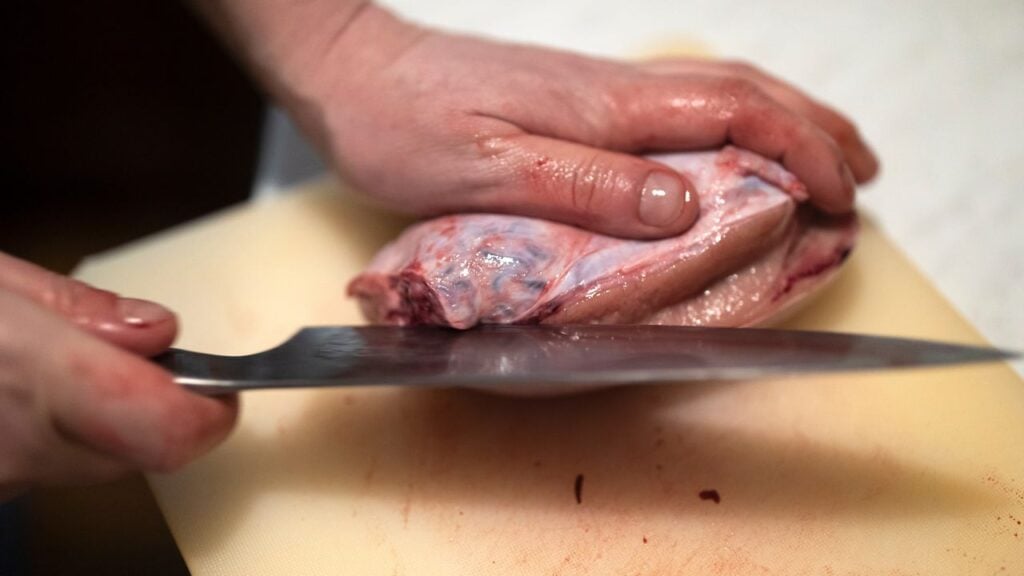
Some of the food Idaho serves makes out-of-state visitors set their fork down mid-bite.
Locals, meanwhile, ask for seconds without a moment's hesitation.
9 Idaho Foods That Horrify Everyone From Out of State
9 Things That Only Make Sense to People Who Grew Up in Idaho
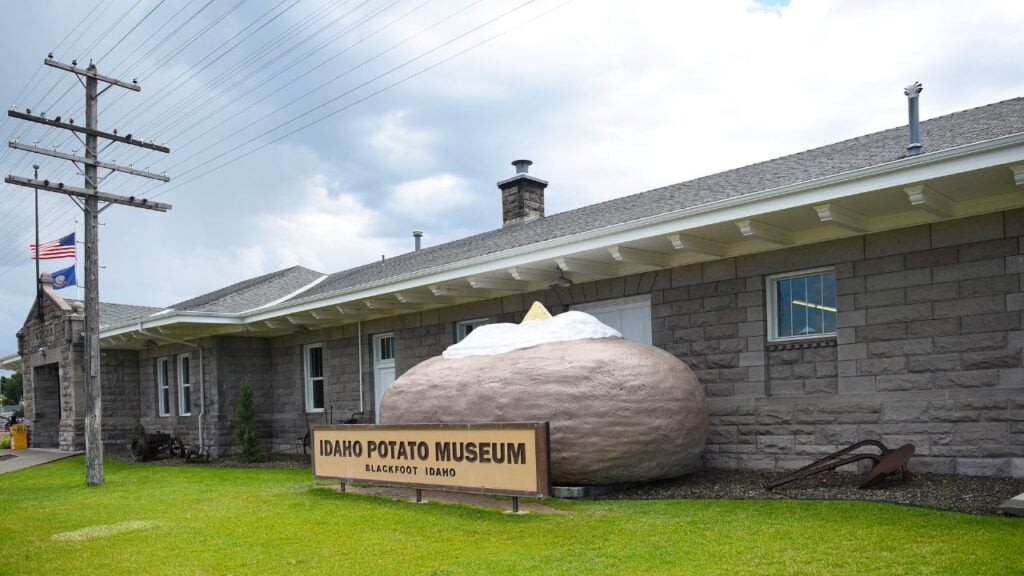
Idaho natives hear the state's local quirks and don't blink.
Anyone from almost anywhere else reacts differently.
9 Things That Only Make Sense to People Who Grew Up in Idaho
