
7 Signs Someone Was Raised in South Dakota, No Matter Where They Live Now

Some South Dakotans can still name the pheasant opener’s date years after they’ve moved away.
Habits like that tend to follow people long after they leave the state.
Here are the signs that give away a South Dakota upbringing, wherever you live now.
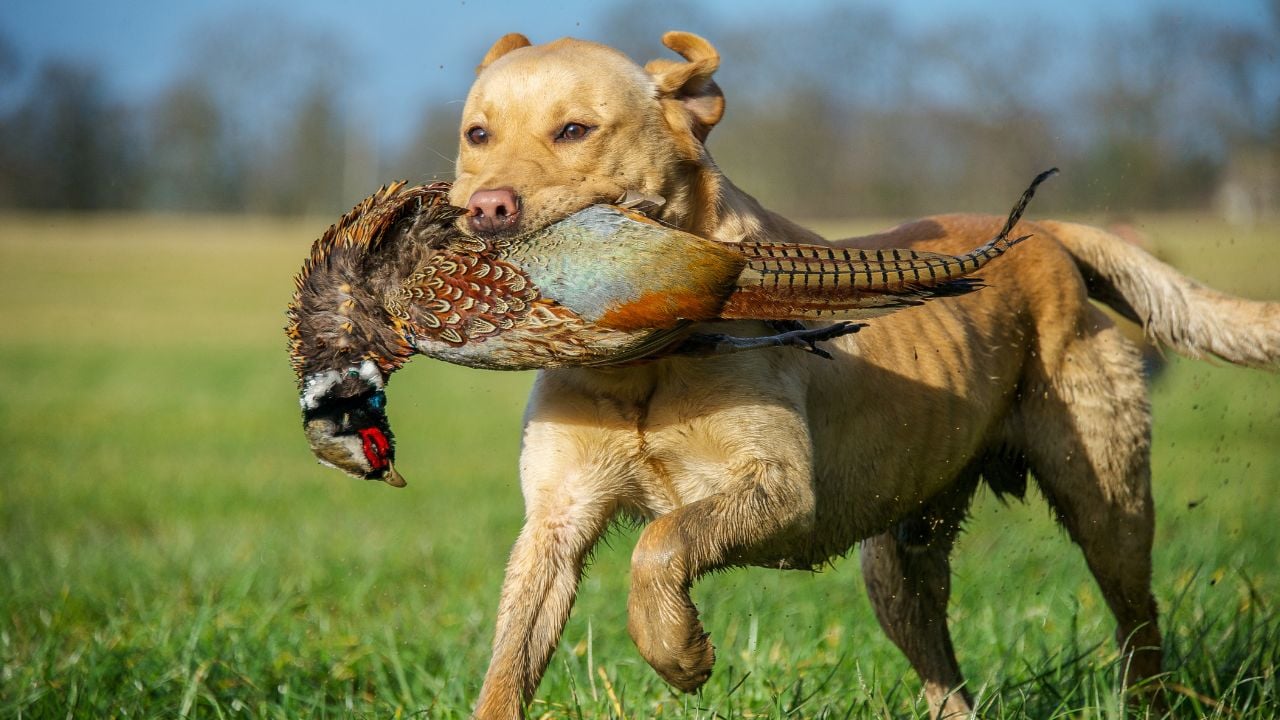
1. Pheasant Opener
State rules open the regular pheasant season on the third Saturday of October almost everywhere in the state.
In 2026, opening day fell on Saturday, October 17.
Game, Fish and Parks says pheasant hunting has brought friends and families together since 1919.
Opening weekend is a time of enthusiasm and activity in cities and rural communities across the state.
You may not hunt, but you probably know when opening day is.
Many people who grew up in the state can still name the opener’s date years after they’ve moved away.
Where the Pheasant Opener Applies
Under rule 41:06:08:01, South Dakota’s pheasant opener on the third Saturday of October applies to Unit 1.
Unit 1 covers every county except the areas listed in Units 2 and 3.
Unit 2 covers four game production and bird refuge areas, which open December 1.
Unit 3 is Sand Lake National Wildlife Refuge in Brown County, which opens the second Monday of December.
2. Native Americans’ Day
Native Americans’ Day falls on the second Monday in October, according to South Dakota’s legal holidays statute.
A Rapid City television station reports the state’s first observance came on October 12, 1990.
The first celebration was held at Crazy Horse Memorial, where Governor George Mickelson declared 1990 the year of reconciliation.
You could have marked your 2026 calendar for Monday, October 12.
3. East River, West River
The Missouri River almost perfectly bisects South Dakota into East River and West River, according to Travel South Dakota.
South Dakota Public Broadcasting (SDPB) says East River is more like the eastern United States, while West River is more like the Wild West.
More rain in the east makes raising crops easier, while less rain in the west makes cattle more common.
Whichever side of the river you grew up on, those descriptions may sound familiar.
Many people who grew up in the state often answer East River or West River when you ask where they’re from.
4. Chinook Winds
Chinook winds can warm daytime temperatures in South Dakota’s Black Hills from the 30s into the 50s and 60s in January and February, the National Weather Service says.
At 7:32 a.m. on January 22, 1943, you’d have found 4 below zero in Spearfish.
Within two minutes, you’d have been standing in 45 degrees, a 49-degree rise.
The warmth didn’t last.
Spearfish fell from 54 degrees back to 4 below, a 58-degree change, in 27 minutes.
Psst! How well do you know South Dakota’s official symbols and landmarks? Take our quiz and see if you can ace it.
Quiz
South Dakota IQ
Answer these questions on South Dakota’s official symbols and landmarks. We bet you can’t get them all right. Prove us wrong?
Black Elk Peak, the highest point in the United States east of the Rockies, got that name in August 2016. What was it called before?
5. Official State Drink
Your glass of milk has an official status: South Dakota's official drink, a title lawmakers wrote into state law in 1986.
Read the statute, and you'll find two extra words after milk: "lac vaccum."
South Dakota State University Extension says South Dakota's dairy cattle grew from slightly over 80,000 in 2006 to over 200,000 in 2025.
The growth became more apparent after 2015 and sped up after 2020.
The state's 10 top dairy counties, all in eastern South Dakota, held 82% of its dairy cattle in 2022.
6. Interstate Speed Limit
South Dakota's interstate speed limit tops out at 80 mph under state law.
The interstate speed limit rose to 80 mph on two major interstates on April 1, 2015, the Associated Press (AP) reported.
The same day, the state raised its gas tax by 6 cents per gallon.
The Star Tribune reported that Idaho, Wyoming and Utah had already raised their limits to 80 mph.
You may notice the difference once you drive somewhere slower.
7. Triceratops
Lawmakers made Triceratops the official state fossil of South Dakota in 1988.
Picture a dinosaur skull with three horns, and you're picturing the state fossil.
That skull measured more than 6 feet, and each of the two horns above its eyes topped 3 feet, Britannica Kids says.
Triceratops lived in North America during the late Cretaceous period, roughly 65 to 70 million years ago.
You couldn't mistake it.
1943 Black Hills Front
A front separating extremely cold Arctic air from warmer Pacific air rolled along the Black Hills on January 22, 1943, according to the National Weather Service.
The front moved along the northern and eastern slopes.
Downtown Rapid City went from 5 above at 9:20 a.m. to 54 degrees at 9:40 a.m.
Plate glass windows cracked.
Drivers who met the front found thick frost on their windshields and couldn't see out.
By afternoon, the front had passed east of Rapid City, and the airport reached 50 degrees.
Think of scraping frost off your windshield, then picture it forming while you drive.
Ripley's Believe It or Not ran a cartoon about the event, the weather service says.
Time Zone Line
Federal rules put South Dakota in two time zones, with the boundary on the main channel of the Missouri River from the North Dakota line to near Pierre.
South of Pierre, the boundary turns southwest, then west, then south along the western edges of Jones, Mellette and Todd counties.
You change time zones when you drive across that boundary.
Pheasants by the Numbers
South Dakota Public Broadcasting (SDPB) says South Dakota first had pheasants in 1908, near Doland in Spink County.
Game, Fish and Parks' pheasant page lists 139,650 hunters for 2025.
Of those, 82,574 came from out of state, against 57,076 residents.
Out-of-state hunters outnumbered residents.
If you grew up around the opener, that may surprise you.
The 2025 harvest was 1,351,081 pheasants, with nonresidents taking 768,053 of them.
Dividing that harvest by the hunters gives about 9.7 birds per hunter, our calculation from the agency's figures.
Pheasant hunters spent an estimated $304.5 million in South Dakota, based on 2025 harvest surveys and an inflation-adjusted spending study.
Nonresidents spent an estimated $161.8 million of that, against $142.7 million from residents.
5 Things South Dakota Locals Do at a Rodeo That Visitors Find Fascinating
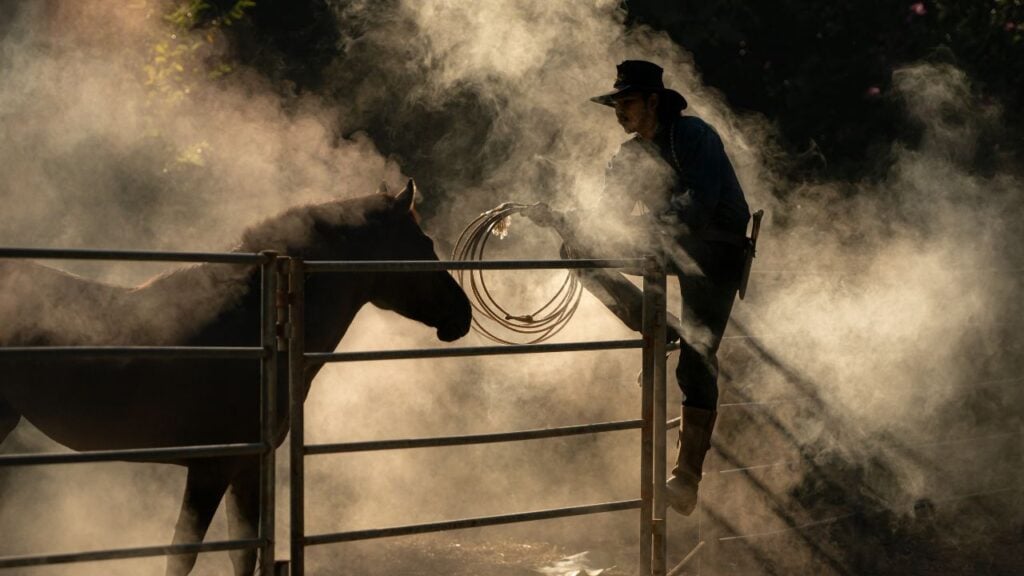
Anyone can put on boots and find a seat in the grandstand.
Knowing where to be and what deserves the loudest cheer is what separates a South Dakota rodeo regular from a visitor.
5 Things South Dakota Locals Do at a Rodeo That Visitors Find Fascinating
5 South Dakota Roadside Stops That Are Stranger Than the Billboards Suggest
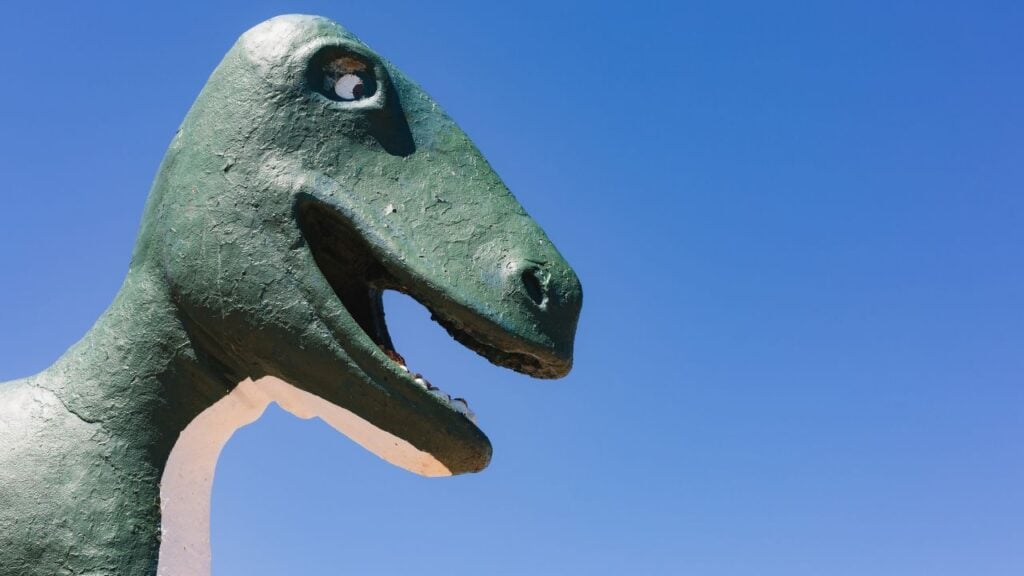
Those roadside signs are hard to miss on a South Dakota drive.
These stops are stranger than the signs.
5 South Dakota Roadside Stops That Are Stranger Than the Billboards Suggest
