
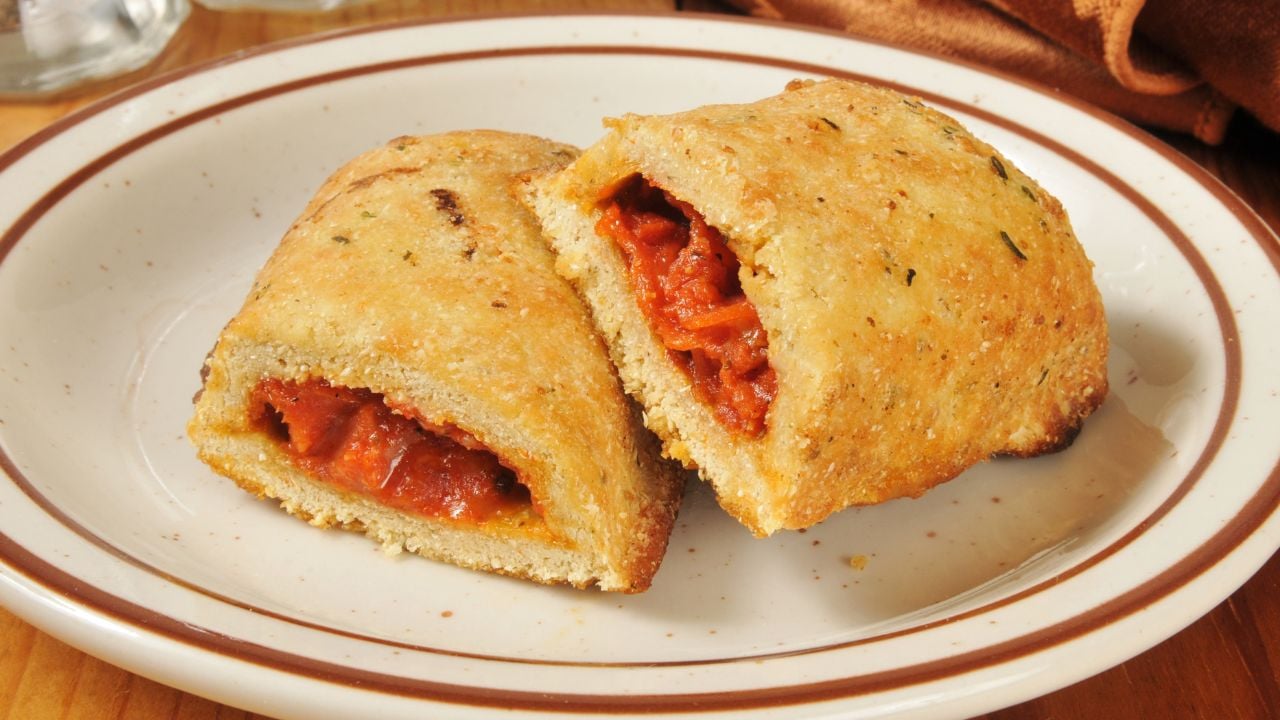
Think You Know the Pepperoni Roll? 7 Facts Not All West Virginians Know

A warm pepperoni roll in a paper bag is a lunch many West Virginians grew up on.
Most know how it tastes. Fewer know the history behind it.
Here are some pepperoni roll facts that might be new even to longtime fans.
1. USDA’s 1987 Threat
Pepperoni roll bakeries faced a federal threat in 1987.
The United States Department of Agriculture (USDA) wanted to reclassify the roll bakeries as meat packers, according to the West Virginia Encyclopedia.
Senator Jay Rockefeller took the matter to Agriculture Secretary Richard Lyng.
You can read the same episode in the legislature’s 2021 resolution, which says roll producers contacted Rockefeller and credits him with saving the entire industry.
If you’re wondering what was at stake, the proposal threatened to put family-owned bakeries out of business.
2. Argiro’s 1927 Credit
Fairmont’s Country Club Bakery is the starting point in the West Virginia Encyclopedia’s account of the pepperoni roll.
Baker Giuseppe Argiro, the bakery’s founder, is credited with having invented the roll in 1927.
The legislature’s 2021 resolution also puts the roll’s creation in Fairmont around 1927.
Argiro passed the recipe to his son Frank, who later owned the bakery.
If you stop at Country Club Bakery in Fairmont, you’re at the bakery tied to that 1927 credit.
3. Coal Miners’ Lunch
The pepperoni roll started in the coal mining areas of north central West Virginia, according to West Virginia University Press.
Candace Nelson’s 2017 book, The West Virginia Pepperoni Roll, describes Italian immigrants inventing a food that was easy to eat underground.
According to the West Virginia Encyclopedia, Argiro, a former miner, remembered his coworkers eating bread and pepperoni at work and combined the two.
If you’ve ever packed a roll for lunch, you’re repeating what Argiro’s coworkers did with bread and pepperoni.
From there, the roll soon moved out of the mines and into bakeries, bread companies, restaurants and event venues around the state.
The encyclopedia adds that the roll is still most popular in the areas of heaviest Italian settlement, particularly northern West Virginia.
Today, you can find it in most parts of the state.
4. Two Counties, Two Claims
A Marion County visitors bureau post on the state tourism site says Marion and Harrison Counties both claim to be the originators of the pepperoni roll.
Marion County claims the roll, while Harrison County insists it was one of theirs.
Marion County backs Country Club Bakery in Fairmont, while Harrison County backs Tomaro’s Bakery in Clarksburg.
If you’re keeping score, the West Virginia Encyclopedia’s credit for Argiro sits on Marion County’s side.
Ask around, and many locals will defend whichever county they call home.
5. State Food Votes
The pepperoni roll has been the subject of official state food resolutions in the House of Delegates since at least 2013.
A 2013 version, House Concurrent Resolution 84, was introduced and sent to the House Rules Committee on March 19.
The House adopted House Concurrent Resolution 34 by voice vote on April 5, 2021.
The Senate received the resolution the next day and referred it to its Rules Committee.
No later action is listed.
In 2023, House Concurrent Resolution 19 moved to House Rules on February 20 after a committee recommended adoption with an amendment, and that is its last recorded action.
What the Pepperoni Roll Resolution Says
House Concurrent Resolution 34 says the pepperoni roll is often referred to as the unofficial state food of West Virginia.
If you read its clauses, you’ll find Country Club, Tomarro’s, Chico’s Dairy, Colasessano’s and Nu Era Bakery.
It calls them names that may not be in business today if the proposed change had been implemented.
It also directs the Clerk of the House of Delegates to forward copies to the pepperoni roll bakeries of West Virginia.
You can read the full text of the introduced version on the legislature’s site.
6. Colasessano’s Add-Ons
Colasessano’s lunch spot in Fairmont started selling pepperoni rolls in 1957, according to the West Virginia Encyclopedia.
If you’re tracing the family, Filippo Colasessano, also a former miner, opened the lunch spot.
His son Spider was the one who started selling the rolls there.
Pepperoni had company.
If you want more than pepperoni in your roll, Spider expanded the recipe with cheese, hot peppers and hot dog sauce.
Psst! How much do you know about West Virginia? Take our quiz and see how many you can get right.
Quiz
Mountain State Pop Quiz
Answer these questions on West Virginia’s Italian roots, apples, and Fairmont. We bet you can’t get them all right. Prove us wrong?
In 1910, about what share of West Virginia’s foreign-born population was Italian?
7. Pepperoni Roll Trail
The Pepperoni Roll Trail launched in April 2025, according to a press release posted on therealwv.com.
The Marion County Convention and Visitors Bureau teamed up with the Clarksburg Visitors Center to release it.
Rivals became partners.
If you start where the trail did, you'll be in Harrison, Marion and Upshur Counties, according to the Marion County visitors bureau post on the state tourism site.
The trail expanded in August 2025, with local favorites from Tucker, Monongalia and Greenbrier Counties.
After community input, the trail added stops in Morgantown, Thomas and Lewisburg.
If you're planning a trip, those added stops are Chico Bakery in Morgantown, Mountain Top Convenience in Thomas and The Humble Tomato in Lewisburg.
Italian Settlement in the North
If you're mapping the pepperoni roll's home territory, start in northern West Virginia, where the West Virginia encyclopedia says most Italian population concentrations were in six counties.
Marion County led the way among those northern counties, with Harrison, Tucker, Randolph, Preston and Monongalia Counties also among them.
The Italian immigrants came from the southern regions of Campania, Calabria and Sicily.
Before World War I, the Italian government maintained a consular office in northern West Virginia.
If you're wondering why the roll is most popular in northern West Virginia, it ties to the areas of heaviest Italian settlement.
As of 1970, Italians with at least one parent born in the old country were the state's second-largest ethnic group, according to the encyclopedia.
Sticks Versus Slices
Sticks versus slices is one of the pepperoni roll debates covered in the foreword to Candace Nelson's book, according to the press's description.
The Marion County visitors bureau's post on the state tourism site lists stick, ground and sliced varieties on the pepperoni roll trail.
The West Virginia Encyclopedia says a pepperoni roll remains a soft treat that you eat right out of your hand.
The grease from the pepperoni leaves an orangeish-red spot on either end.
In the 21st century, the roll has spread far beyond its traditional homeland, with a following nationwide and internationally.
5 West Virginia Overlooks That Aren't Worth the Leaf Season Traffic

A busy fall Sunday can fill the Bear Rocks parking lot at Dolly Sods by late morning.
Some West Virginia overlooks may not be worth sitting in that traffic.
5 West Virginia Overlooks That Aren't Worth the Leaf Season Traffic
7 Ground Movement Problems That Blindside West Virginia Buyers
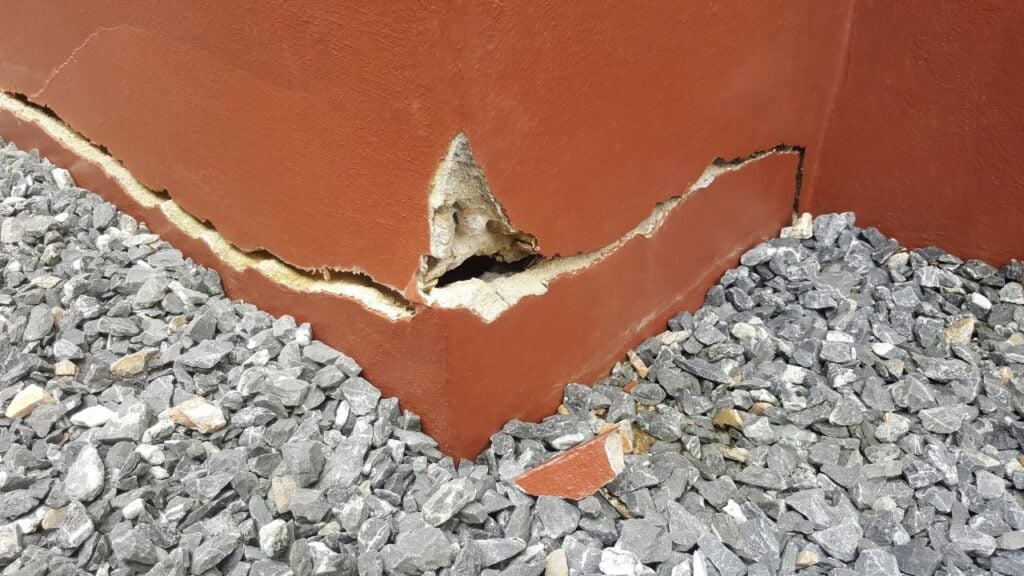
The ground under a house can move in several ways.
Some of them can catch a buyer off guard.
7 Ground Movement Problems That Blindside West Virginia Buyers
