
12 Things That Instantly Make a Louisianan Homesick

Louisianans who’ve moved away know it doesn’t take much to miss home.
One smell, song, or menu item can be enough to bring the whole place back.
Here are the things that can make a Louisianan long for home.
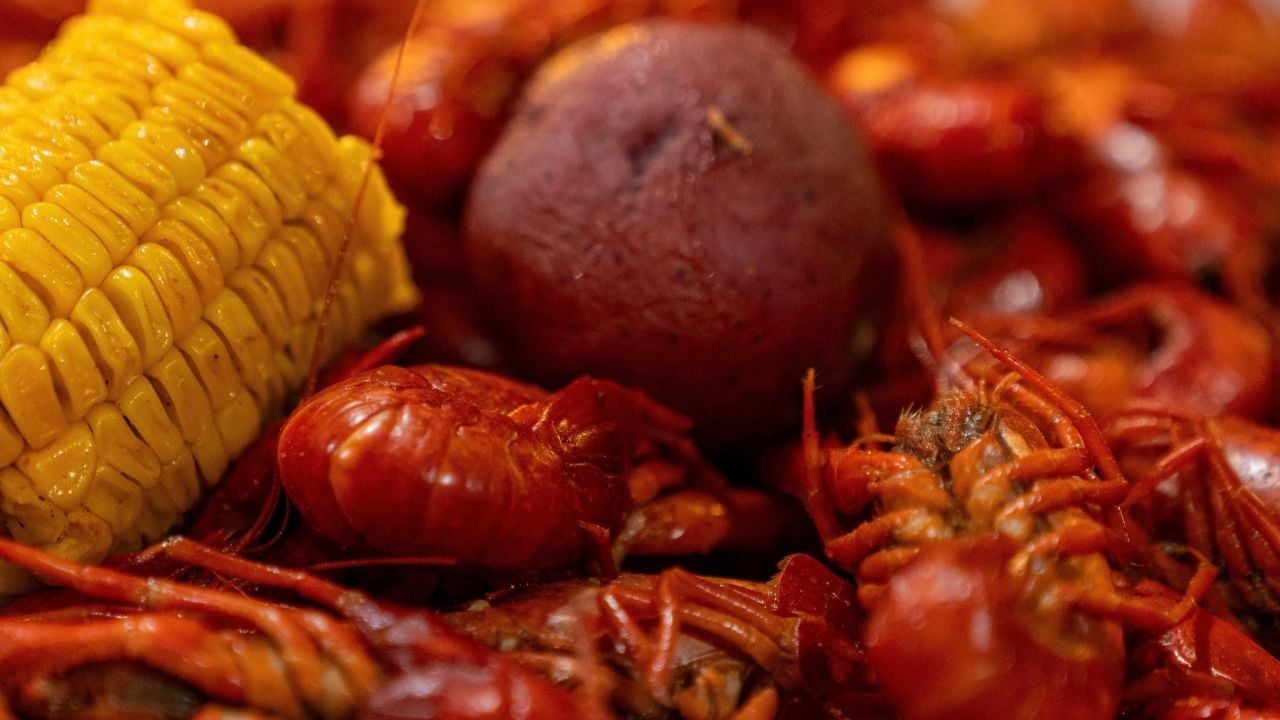
1. Crawfish Boils
A boil is a springtime ritual in Louisiana, according to the online encyclopedia 64 Parishes.
That makes spring the season when a lot of people far from home start missing one.
Cooks usually buy live crawfish in forty-pound sacks.
A boil needs a crowd.
If you’ve ever lugged one of those sacks, you know why.
Corn, red potatoes and halved lemons frequently go in the pot.
Louisiana State University says Louisiana supplies 90% of the crawfish consumed in the U.S., citing a 2024 report from its AgCenter.
2. Boudin
Where do you start when you’re explaining boudin to someone who hasn’t had it?
Boudin is a Cajun sausage made of meat and rice, typically eaten with the filling removed from the casing.
The filling is often squeezed directly into the mouth.
Many people who’ve moved away have had to explain exactly that.
64 Parishes lists specialized meat markets, grocery stores, standalone boudin shops and convenience stores as sellers.
Arneastor Johnson popularized commercial sales in the 1940s at Johnson’s Grocery in Eunice.
3. Gumbo
Louisiana made gumbo its official state cuisine in 2004.
The statute lets the state use gumbo on its official documents and with its insignia.
Gumbo could be considered the defining dish of South Louisiana, the encyclopedia says.
The name traces to gombo, which means okra in a West African dialect spoken by the Bambara.
You can follow a roux recipe in any kitchen.
Lots of people away from home miss the pot they grew up on.
If you grew up on one family’s recipe, other gumbos rarely taste the same.
4. Red Beans and Rice
When you’re far from home, a Monday without red beans often feels wrong.
64 Parishes ties the dish to Monday, a traditional day for laundry.
On Sunday evenings, household cooks put their beans in water to soak overnight.
They saved slivers of ham and the ham bone from Sunday’s midday dinner to season the beans on Monday morning.
While they washed clothes, the beans cooked on the stove.
If you don’t have a pot going, restaurants also serve it, cooking early for the lunch crowds on Mondays.
5. Po-Boys
The po-boy originated in 1929 at the Martin Brothers’ French Market Restaurant and Coffee Stand in New Orleans.
The brothers worked with their bread supplier, John Gendusa, on a loaf made for large sandwiches.
The original loaf was forty inches long.
The current loaf is about thirty to thirty-two inches.
If you’ve bitten into a po-boy on the wrong bread, you know what’s missing.
The name poor boy was first applied to the sandwich during the 1929 streetcar strike.
The New Orleans Po-Boy Preservation Festival, now called the Oak Street Po-Boy Festival, launched in 2007.
6. Beignets
64 Parishes describes New Orleans beignets as dense, rectangular, yeast-risen pockets of fried dough, with powdered sugar dumped on in amounts that call to mind an avalanche.
Café du Monde opened in the Butcher’s Hall section of the New Orleans French Market in 1862.
A lot of people who’ve moved away still think about a plate of beignets.
You can fry dough anywhere, but you can’t bring the French Market home with you.
Café du Monde’s history page describes a traditional coffee shop whose menu consists of dark roasted coffee and chicory, beignets, white and chocolate milk, and fresh squeezed orange juice.
If you order the coffee there, it comes black or au lait, which means mixed half and half with hot milk.
7. King Cake
A king cake without a baby is just a cake.
King cake belongs to Carnival season, which the encyclopedia ties to Twelfth Night, January 6.
By the 1960s, plastic king cake babies had become the norm, just like the plastic beads thrown during parades.
Some people who’ve left still hunt for a king cake once Carnival starts.
If you cut a slice with the baby in it, you’re responsible for providing the next king cake.
8. Zydeco
If you grew up dancing to it, you can probably pick out the rubboard in a single measure.
Zydeco is a form of dance music rooted in Black Creole traditions of southwest Louisiana.
Its lead instruments are the accordion and the rubboard, known in French as the froittoir.
Some listeners far from home say a rubboard is enough to bring the dance floor back.
9. Tabasco
Many people far from home feel a tug when they spot that label on a restaurant table.
Tabasco sauce comes from the McIlhenny Company, a privately held, family-owned business headquartered on Avery Island, Louisiana.
Edmund McIlhenny grew his first commercial pepper crop in 1868 and sold his first bottle in 1869.
If you grew up near Avery Island, you’ve probably known that name on a bottle for as long as you can remember.
The mash is now aged up to three years in white oak barrels, a longer process than the original.
10. Snoballs
64 Parishes credits Ernest Hansen with building the first-known motorized ice-shaving machine in the early 1930s.
His wife, Mary, shared the creation with the world as Sno-Bliz, a snoball stand.
Snoballs look like snow cones but are made with finer, fluffier ice instead of coarse, crunchy ice.
If you’ve only had a snow cone, you’re missing the texture.
Snoballs tend to be a summer craving for anyone who grew up on them.
The ice is saturated, often in layers, with syrups flavored like cherry, strawberry, coconut and pineapple.
11. Atchafalaya Basin
The Atchafalaya Basin covers almost a million acres.
Some people who’ve left say photos can’t capture the scale.
If you’ve seen it in person, you know a photo only gets part of it.
The Nature Conservancy calls it North America’s largest floodplain swamp.
Psst! How much do you know about Louisiana? Take our quiz and see if you can ace it.
Quiz
Louisiana Symbols IQ
Answer nine questions on Louisiana’s official state symbols and Carnival history. We bet you can’t get them all right. Prove us wrong?
Louisiana’s official state gemstone comes from which animal?
12. Lake Pontchartrain Causeway
If you grew up crossing Lake Pontchartrain, one glimpse of the Causeway can bring the whole drive back.
Guinness World Records lists the Lake Pontchartrain Causeway as the longest bridge over water (continuous), at 23.87 miles.
The record-holding second span dates to 1969.
You can trace the whole crossing on a map, from Mandeville to Metairie.
5 Items Louisianans Clear Off Grocery Shelves First When a Storm Enters the Gulf
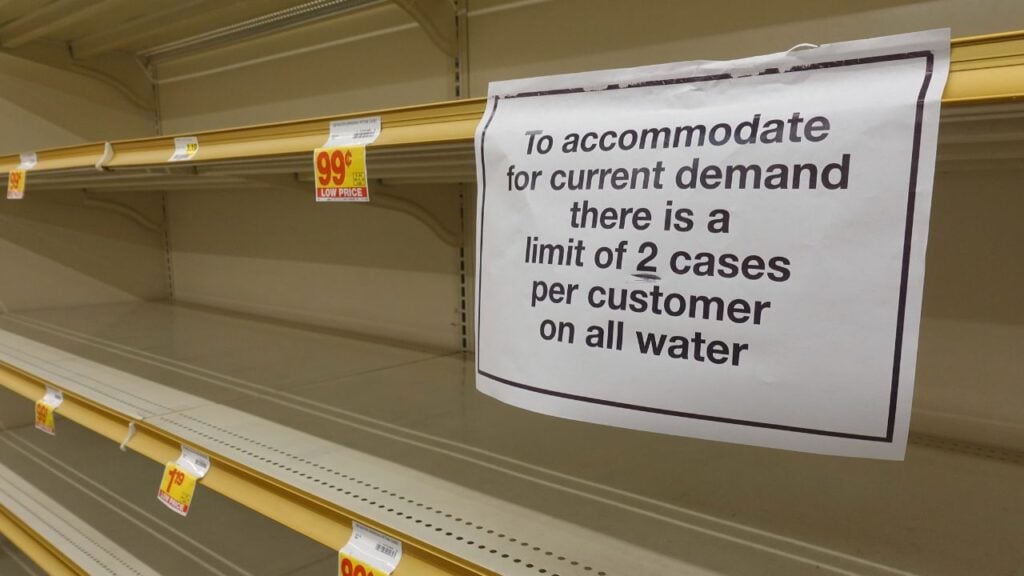
Some items disappear from Louisiana grocery shelves before the rest of the aisle looks touched.
That pattern often repeats when a storm enters the Gulf.
5 Items Louisianans Clear Off Grocery Shelves First When a Storm Enters the Gulf
10 Things Louisiana Librarians Know About a Town Before Anyone Else

Your local librarian can often see a town's next budget showdown coming before the first yard sign goes up.
These are the things many librarians pick up on first.
10 Things Louisiana Librarians Know About a Town Before Anyone Else
