
12 West Virginia Childhood Memories Out-of-Staters Never Had

Some childhood memories are tied so closely to West Virginia that they’re hard to explain anywhere else.
Kids in other states may never have had the same summer camps, fair days or school lunches.
Here are the memories that came with growing up there.
1. Buck Season Break
Kids in most West Virginia counties are out of school for the entire first week of buck season, according to the state encyclopedia.
Education Week reported in December 1997 that 40 West Virginia counties closed schools that year.
In Nicholas County, the 5,000 students were out for the entire week of Thanksgiving, which covered both the holiday and hunting season.
Counties that stay open often have too few students for in-person instruction.
If your county closed, you got the week off.
Many kids from other states don’t get a week off for deer.
2. Junior Livestock Shows at the State Fair
Junior 4-H and Future Farmers of America livestock shows are part of the State Fair of West Virginia, according to the state press association.
If you were 10 or younger, you got in free every day of the 2026 fair in Fairlea.
Past the gate, you could walk through livestock barns full of pigs, sheep, cattle, horses, goats, llamas and rabbits.
The fair’s Farm to Food Pavilion gave children a chance to learn the basics of agriculture.
The carnival had kiddie rides.
3. Snow Days by County
Children in all 55 West Virginia counties got either no school or non-traditional learning on Monday, Jan. 26, 2026, a Charleston TV station reported.
If you grew up waiting on a closing announcement, you were waiting on your county.
That winter’s closures piled up, and Lincoln County’s last day of classes would have been June 4 without a state waiver.
State Superintendent Michele Blatt announced that districts granted waivers wouldn’t be required to add extra instructional days at the end of the school year.
4. Marble Tournaments for Kids
Children ages 7 to 14 could enter the A. James Manchin Memorial Marble Tournament at the Culture Center in Charleston in 2012.
If you played, you shot Ringer, which sets 13 marbles in an X inside a 10-foot circle.
Winners became eligible for the National Marbles Tournament in Wildwood, N.J., that June.
West Virginia is a world center of glass marble manufacturing, according to the state encyclopedia.
5. Summer at 4-H Camp
The first organized camp for rural youth in the United States was held in Randolph County in 1915, according to the state encyclopedia.
In 1921, Jackson’s Mill hosted the first state 4-H camp in the United States.
Many West Virginia counties have permanent 4-H camps that host year-round learning and recreation.
If you grew up in one of those counties, you had a permanent camp in your county.
6. Cass Scenic Railroad Rides
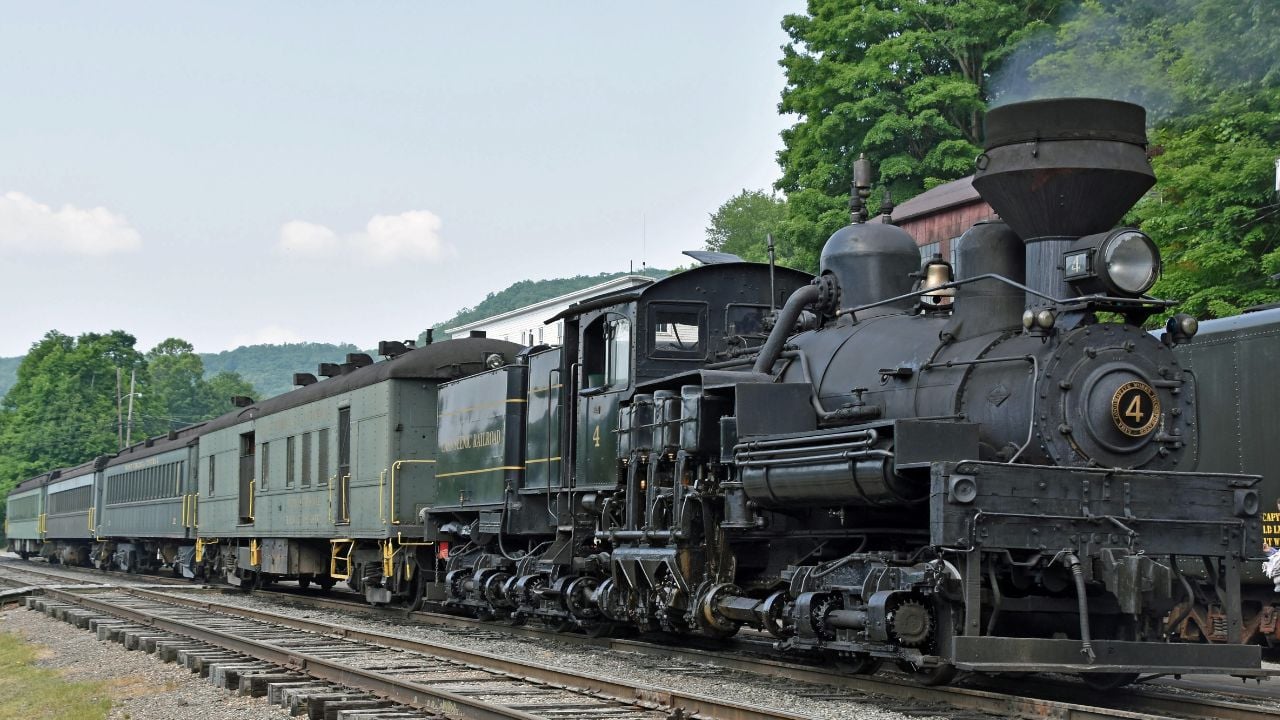
If you rode the Cass Scenic Railroad as a child, you likely rode behind a Shay locomotive, according to the railroad‘s website.
The same steep-grade Shay locomotives once hauled timber.
The mill that fed the line shut down on July 1, 1960.
By 1963, Shay engines Number One and Four were in working order, with a few flat cars fitted with safety rails and benches.
Twenty-three thousand people came to the mountain town in the first year.
The railroad’s website says the ride reaches Bald Knob, the third-highest point in West Virginia.
7. Beckley’s Youth Museum and Coal Mine
The Youth Museum of Southern West Virginia in Beckley shares a complex with the Beckley Exhibition Coal Mine, according to the state encyclopedia.
The museum has interactive, hands-on exhibits, a puzzle room, art exhibits and a pioneer village called The Mountain Homestead.
The mine opened to the public on July 23, 1962.
Veteran miners guide you through the mine, and you ride in a man car.
Bring a jacket, since the mine stays at 58 degrees year-round.
8. Walking the New River Gorge Bridge
Children who walked on top of the New River Gorge Bridge did it on Bridge Day, the third Saturday of October, according to the National Park Service.
The bridge is a highway, not a pedestrian bridge.
If you crossed it, you walked a highway bridge 3,030 feet long and 876 feet high.
Bridge Day 2026 was set for Saturday, Oct. 17.
9. Pepperoni Rolls for School Lunch
Kanawha County Schools served children pepperoni rolls for lunch, according to a 2023 report from West Virginia Public Broadcasting.
School cooks at places like Horace Mann Middle School in Charleston stuffed and shaped each roll.
The dough was the same recipe as the hot rolls served with school Thanksgiving dinners.
The story’s best estimate puts the first pepperoni roll lunch in the 1980s.
If you ate lunch in a Kanawha County school in those years, your tray may have had one.
10. Fishing Derbies at Bowden Hatchery
The state Division of Natural Resources planned a free fishing derby for youth anglers ages 3 to 14 at Bowden State Hatchery on Saturday, June 13, 2026.
Fishing sessions ran an hour at a time, grouped by grade level from preschool through eighth grade.
Kids who registered were eligible to win prizes.
The derby was part of the statewide Free Fishing Days weekend.
If you’re under 15, you don’t need a fishing license.
11. Kids’ Parades at the Strawberry Festival
Buckhannon’s West Virginia Strawberry Festival added a children’s parade within six years of its start, according to the state encyclopedia.
It began as a one-day event on June 3, 1936, when more than 6,000 spectators watched 30 princesses parade down Main Street.
If you were in Buckhannon in May 2026, you could catch a Junior Royalty Parade on Thursday, May 14.
That year’s festival, the 84th, ran May 9-17.
Psst! How much do you know about West Virginia’s history? Take our quiz and see if you can ace it.
Quiz
West Virginia Pop Quiz
Answer these questions on West Virginia history and landmarks. We bet you can’t get them all right. Prove us wrong?
Rural free delivery of U.S. mail began in 1896 on routes starting in which West Virginia town?
12. Camp Washington-Carver
Camp Washington-Carver opened in 1942 as the first 4-H camp for Black youth in the United States, according to the National Park Service.
The Works Progress Administration, the Civilian Conservation Corps and prison laborers from Moundsville all had a hand in building it.
If you went in the 1950s, you went at its peak, when about 1,600 campers attended each year.
The camp joined the National Register of Historic Places in 1980.
The venue hosts a Heritage Arts Camp and the Appalachian String Band Festival today.
9 Things West Virginians Are Tired of Explaining to Everyone Else

West Virginians field the same few questions about their state over and over.
These are the answers they would like to retire.
9 Things West Virginians Are Tired of Explaining to Everyone Else
6 West Virginia Back Roads Locals Don't Want Put on a Map
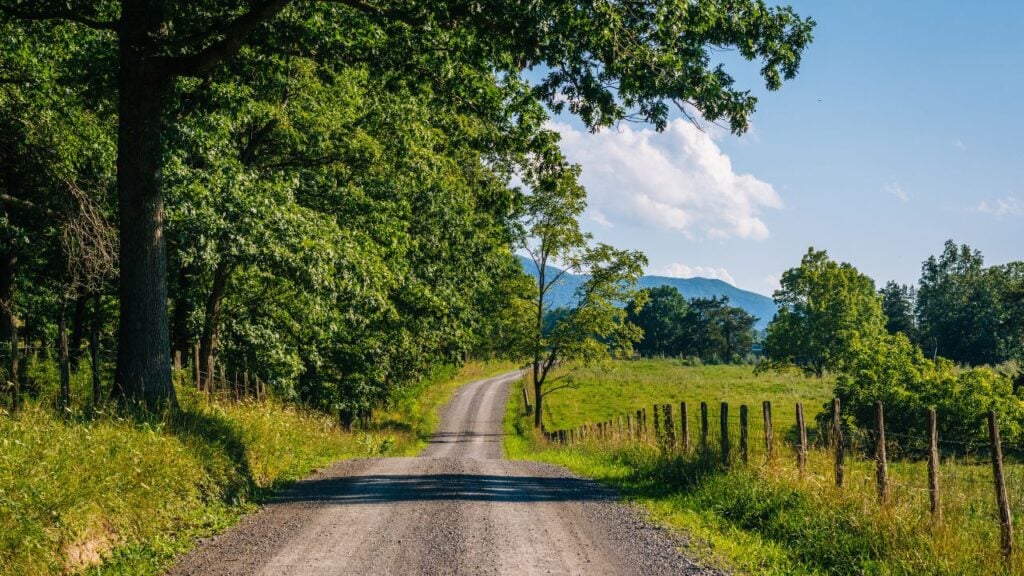
Some West Virginia back roads don't show up in the guidebooks.
These are the back roads locals would rather keep off the map.
