
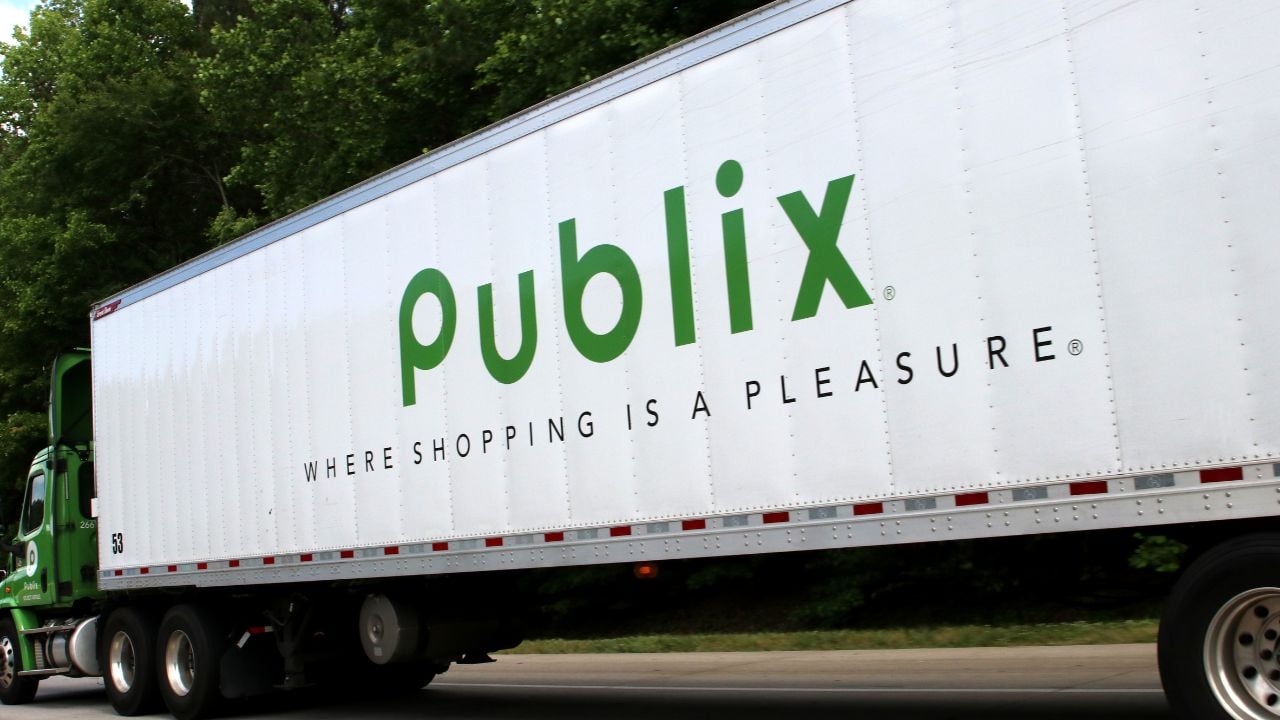
GreenWise Doesn’t Always Mean Organic at Publix. 5 Other Shelf Labels Floridians Mix Up

Grocery shelves are covered in little tags, and it’s easy to skim right past them.
Floridians who shop at Publix may assume some of those labels mean more than they do.
Here’s what a handful of Publix shelf tags really promise.
1. GreenWise Label
Publix puts the GreenWise label on meats, nonfood products and more.
Organic isn’t the only way an item earns it.
Publix lists several requirements for the GreenWise label, and organic certification from the Department of Agriculture (USDA) is only one of them.
So your cart can hold a GreenWise item that isn’t organic.
Publix flags its organic items with icons on its teal shelf tags, so look for the organic icon on a teal tag if organic is the goal.
The name alone isn’t proof.
What Earns the GreenWise Label
A GreenWise item at Publix has to meet at least one of these requirements.
One is USDA organic certification.
Another is being made with at least 70% organic ingredients.
A third is being made without the preservatives, flavors and colors on Publix’s published list.
GreenWise meats can qualify by being raised without antibiotics or added hormones.
GreenWise nonfood products can qualify with an environmental claim on the packaging.
2. Better Choice
Publix’s green Better Choice tag comes from a comparison of similar products by Publix’s registered dietitian nutritionists.
Publix says those dietitians drew on sources like the Department of Agriculture’s Dietary Guidelines for Americans.
A tagged item has more of the nutrients you want, like fiber, and less saturated fat, added sodium or added sugar than the similar products it’s compared with.
That’s a narrower claim.
It makes Better Choice a comparison, not a low-sodium label.
If sodium is the number you’re watching, check the Nutrition Facts panel.
The tag’s comparison counts added sodium.
Publix’s nutrition FAQ calls these green Better Choice shelf tags, which helps you tell them apart from the teal organic tags.
3. Made Without
Publix’s Made Without tag covers a published list of preservatives, flavors and colors, not additives in general.
Publix’s list includes artificial colors, high fructose corn syrup and monosodium glutamate (MSG), among others.
These products may contain colors from natural sources.
Natural color is still color.
So you can still find added color from a natural source in a Made Without item.
If one ingredient is the one you’re avoiding, read the ingredient list instead of relying on the tag alone.
4. Gluten Free
Publix leaves the Gluten Free tag to the manufacturer’s declaration on the package, in line with Food and Drug Administration (FDA) regulations.
The FDA issued its final gluten-free labeling rule in 2013, and the agency describes gluten free as a voluntary claim.
If you avoid gluten, you’ll find that declaration on the package, and the shelf tag follows it.
The maker makes the call.
5. Vegan
Publix’s Vegan tag marks a product that contains no meat, eggs, honey, dairy or animal by-products.
Honey is the catch.
Honey comes from bees, so an item sweetened with it wouldn’t fit that definition.
Eggs and dairy rule an item out too, which means a vegetarian product can miss the tag.
If you’re avoiding animal products, you can use the tag as a quick screen for everything on that list.
6. Save
Publix reserves its Save tag for a price it has lowered temporarily.
It’s the only tag in Publix’s shelf-tag guide that mentions price.
If you read Clearance as a price cut, the guide doesn’t back you up, since Publix defines it by supply, as a product that will soon be unavailable.
They aren’t the same tag.
Temporarily means the lower price isn’t permanent, so you can’t count on it later.
Psst! How much do you know about Publix’s history? Take our quiz and see if you can ace it.
Quiz
Publix Pop Quiz
Answer these questions on Publix and its history. We bet you can’t get them all right. Prove us wrong?
Publix bakeries give away about how many free cookies to kids each year, according to the company?
Two Organic Tags
If you look for organic at Publix, you'll find two labels on teal shelf tags, according to Publix's nutrition FAQ.
Those teal tags show up storewide, in produce, meat, dairy, grocery and even household products.
The USDA Organic tag covers products made with 95% or more certified organic ingredients.
The other tag covers products made with at least 70% organic ingredients.
USDA says products in that 70% category can't carry the organic seal.
Two tags, two standards.
So you can find a teal 70% tag above a package that carries no USDA seal.
WIC, FSA and New Tags
Publix's WIC and FSA tags describe program eligibility, not what's inside the package.
The WIC tag says an item is available under food assistance programs for Women, Infants, and Children (WIC).
The FSA tag says tax law currently allows you to buy the item through a flexible spending account (FSA).
Neither tag grades the food.
Publix's New tag marks a product that's new to its shelves, and the guide invites you to give it a try.
The Shelf-Tag Guide
Publix publishes a shelf-tag guide on its website that gives each tag a short definition.
The guide's introduction says to look for the tags on shelves throughout the store.
The guide describes itself as everything you ever wanted to know about Publix's shelf tags and icons.
That makes the guide the place to check a tag you don't recognize.
Twelve tags make the list.
The Local Tag
Publix's Local tag highlights a product grown, harvested or manufactured in the state where the store is located.
Publix's guide opens that definition by saying the tag highlights a local product.
That wording gives you a state, not a farm or a distance.
Publix's produce page says its local produce growers are in seven states, including Alabama, Georgia and Tennessee.
The shelf tag system helps you find locally sourced products.
The state is the point.
Publix has stores in eight states, so the tag's meaning changes when you cross a state line.
A Local tag in Jacksonville means Florida, and the same tag in Savannah means Georgia.
7 Florida Rivers Floridians Refuse to Swim In
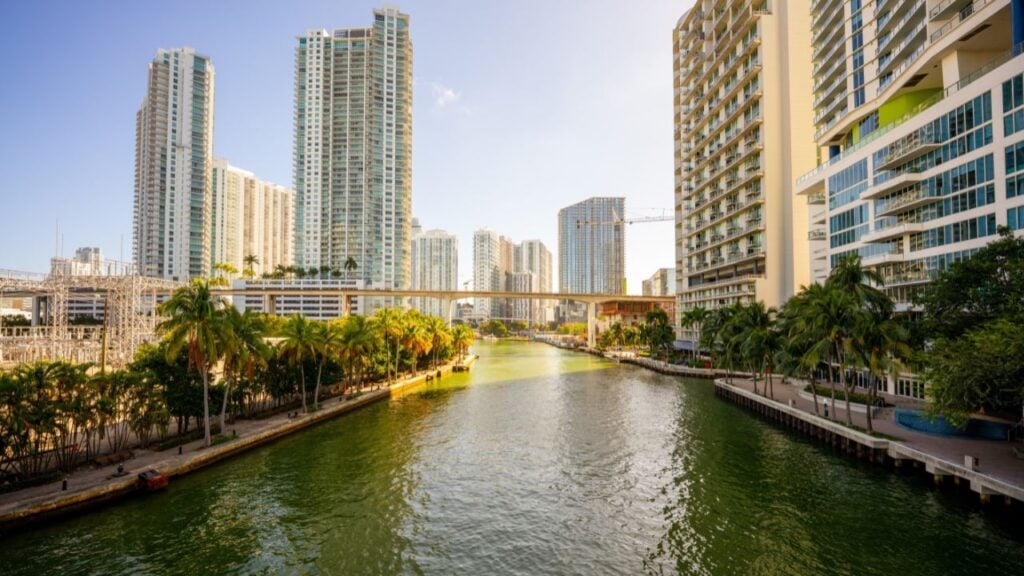
Not every river in Florida is a good place to swim.
These are the Florida rivers people refuse to swim in.
7 Florida Rivers Floridians Refuse to Swim In
6 Costs Florida Condo Owners Get Hit With After a Milestone Inspection

A milestone inspection is only the first line on a condo owner's bill.
These are the costs that follow it.
6 Costs Florida Condo Owners Get Hit With After a Milestone Inspection
