
12 Sounds Every Floridian Can Identify With Their Eyes Closed

Close your eyes almost anywhere in Florida, and you can probably still tell where you are.
Floridians grow up with sounds so familiar they barely notice them anymore.
Here’s what’s behind those sounds, and where you’ve likely heard them.
1. Afternoon Thunder
Afternoon thunder is the sound of the rainy season, which the National Weather Service in Tampa Bay says runs from May 15 to October 15 in Southwest Florida.
For the rest of West Central Florida, the season starts May 25 and ends October 10.
The season starts when almost daily showers and thunderstorms set in.
Tampa has the most thunderstorm days on average in the country, at around 85 a year, according to a 2022 MacDill Air Force Base article.
If you hear thunder, you’re likely within striking distance of the storm.
The slogan for that moment is “When Thunder Roars, Go Indoors.”
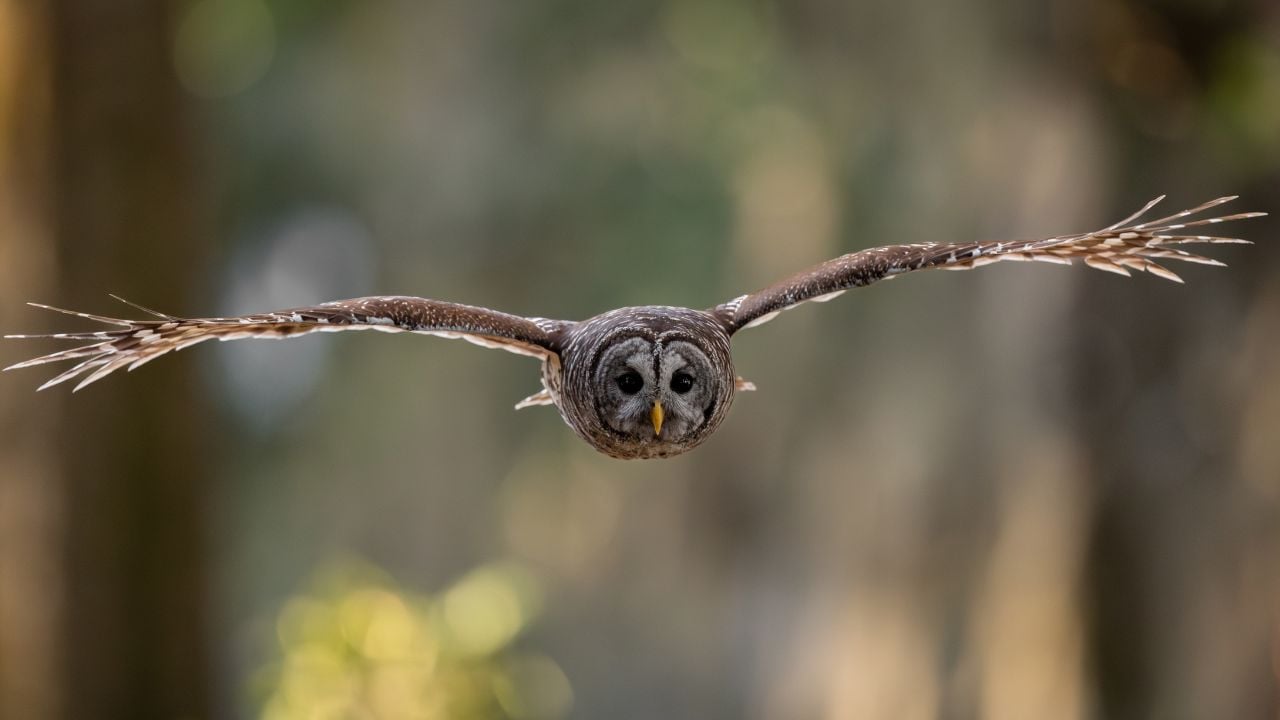
2. Barred Owl Hoots
The barred owl’s rich baritone hooting is a characteristic sound in southern swamps, according to Audubon.
Its call is a loud, barking “hoo, hoo, hoo-hoo.”
Members of a pair often call back and forth, so you may catch two owls trading hoots.
Although the owl is mostly active at night, you may hear it in the daytime too, since it will also call and even hunt then.
3. Daytime Cicadas
Cicadas are best known in Florida for loud calls during the day, usually from trees, according to University of Florida entomologists.
Female cicadas are mostly mute.
So the loud cicada you hear overhead is probably a male.
Florida has 19 known cicada species.
You can readily identify the species by their songs.
Some cicada songs are reminiscent of noises made by power tools.
That may account for occasional reports from homeowners and contractors that cicadas are attracted to their lawnmowers and outdoor power saws.
4. Mockingbirds After Dark
The northern mockingbird’s song is a long series of musical and grating phrases, each repeated three or more times, according to Audubon.
The Legislature made it Florida’s state bird in 1927.
It also regularly sings at night and often imitates other birds.
That means a call you think you know after dark may belong to a mockingbird.
Nesting begins by late winter in southern areas.
During nesting season, you can hear the song all day and often all night as well.
5. Green Treefrogs
Male green treefrogs call at night from March through October, sometimes repeating their “quoonk-quoonk” as often as 75 times a minute, according to a University of Florida extension agent.
That’s over one a second.
The Florida Museum of Natural History says the green treefrog has modified its call because the invasive Cuban treefrog has a similar mating call.
That gives females a better chance of identifying the right males.
If you leave a porch light on, you may find green treefrogs around it, since they’re very common there, eating the bugs it attracts.
6. Limpkin Wails
Audubon says the limpkin draws attention with piercing wails, a sound often heard at dawn or at night.
Its call is a loud, wailing “krrr-eeeow.”
In Florida, you’ll find limpkins in open freshwater marshes, along the shores of ponds and lakes, and in wooded swamps along rivers and near springs.
If you’re near any of those spots at dawn or after dark, you may hear a limpkin.
7. Rocket Sonic Booms
A sonic boom sounds much like an explosion or loud thunder, according to NASA.
SpaceX said ahead of April 2025 launches that residents of nine counties might hear one or more sonic booms during the booster landings.
Those counties included Brevard, Orange, Polk and Okeechobee.
The landings were planned for Cape Canaveral Space Force Station, around eight minutes after liftoff.
Then you might hear the boom.
What you hear depends on the weather and other conditions.
8. Chuck-will’s-widow Calls
The chuck-will’s-widow sings its name in a rich, throaty chant, a sound that echoes through southern woodlands on summer nights, according to Audubon.
The song is a mellow “chuck-will’s-widow,” repeated over and over.
If you listen closely, you’ll hear the chuck deep and low and the rest of the call whistled.
You’ll rarely see the bird by day, since its dead-leaf pattern offers good camouflage on tree limbs and the ground.
Psst! How much do you know about the animals behind these sounds? Take our quiz and see if you can ace it.
Quiz
Behind the Sound
Answer ten questions about the animals behind these sounds. We bet you can’t get them all right. Prove us wrong?
In much of the eastern U.S., periodical cicadas appear every 13 or 17 years. How many per acre does the University of Florida say they can reach?
9. Barking Treefrog Calls
Barking treefrogs are known for a loud, barking call, according to the Florida Museum of Natural History.
They're the largest native treefrogs in Florida.
If you're walking through swampy woods or pinelands near standing water, you're in the habitat where they generally live.
Their range is statewide except for the Everglades and Keys.
In the coldest winter months, they hibernate by burrowing into sandy soil or hiding in tortoise and mouse burrows.
10. Boat-Tailed Grackles
The boat-tailed grackle makes a harsh sound that Audubon writes as “jeeb-jeeb-jeeb-jeeb.”
Its call types include buzzes, chatters and rattles.
Boat-tailed grackles nest in noisy colonies, where males display with wing-fluttering and harsh repeated calls.
Elsewhere the species seldom strays far from tidewater.
In Florida, it also lives well inland, generally near marshes and lakes.
If you're beside an inland marsh or lake, a boat-tailed grackle may be the bird you're hearing.
11. Alligator Bellows
A male alligator's bellow is a low-pitched growl, according to a 2025 report from Central Florida Public Media.
Males use it during courtship to signal to females in the area that they're looking for a mate.
They also bellow to establish dominance over other males in a territory.
The Florida Fish and Wildlife Conservation Commission says courtship begins in early April, with mating in May or June.
If you're by a freshwater lake or slow-moving river, you may hear that bellow, since that's where alligators prefer to live.
12. Sandhill Crane Bugles
Sandhill cranes give loud, rattling bugle calls, according to the University of Florida's Thompson Earth Systems Institute.
If you've lived in central or south Florida long enough, you've probably heard them, even if you haven't spotted a crane.
The Florida Fish and Wildlife Conservation Commission says large flocks of northern cranes move in during November and December and leave in March and April.
About 25,000 greater sandhill cranes, which nest in the Great Lakes region, make up those flocks.
They join a resident Florida sandhill crane population of 4,000 to 5,000 birds.
The institute says it's against the law to harass or kill a Florida sandhill crane, a state-threatened species.
If you see cranes near your home, never feed them.
7 Florida Rivers Floridians Refuse to Swim In
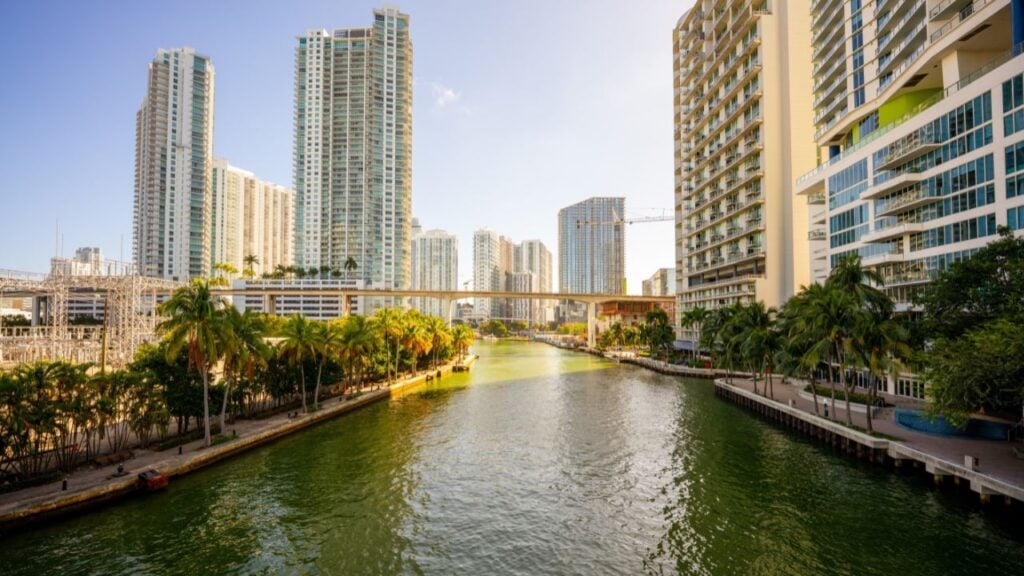
Many Florida rivers look inviting from the bank.
Ask a local why.
7 Florida Rivers Floridians Refuse to Swim In
8 Florida Small Towns That Change Completely in October
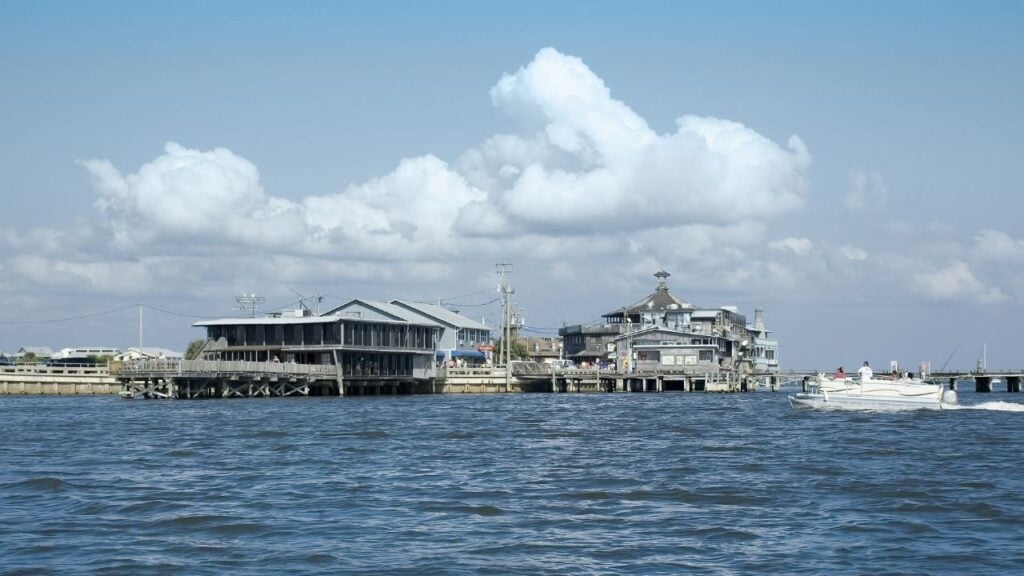
October turns a handful of sleepy Florida towns into somewhere else.
It happens fast.
