

6 Things Florida Homeowners Can Do When the House Next Door Becomes a Vacation Rental

Another unfamiliar car pulls into the driveway next door, and you start to wonder what’s going on with your neighbors.
Floridians living beside a vacation rental may have more options than they expect to protect themselves, and the best one depends on what’s bothering you.
Here’s where to start, beginning with the simplest step.
Note: This is general information, not legal advice. Vacation rental rules, local ordinances and association rules are subject to change.
1. Searching the Vacation Rental Database
A vacation rental needs a state license before it starts operating, and you can check whether the house next door has one.
The Department of Business and Professional Regulation (DBPR) keeps a searchable online database of licensed vacation rentals.
The database gives the address of every vacation rental condo or dwelling that’s currently licensed, and it refreshes daily.
Search it for the address next door.
A missing address doesn’t prove the rental is unlicensed, since the information comes from DBPR’s licensees.
2. Filing a DBPR Complaint
State law classes a vacation rental as a transient public lodging establishment.
DBPR’s complaint page for transient lodging lists a phone line at (850) 487-1395.
The department also takes lodging complaints through an online form.
It can enforce balcony railing safety, pests in rooms and unlicensed activity.
Guest behavior and noise are things it can’t enforce.
State law lets DBPR fine an operator who runs without a license.
If you spot a missing license or an unsafe balcony railing at the house next door, DBPR is the agency to tell.
3. Reporting Noise and Parking Locally
DBPR’s complaint page says to contact the local government about local laws and ordinances, so noise and parking at a vacation rental start with your city or county.
Florida’s code enforcement law says a person who reports a possible violation must give a name and address to the local government before an enforcement case can start.
An imminent threat to public health, safety or welfare is the exception.
Otherwise, a code inspector can’t start a case from an anonymous complaint, so expect to give your name and address when you file.
If the inspector finds a violation, the violator gets a reasonable time to correct it.
If the violation continues, the inspector asks the code enforcement board for a hearing.
Write down the date and time of each incident before you file.
Psst! How much do you know about Florida vacation rental laws? Take our quiz and see if you can ace it.
Quiz
Rental Rules IQ
Answer these questions on vacation rental licensing, fines and local rules. We bet you can’t get them all right. Prove us wrong?
What level of crime is it to open a public lodging establishment in Florida without a license?
4. Checking for Grandfathered Rules
Florida's vacation rental law bars cities and counties from prohibiting vacation rentals or regulating how long or how often they rent.
A 2016 Attorney General opinion says an ordinance that requires distances between vacation rentals or limits their number could amount to a prohibition.
But the ban doesn't apply to any local rule adopted on or before June 1, 2011.
So an older local rule can still apply to the house next door.
Look up when your city or county adopted its rules on rentals, and compare that date with June 1, 2011.
Whether a rule in your area holds up under the state law is a legal question.
What Local Governments Still Handle
Florida's vacation rental law leaves building code and fire code inspections of rentals to local governments.
A local rule tied only to property value is also outside the state ban.
That applies when the state land planning agency must approve the rule for an area of critical state concern.
5. Enforcing Your Covenants
Read your homeowners' association (HOA) declaration first to see whether it restricts vacation rentals at all.
If the vacation rental next door sits in an HOA community, Florida's HOA law says each member's tenants and guests must follow the governing documents.
Under the same law, the association or any member can bring a legal action over a violation.
That action can name a member, or the tenants and guests using the parcel.
The winner can recover reasonable attorney fees and costs, so a loss can cost you the other side's bills too.
6. Suing to Stop a Nuisance
If you think a vacation rental next door is a nuisance, Florida law lets any citizen of the county sue in the name of the state to stop it.
The nuisance statute defines a nuisance to include a building or place that tends to annoy the community.
Whether a vacation rental next door fits that definition is a question for a judge.
If you file, the suit can name the person maintaining the place and the property owner or agent.
A judge can also grant a temporary injunction without a bond once proper proof is made.
Pinellas County's Rental Rules
Pinellas County adopted a short-term rental ordinance for its unincorporated areas in March 2025, according to the county.
Short-term rentals there have set noise hours from 10 p.m. to 9 a.m.
Each rental needs one off-street parking space for every three guests.
A safety inspection comes before the county issues a certificate, and rentals are reinspected every two years.
If you live in unincorporated Pinellas County, you can take noise complaints to the sheriff's office or the county's short-term rental hotline.
The 2024 Rental Bill Veto
Senate Bill 280, a 2024 vacation rental bill, was vetoed by Gov. Ron DeSantis on June 27, 2024.
The House had passed it 60-51, and the Senate concurred 23-16.
The bill would have added licensing to the vacation rental activities that are preempted to the state.
DeSantis objected that it took a one-size-fits-all approach and would have blocked nearly all local regulation, according to Fox 13.
Senator Nick DiCeglie, the bill's sponsor, said in September 2024 that he wouldn't put his name on a 2025 version.
A similar House bill, House Bill 1537, would have let local governments adopt vacation rental registration programs.
The House laid that bill on the table on March 5, 2024.
6 Costs Florida Condo Owners Get Hit With After a Milestone Inspection
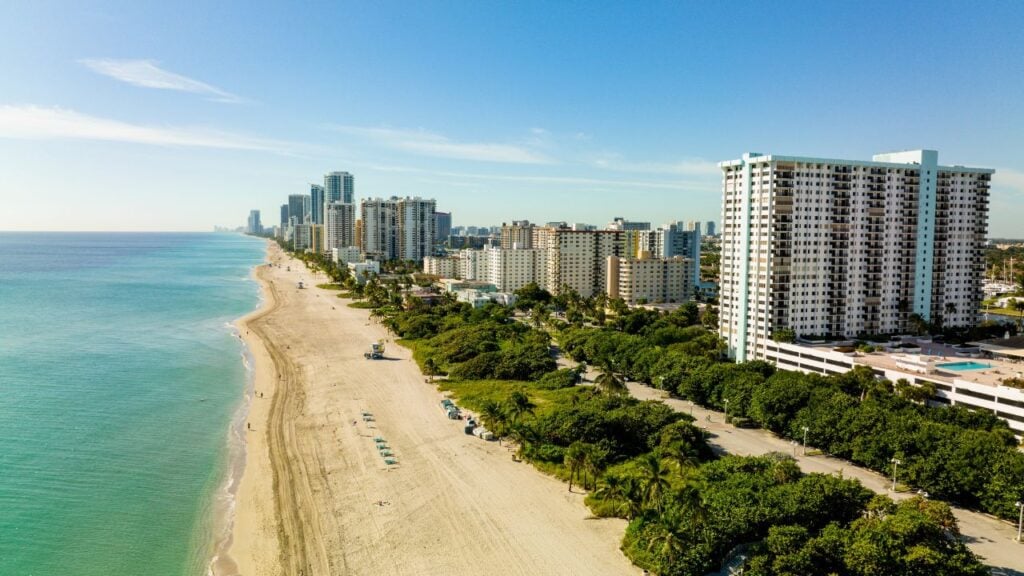
A milestone inspection can start a chain of bills for condo owners.
The inspection itself is the cheap part.
6 Costs Florida Condo Owners Get Hit With After a Milestone Inspection
5 Florida State Park Rules Visitors Break Every October
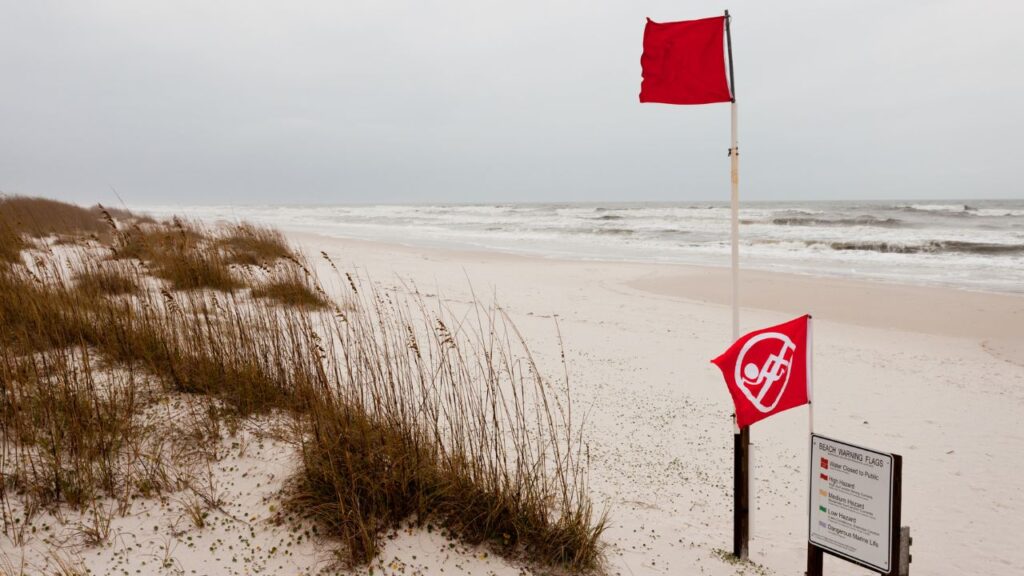
October brings a different set of rules to Florida state parks.
These are the rules that catch visitors off guard.
