
12 Frugal Boomer Habits Younger Pennsylvanians Laugh at Until They Try Them

There’s probably someone in your family who saves things you’d toss without thinking.
With prices where they are, younger Pennsylvanians may find those old-school habits make more sense than they used to.
Here are the frugal habits that can still save you money today.
Note: This is general information, not financial or medical advice. Prices, rates and savings figures are subject to change.
1. Eating Leftovers
The Environmental Protection Agency (EPA) says the average family of four spends almost $3,000 a year on food that goes uneaten.
You keep part of that money by putting cooked extras in dated containers so you spot them before they spoil.
Planning your week’s meals before you shop helps too because you buy only what those meals need.
You can also freeze bread, sliced fruit, meat or leftovers that won’t be eaten in time.
2. Turning Down the Thermostat
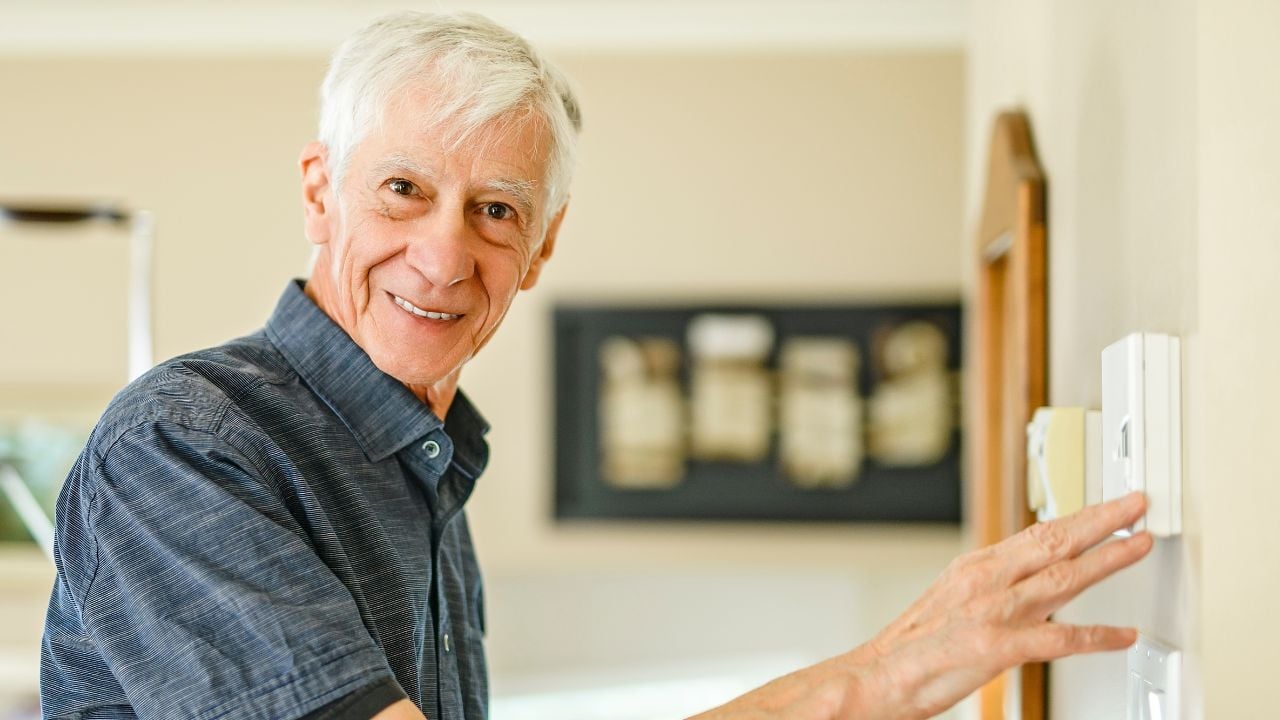
Pennsylvania’s Public Utility Commission says every degree you raise or lower your thermostat can change your energy costs by up to 3%.
You can program your thermostat to drop the temperature while you’re asleep or out of the house.
If your winter energy bill is $200, dropping the setting three degrees could cut up to $18 from that month.
3. Packed Lunches
Packing your lunch beats buying one on price.
A packed sandwich, fruit, drink and snack comes to about $3, according to an economist’s review of grocery receipts that Scripps News reported in July 2026.
A fast-food combo costs $8 to $14.
If you pack lunch on 200 workdays instead of buying an $8 combo, you keep about $1,000 a year.
In 2024, the average U.S. consumer unit spent $3,945 on food away from home.
What the $3,945 Counts
The $3,945 behind this frugal habit is an average per consumer unit, not per household.
A consumer unit can be a family under one roof, a person living alone or two unrelated people who pool their income.
So the average blends one-person budgets with family budgets, and your bill may land above or below it.
4. Store-Brand Groceries
Store-brand groceries typically cost you 25% to 30% less than their name-brand counterparts.
If you spend $100 on name-brand groceries, switching them to store brands could bring that bill to roughly $70 to $75.
5. Paying the Credit Card in Full
Paying your credit card in full by the due date typically means you owe no interest on new purchases.
Across U.S. commercial banks, accounts that were charged interest averaged 22.32% in 2025.
If you carried a $1,000 balance for a year at that rate, you’d owe about $223 in interest, before compounding.
Cash advances are the exception because interest generally starts on the date of the transaction.
6. Fixing Every Drip
Fixing a dripping faucet stops a leak that wastes more than 3,000 gallons a year if it drips once a second.
The average household’s leaks can waste more than 9,300 gallons a year.
Fixing the easy ones can cut about 10% off your water bill.
Applied to the $1,300 a year the average family spends on water, that comes to roughly $130 you keep.
7. Proper Tire Pressure
Checking your tire pressure is a small chore with a measurable payoff.
Under-inflated tires lower your gas mileage by about 0.2% for every 1 pound per square inch (psi) the average pressure drops.
If your tires sit 5 psi low, that takes about 1% off your mileage.
Keeping tires at the proper pressure can improve your gas mileage by 0.6% on average, and by up to 3% in some cases.
8. In-Network ATMs
An out-of-network ATM withdrawal cost $4.86 on average in Bankrate’s 2025 fee study: $3.22 from the ATM owner and $1.64 from your bank.
Skipping out-of-network ATMs keeps both fees off your withdrawal.
If you make two such withdrawals a month, that adds up to about $117 a year.
A growing number of online banks and brokerages reimburse ATM fees regardless of the machine you use.
9. Easing Back on the Gas
Easing back from 70 mph to 60 mph is like cutting about 42 cents off every gallon of gas, using FuelEconomy.gov’s rule of thumb.
That rule says each 5 mph you drive over 50 mph is like paying an additional 21 cents a gallon.
Speeding, rapid acceleration and hard braking can lower your gas mileage by roughly 15% to 30% at highway speeds.
10. Asking for Generic Drugs
Asking for generic drugs starts with a conversation because the Food and Drug Administration says you can talk with your doctor or pharmacist about generic medicines.
Generic medicines tend to cost less than their brand-name counterparts and are typically sold at substantially lower prices.
Prices also fall as more generic makers compete for the same drug.
A single generic competitor can lead to price reductions of 30%, and five competing generics are associated with drops of nearly 85%.
11. Turning the Engine Off
Turning your engine off beats idling, which can use a quarter to a half gallon of fuel an hour, depending on engine size and air conditioner use.
Restarting takes only about 10 seconds’ worth of fuel.
So any shutdown longer than a minute saves money, FuelEconomy.gov says, as long as you keep to about 10 engine starts a day.
That limit doesn’t apply to vehicles with a start-stop system.
Psst! How much do you know about household money? Take our quiz and see if you can ace it.
Quiz
Household Money IQ
Answer these questions on credit reports, refunds, taxes and the penny. We bet you can’t get them all right. Prove us wrong?
In fiscal 2024, about how much did it cost the U.S. Mint to make a single penny?
12. State Park Day Trips
A day at a Pennsylvania state park comes with no entrance fee.
Most New York State Parks charge a vehicle use fee of $6 to $10 for day use.
If you make ten day trips a year, New York's $6 to $10 fee would come to $60 to $100 you wouldn't pay at a Pennsylvania park.
Reservations and registrations are another matter because you pay a $6.50 non-refundable transaction fee on each.
7 Costs a Pennsylvania Executor Pays Before Anyone Inherits
Settling a Pennsylvania estate means paying several bills.
Some of those bills come due early.
7 Costs a Pennsylvania Executor Pays Before Anyone Inherits
12 Things in Pennsylvania's Woods That Are Worse Than Pennsylvanians Think
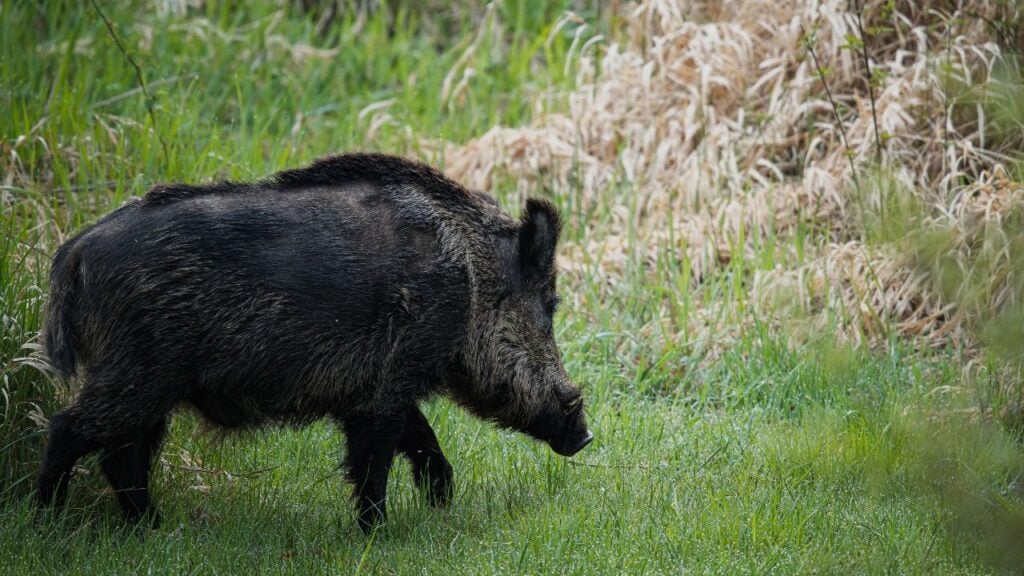
Pennsylvania's woods have more to watch for than a pretty view.
Some of it is worse than you'd think.
12 Things in Pennsylvania's Woods That Are Worse Than Pennsylvanians Think
