
6 Snow Shoveling Rules That Can Cost Coloradans a Fine

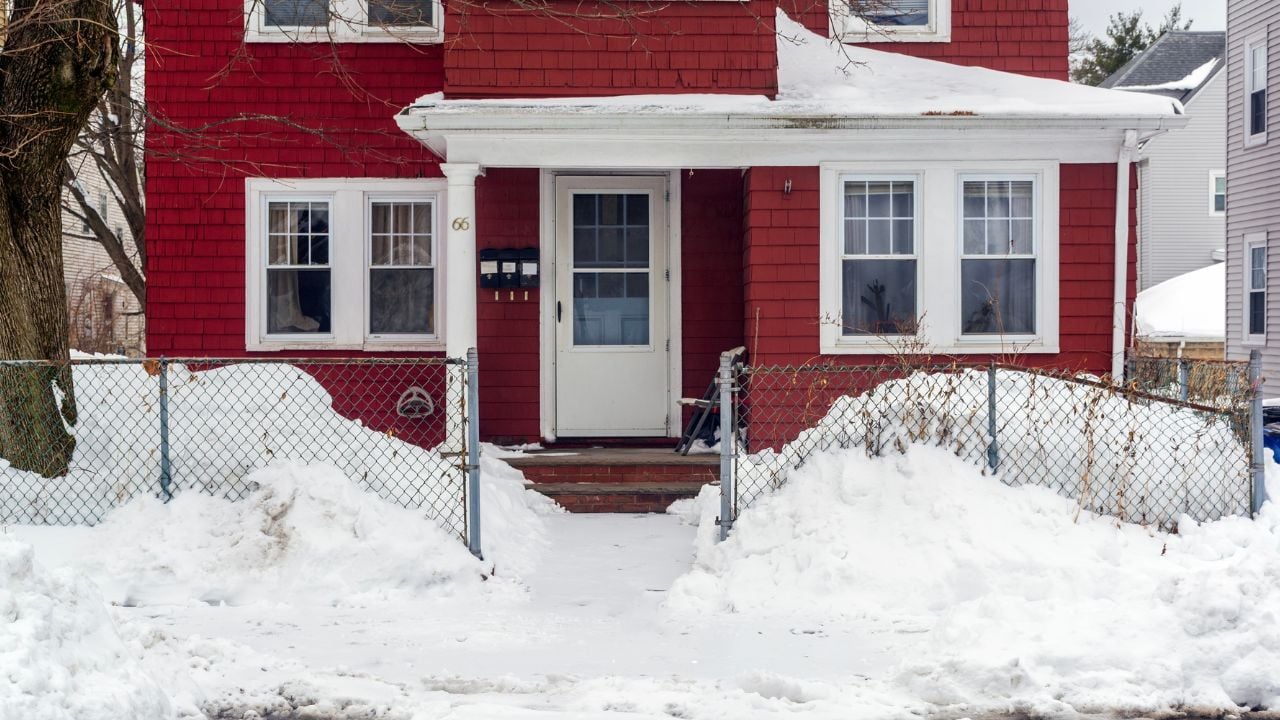
Fresh snow looks great right up until you remember the sidewalk in front of your house is yours to clear.
In many Colorado cities, you’ve got about a day to get it done, and missing it can cost anything from a modest fee to a bill in the thousands.
Here’s how the snow shoveling rules compare across Colorado cities, so you know when to grab the shovel.
Note: This is general information, not legal advice. Snow removal rules and penalties are subject to change.
1. Aurora’s Repeat Fees
If your sidewalk stays buried, Aurora’s snow removal rule adds an administrative fee of $25 for a single-family home and $50 for any other property.
Sidewalks have to be clear within 24 hours after a snowfall ends.
The fee is imposed after those 24 hours and again after 48 hours.
You also get 48 hours after the city declares a snow emergency.
When the city’s contractor clears the snow, the property owner or lender will be billed for all costs incurred.
Officers aren’t required to give a warning notice before they issue a snow ticket, per the city’s page.
2. Boulder’s $500 Fine
Boulder’s sidewalk snow rule sets a $500 maximum fine for a first or second conviction within two years.
A third conviction falls under the city’s general penalties.
The rule gives you no later than 24 hours after the snowfall or the formation of a snowdrift to clear the walk.
Boulder holds everyone responsible for the walk liable together, in criminal as well as administrative proceedings.
If you ignore a notice from the city, Boulder can clear the walk and bill you for the cost plus up to $50 in administrative costs.
Boulder can then send unpaid charges to the Boulder County Treasurer.
A separate rule bars you from plowing, shoveling or otherwise depositing snow onto a street or alley.
You do get a defense if you shoveled the snow directly from a sidewalk in front of a residence in a residential zone and it doesn’t impair vehicle traffic.
3. Fort Collins’ Property Charges
When a sidewalk in Fort Collins stays snowy, the city manager can have it cleared and add inspection and administration costs to the bill.
The city’s snow removal rule sets the deadline at 24 hours after snow and ice accumulate.
Those costs are assessed against the property.
After 30 days without payment, the amount can go to the county treasurer with a 10 percent penalty added.
The violation is also a civil infraction.
Fort Collins’ penalty page caps civil penalties at $2,650 and says the cap may be adjusted for inflation each January 1.
Each day counts as a separate violation.
Fort Collins also treats snow or ice piled on a parking space reserved for people with disabilities as a nuisance.
That applies when the pile blocks a vehicle from using the space.
If you don’t clear it after notice, the city can do the work and charge the cost to the property.
4. Lakewood’s 24-Hour Clock
Lakewood’s snow rule gives you 24 hours following the last buildup of snow or ice to clear public sidewalks and bikeways.
The city fines you $25 to $300 for breaking any part of that chapter.
Each day of a continuing violation counts as a separate violation.
The same chapter bars you from depositing snow or ice onto a public street, roadway, sidewalk, walkway, bikeway or emergency access lane.
That covers pushing the snow from your full driveway into the street.
It also bars piling snow against a fire hydrant or an official traffic control device.
Psst! How much do you know about Colorado winters? Take our quiz and see if you can ace it.
Quiz
Rocky Mountain Snow Quiz
Answer these questions on Colorado’s winter and snow history. We bet you can’t get them all right. Prove us wrong?
Denver’s record one-storm snow total of 45.7 inches came in which year?
5. Westminster's Fine and Cleanup Bill
Westminster can fine you up to $2,650 for a civil violation of its sidewalk snow rule, with each day counting separately, according to the city's penalty page.
Westminster's sidewalk snow rule makes it unlawful to leave snow or ice on a public sidewalk after 24 hours of the last measurable snowfall or snowdrift.
If the snow stays after notice, the city can clear the sidewalk at your expense.
The city can then put a lien on the property for that cost, which is a legal claim against it.
Anyone who's injured can also sue the person who failed to comply for damages, and that could be you.
6. Denver's Unlisted Fine
Denver's sidewalk snow rule puts the shoveling on the owner, the occupant or the owner's agent.
The code starts the clock immediately after every snowfall, while Aurora waits for the snowfall to end before its 24 hours begin.
Violating that duty is unlawful, but the rule lists no fine.
Denver's general penalty page fills the gap by making it a criminal violation that carries up to $999, 300 days in jail or both.
Each day the violation continues counts as a separate offense.
In practice, Denver7 reported in March 2024 that inspectors leave a time-stamped notice first and have fined $150 after it.
Businesses get 4 hours after that notice, and residences get 24.
If you rent, ask who handles the walk before the first storm.
You must also keep the strip between your property line and the gutter in a clean condition.
Denver also makes it unlawful to dump snow or ice from private property into a street, alley or public place.
9 Things That Confuse Everyone Who Moves to Colorado

Moving to Colorado comes with surprises, and this read covers what confuses many new arrivals.
