
7 Vermont Foods That Taste Best After the First Frost

Don’t rush to clear your garden after the first frost, because some of what’s still out there just got better.
Parsnips, kale and a handful of other crops turn sweeter in the cold, so what’s left in your garden could be the best of the season.
Here’s what to leave in the ground, what to pick after the first frost, and when the cold finally ends the harvest in Vermont.
1. Gilfeather Turnips
Vermont’s state vegetable, the Gilfeather turnip, gets super sweet after the first frost, a volunteer in the push to name it told Vermont Public in 2016.
The cold pushes the turnip to build up sugars, and sugary water has a lower freezing point than plain water.
If you don’t like the back-of-the-throat bite of a regular turnip, a Gilfeather doesn’t have it.
Instead, you get a turnip that is sweet and creamy.
2. Brussels Sprouts in the Cold
Brussels sprouts taste best when you pick them after the cold turns them from smelly to sweet.
Penn State Extension says a light frost converts the starches in Brussels sprouts into sugar.
The plants keep producing right into winter, so you can keep picking after a frost.
Henry Homeyer writes a gardening column for Vermont’s Chester Telegraph from his home in Cornish Flat, New Hampshire.
In some years, he has picked Brussels sprouts until late December in his New Hampshire garden, despite snow and cold.
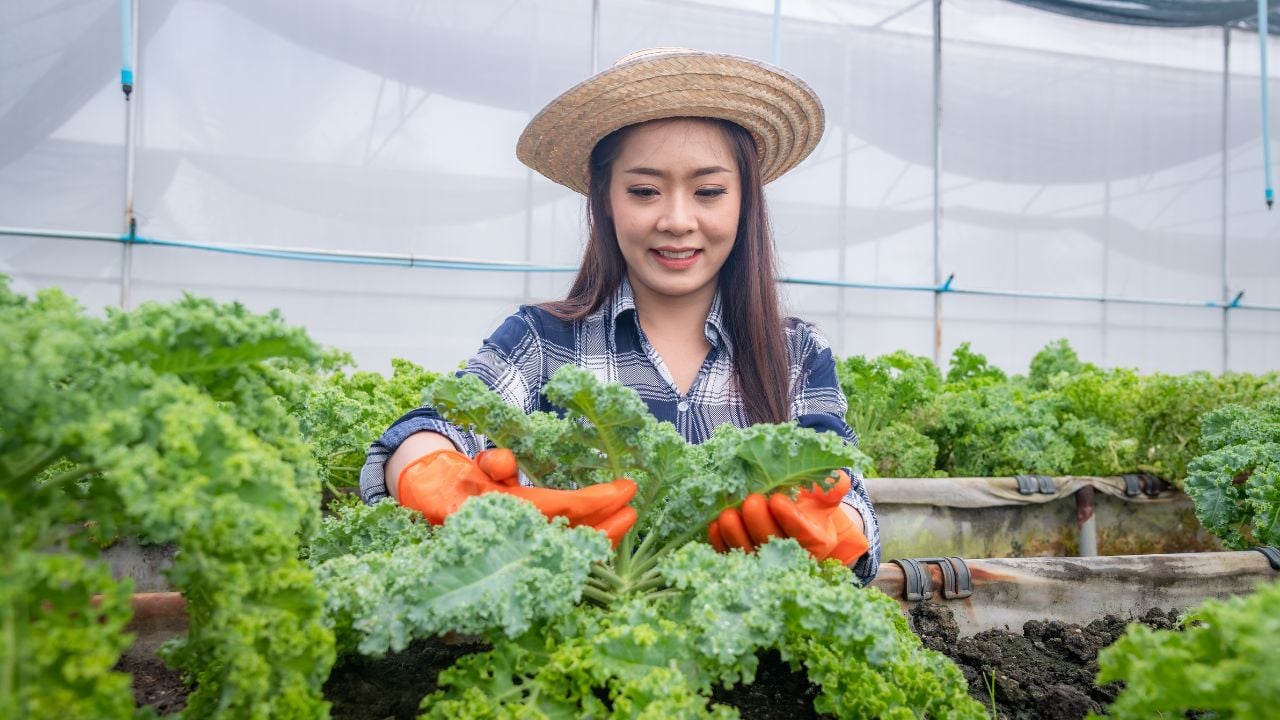
3. Kale Through Hard Frosts
After a frost, kale’s flavor sweetens and its texture gets tender.
During the cool days of autumn, kale keeps growing and develops a sweeter taste, University of Vermont (UVM) Extension says.
Kale tolerates frost, so a cold night won’t end your harvest.
Homeyer agrees that a few hard frosts sweeten kale up.
In his New Hampshire garden, he often has kale until Christmas if the deer don’t eat it after the first snowfall.
4. Parsnips Left in the Ground
Parsnips improve in flavor after a frost, Illinois Extension says.
When roots are exposed to cool temperatures, their starches turn into sugars, and two weeks of near-freezing weather produces better flavor.
In Vermont, one gardening column describes covering roots still in the ground with a foot or two of hay or straw in November.
That columnist harvests through winter by digging through the snow and mulch.
By late winter, parsnips get sweet and caramelize when you roast or saute them.
In his New Hampshire garden, Homeyer leaves many parsnips in the ground each fall because they taste sweeter in the spring.
5. Carrots Under Cover
Carrots are among the roots that get sweet with frost.
When you pick roots sometime after autumn’s first frost, chances are good they will taste a lot sweeter.
If killing frosts are predicted, cover your carrots with heavy row covers or hay mulch.
That way, you’ll have sweet-tasting carrots from your garden right into winter.
6. Rutabagas After a Frost or Two
If you grow rutabagas, they taste sweeter once they’ve gone through a frost or two.
Traditional rutabagas have a reputation for a slightly bitter flavor.
Minnesota Extension says frost improves their flavor, so many gardeners wait until after at least one hard frost to dig them up.
You can leave rutabagas in the ground into October or even later.
7. Spinach in a Cold Snap
If you grow spinach, extension sources in Maine and New Hampshire both say it tastes better after the cold.
University of Maine Cooperative Extension says some crops, spinach among them, gain flavor after light frosts as their starches convert to sugars.
In an audio blog, a University of New Hampshire Extension specialist says veggies, spinach among them, are sweeter if harvested after a cold snap.
The First-Freeze Calendar
Your first freeze depends on your valley, and NWS tracks the difference.
Its analysis covers 30 years of freezes at or below 32 degrees Fahrenheit.
In northeast Vermont, the earliest freezes arrive in sheltered valleys such as Island Pond and Sutton, typically in mid-September.
Larger basins such as Newport and St. Johnsbury follow in the last week of September into the first week of October.
Central Vermont typically gets its first freeze from the second half of September into the first week of October.
In the first two weeks of October, the Champlain Valley typically gets its first fall freeze.
At South Hero, the typical first freeze comes in mid to late October.
Depending on where you live, UVM Extension puts the average frost date anywhere from early September to late October.
Psst! How much do you know about Vermont’s farms and fall harvest? Take our quiz and see if you can ace it.
Quiz
Vermont Harvest IQ
Answer these questions on Vermont farms, first freezes and fall harvests. We bet you can’t get them all right. Prove us wrong?
Which Vermont governor signed the bill naming the Gilfeather turnip the state vegetable in 2016?
Limits of Cold-Hardy Crops
Frost doesn't end the harvest, but even cold-hardy plants stop growing once temperatures drop, UVM Extension says in Cheating the Season.
They eventually go dormant, but you can still harvest leaves and roots for a time.
Cold-hardy salad greens such as kale, Swiss chard and spinach, and root crops such as carrots and beets, are good candidates for a cold frame.
A cold frame can add two weeks or more to your season past the first frost.
9 Fall Hazards Vermont Dog Owners Underestimate Every October
A leashed dog lunges at something moving in the trees.
Fall brings some hazards that many Vermont dog owners underestimate.
9 Fall Hazards Vermont Dog Owners Underestimate Every October
Why Vermont General Stores Keep Losing Their Owners
Country stores anchor many small Vermont towns.
The reasons owners walk away are worth knowing.
