
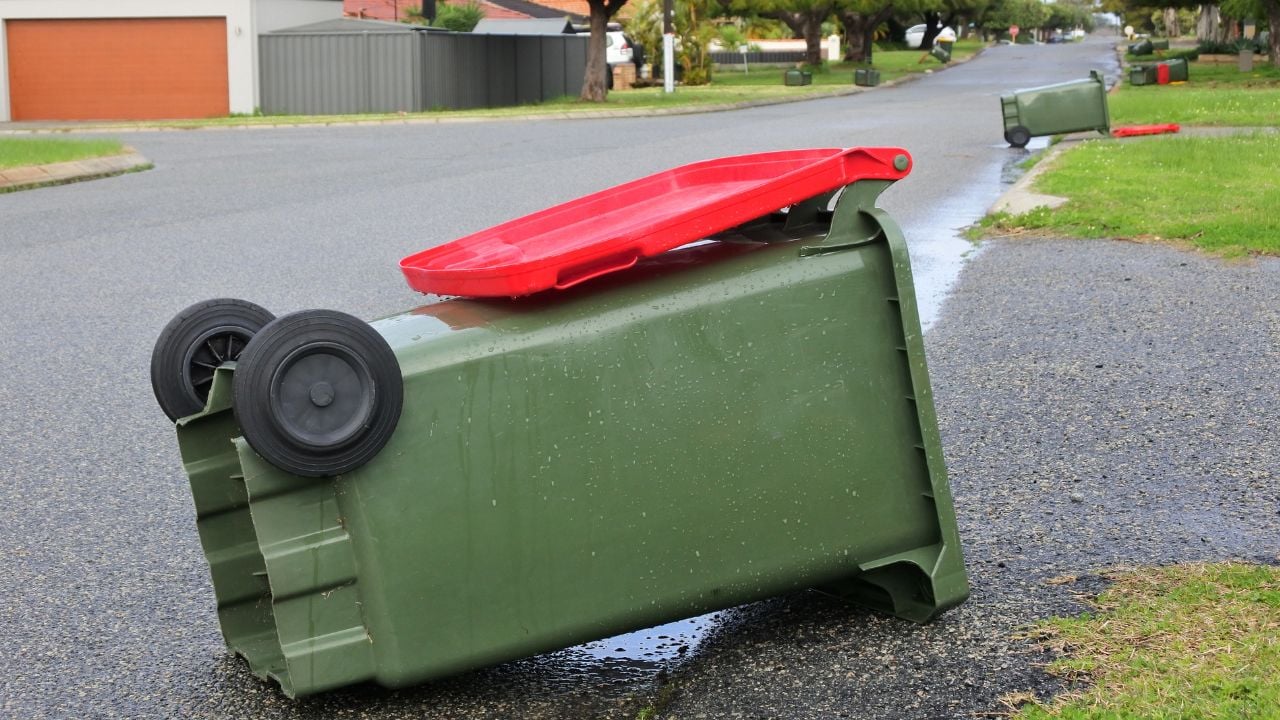
6 Things Georgians Can’t Legally Toss in a Household Garbage Bin

Pool chemicals, kerosene and old fluorescent bulbs all look like trash on garbage day.
But in Atlanta, they’re on the list of things that can’t go in your bin.
Here’s what Georgians should keep out of their household garbage can, and what a mistake could cost, depending on where you live.
Note: This is general information, not legal advice, and local codes are subject to change.
1. Yard Trimmings
In Forsyth County, it’s unlawful for you to place or mix yard trimmings with other solid waste.
You have to use separate bags or containers there.
Plastic bags aren’t allowed.
In unincorporated DeKalb County, yard trimmings can’t be placed in or mixed with municipal solid waste.
Atlanta lets single-family homes set yard trimmings out for separate curbside collection, but not in the containers designated for garbage or recyclables.
Athens-Clarke County makes it unlawful to place or mix leaf and limb material with solid waste.
In Kennesaw, yard debris can’t be mixed with household garbage or placed in garbage containers.
The State’s Landfill Rule
Georgia law bars owners and operators of municipal solid waste landfills from disposing of yard trimmings in those landfills.
The exceptions include construction and demolition landfills, inert waste landfills and lined landfills that put landfill gas to beneficial use.
Each city, county or solid waste management authority can impose restrictions on yard trimmings in its area.
2. Lead-Acid Batteries
Georgia’s solid waste rules prohibit several wastes from disposal at solid waste disposal facilities.
Lead acid batteries come first.
The rules deem both a generator who disposes of a prohibited waste and a person who accepts it for disposal to be in violation.
In Athens-Clarke County, you can’t place vehicle batteries in the receptacles your collection provider services.
Atlanta’s list of automotive household hazardous materials includes batteries and battery fluids, which are prohibited from disposal as municipal solid waste.
In unincorporated Henry County, batteries are an excluded item, and you can’t place an excluded item into the waste stream.
3. Liquid Paint
Atlanta lists latex paint and solvent-based paint among the household hazardous materials prohibited from disposal as municipal solid waste.
Decatur collects empty paint cans.
It collects cans of dry paint too, including paint solidified with sand or pet litter.
The city won’t collect liquids at all, and disposing of them properly is up to you.
In unincorporated DeKalb County, liquids aren’t collected either, so you have to dispose of them by other means.
Psst! How much do you know about trash and recycling? Take our quiz and see if you can ace it.
Quiz
Trash and Recycling IQ
Answer these questions on trash, recycling, and landfills. We bet you can’t get them all right. Prove us wrong?
How much municipal solid waste did the average American generate per day in 2018, according to the U.S. Environmental Protection Agency (EPA)?
4. Scrap Tires
Scrap tires can't go to a Georgia landfill unless they've been shredded, chopped or chipped, under the state's scrap tire law.
An exception covers you if you bring fewer than five scrap tires to a landfill along with your solid waste.
That exception covers landfills, not curbside bins.
Athens-Clarke County lists tires among the items that can't go in the receptacles its collection provider services, so they stay out of your bin.
Henry County puts tires on the same excluded list, and a licensed hauler may pick them up for recycling.
5. Loose Needles and Syringes
Kennesaw requires you to put lancets, syringes and hypodermic needles in a rigid, leak-proof, puncture-resistant container with a secured and taped lid.
A sharp object that isn't properly containerized counts as special waste there.
Special waste can't be placed with your garbage for collection by public works.
In Athens-Clarke County, it's unlawful to dispose of needles and other sharp objects in any container of solid waste that a franchisee services.
6. Dangerous and Corrosive Materials
In unincorporated DeKalb County, it's unlawful for you to place acid, explosive material, flammable liquid or other dangerous or corrosive material in a refuse container.
Decatur makes it a violation to put the same materials in a refuse or recyclables container.
In Forsyth County, placing the same materials for collection is a violation, and you have to handle them under federal, state and local law.
Henry County bars you from placing them out for collection.
In Athens-Clarke County, it's a violation to dispose of toxic, caustic, contagious, explosive or otherwise hazardous waste in a receptacle without the collection service's knowledge and approval.
Atlanta's Longer List
If you live in Atlanta, the city's list of household hazardous materials prohibited from disposal as municipal solid waste runs well past batteries and paint.
Fluorescent lamps, kerosene and pool chemicals are on it.
So are smoke detectors, thermometers and thermostats.
Cleaners such as bleach, drain openers and oven cleaners are on the list as well.
Pesticides and lawn care products with pesticides are on the same list.
Atlanta's public works commissioner sets the procedures for disposing of household hazardous wastes properly.
What a Violation Costs
Athens-Clarke County sets a minimum fine of $25 for placing a prohibited item other than a dangerous one in a trash receptacle.
If you put a dangerous item in one, you face a minimum fine of $1,000 there.
Atlanta's municipal court can impose a fine of up to $1,000, up to six months in jail, or both for violating the city's solid waste chapter.
In Forsyth County, a conviction can bring a fine of $50 to $1,000, up to 30 days in jail or both.
Repeat offenders there pay more, with fines of $200, $500 and then $1,000 for later violations within 12 months.
In Henry County, a conviction for violating the solid waste ordinance can bring a fine of up to $1,000, 60 days in jail or both.
Each day a violation continues counts as a separate offense there.
8 Georgia Coastal Stops That Are Harder to Reach Than Visitors Expect

Some of Georgia's coastal stops take more planning to reach than you might expect.
See which eight made the list, and whether one of them is on your next trip.
8 Georgia Coastal Stops That Are Harder to Reach Than Visitors Expect
7 Foundation Problems That Blindside Georgia Buyers
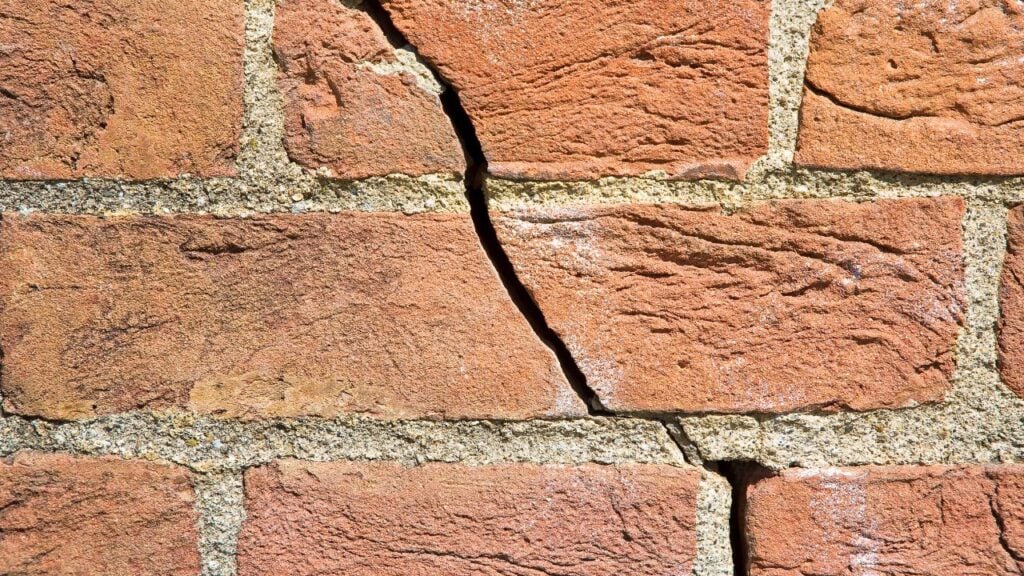
Georgia's red clay can hide problems under a house.
Find out which seven made the list.
