
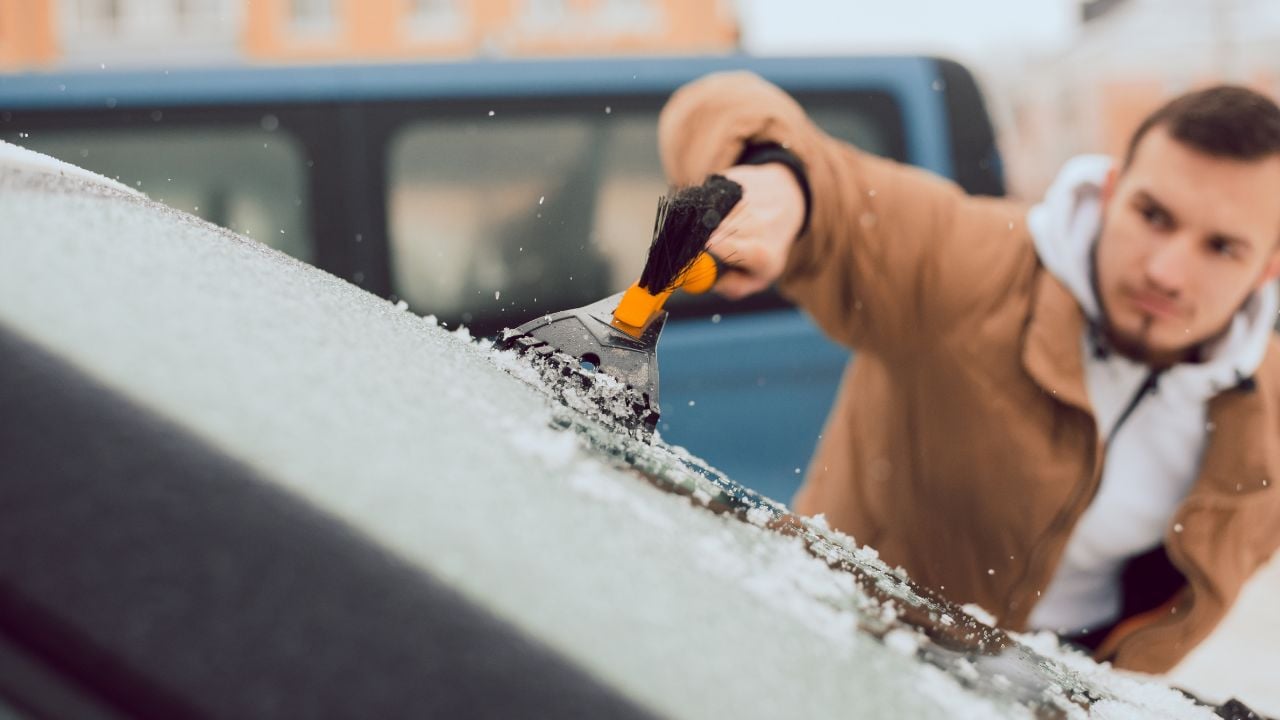
10 Montana Habits That Make Total Sense Once You’ve Lived Through a Montana Winter

In January 1972, the temperature in Loma, Montana, jumped from 54 below zero to 49 above in 24 hours.
That’s the kind of weather that explains why Montanans mount studded tires in the fall and keep one eye on the snowpack.
Here are the habits that get Montanans through the cold, and how you can learn from them before the first big storm.
1. Checking the Road Report
The Montana Department of Transportation (MDT) updates its winter road reports at least twice a day, or as major changes occur.
Travelers accessed the 511 website and mobile app more than 6 million times during the 2024-2025 winter season.
A lot of people check the report before they start the truck.
Before you leave, check your route at 511mt.net.
Never drive a closed road.
2. Giving Plows Room
If you come up behind a snowplow, slow down right away.
The snow cloud from one plow may hide additional plows in nearby lanes.
Don’t pass a plow unless it’s absolutely necessary.
Some drivers hang back.
3. Mounting Studded Tires
Studded winter tires are permitted in Montana from Oct. 1 to May 31.
Many people get their studded tires mounted in early fall.
MDT’s winter driving checklist says not to wait until the last minute to mount studded winter snow tires.
Also make sure all four tires are in good condition.
4. Using an Engine Heater
Many vehicles purchased in Montana come fitted with a block heater.
The cord hangs out of the grill or tucks just inside the hood.
When temperatures drop, the oil in your engine thickens and may cause added friction.
Keeping the engine warm can improve fuel efficiency, keep emissions lower and reduce wear and tear.
Montana State University Extension says to plug in when temperatures drop below zero degrees Fahrenheit.
Use a three-prong extension cord rated for outdoor winter use, and plug it in for two to four hours before you drive.
People who park outside often plug in before they head out.
5. Drilling a Test Hole
You can’t tell how thick ice is by looking at it, according to Montana Fish, Wildlife & Parks (FWP).
Drill a test hole and measure it to make sure it’s safe.
For ice fishing or other activities on foot, the minimum guideline for good, clear ice is 4 inches.
Stay off anything thinner.
Use caution when there’s snow on the ice, which can hide the ice condition.
Never walk out on river ice.
FWP’s Minimum Ice Thickness by Load
Here are the minimum ice thickness guidelines for good, clear ice.
The numbers rise with the weight on top.
For a snowmobile or all-terrain vehicle, the guideline is 7 inches.
The guideline for a small car is 10 inches, and for a larger vehicle, it’s 12.
FWP doesn’t recommend driving a small car or larger vehicle onto ice, and says the risk is yours if you do.
6. Dressing for Chinooks
In January 1972, a chinook sent Loma, Montana, from 54 below zero to 49 above in 24 hours.
The National Weather Service calls that 103-degree change the greatest ever recorded in the world for a 24-hour period.
Chinooks are strong downslope winds that blow mainly east of the Continental Divide and warm the air as it sinks.
People east of the Divide tend to dress in layers and keep a heavier coat in the truck.
You might leave home in a parka and shed it by lunch.
Bring your coat anyway.
Psst! How much do you know about Montana weather? Take our quiz and see how many you can get right.
Quiz
Montana Weather Extremes
Answer these questions on Montana’s records, chinooks and snow. We bet you can’t get them all right. Prove us wrong?
Rogers Pass set Montana’s record low in 1954. How cold did it get?
7. Watching the Snowpack
The Natural Resources Conservation Service reports on Montana's snowpack every month from January through June.
The Water Supply Outlook Report is out by the fifth business day of each month.
Each report covers precipitation, snowpack, temperature, streamflow and drought status, plus spring and summer water supply forecasts.
Many farmers and ranchers read them closely.
You can sign up for email notices when a new report comes out.
8. Stocking Livestock Feed
If your livestock have no shelter from wind or wet conditions, they need up to 30 percent more feed per day, according to Montana State University Extension.
A beef cattle winter coat protects against temperatures as low as 18 degrees Fahrenheit.
Your livestock need water or they won't eat.
To make sure they drink enough, supply water that's been warmed to at least 37 degrees Fahrenheit.
Breaking ice on a pond or creek once or twice a day may not be enough.
Some ranchers stock up before winter storms hit.
Plan on extra feed for treacherous times, such as when roads may be closed because of hazardous driving conditions.
9. Planning Around Daylight
On Dec. 21, you get about 8 hours and 40 minutes of daylight in Billings, with the sun up at 7:52 a.m. and down by 4:32 p.m.
On June 21, you get about 15 hours and 44 minutes, from 5:24 a.m. to 9:08 p.m.
That's about seven hours less in December.
Many people plan chores and drives around those hours.
10. Reading the Avalanche Forecast
The Gallatin National Forest Avalanche Center issues a daily avalanche forecast for about 1,720 square miles, including the Bridger, Gallatin and Madison Ranges.
Its area reaches the Lionhead area near West Yellowstone and the mountains around Cooke City.
The 2025-26 annual report recorded 529 avalanches, the most since the center began a detailed database in 2018-19.
People triggered 123 of them.
A lot of backcountry skiers and snowmobilers check the forecast before they head out.
You can call the forecast line at 406-587-6981 before you go.
8 Montana Habits That Place Someone East or West of the Divide
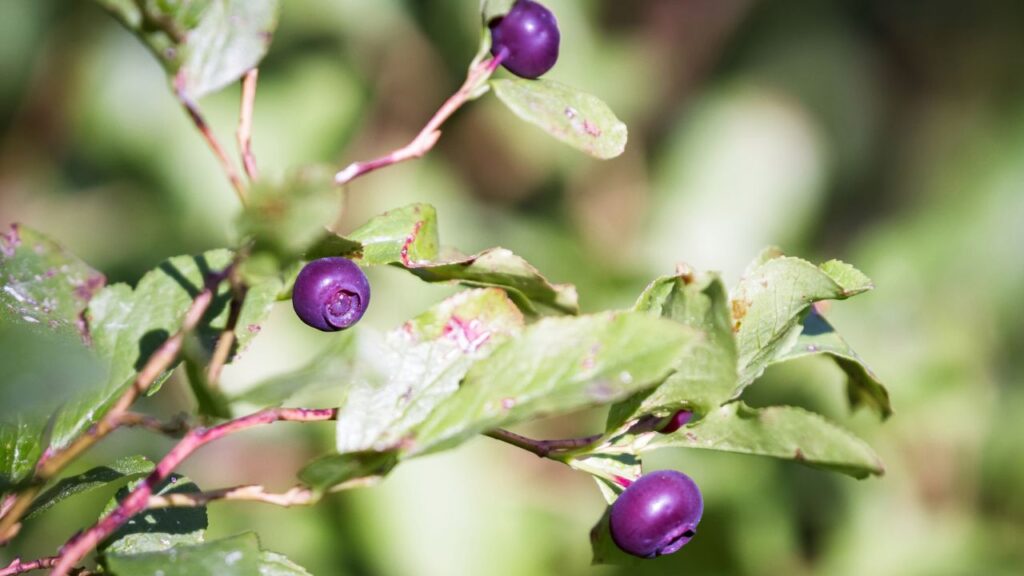
Where you live in Montana can change your routine.
Some habits depend on which side of the Divide you live on.
8 Montana Habits That Place Someone East or West of the Divide
9 Things Out-of-Staters Get Wrong About Montana
Montana is harder to figure out than it looks.
Here's what many out-of-staters miss.
