
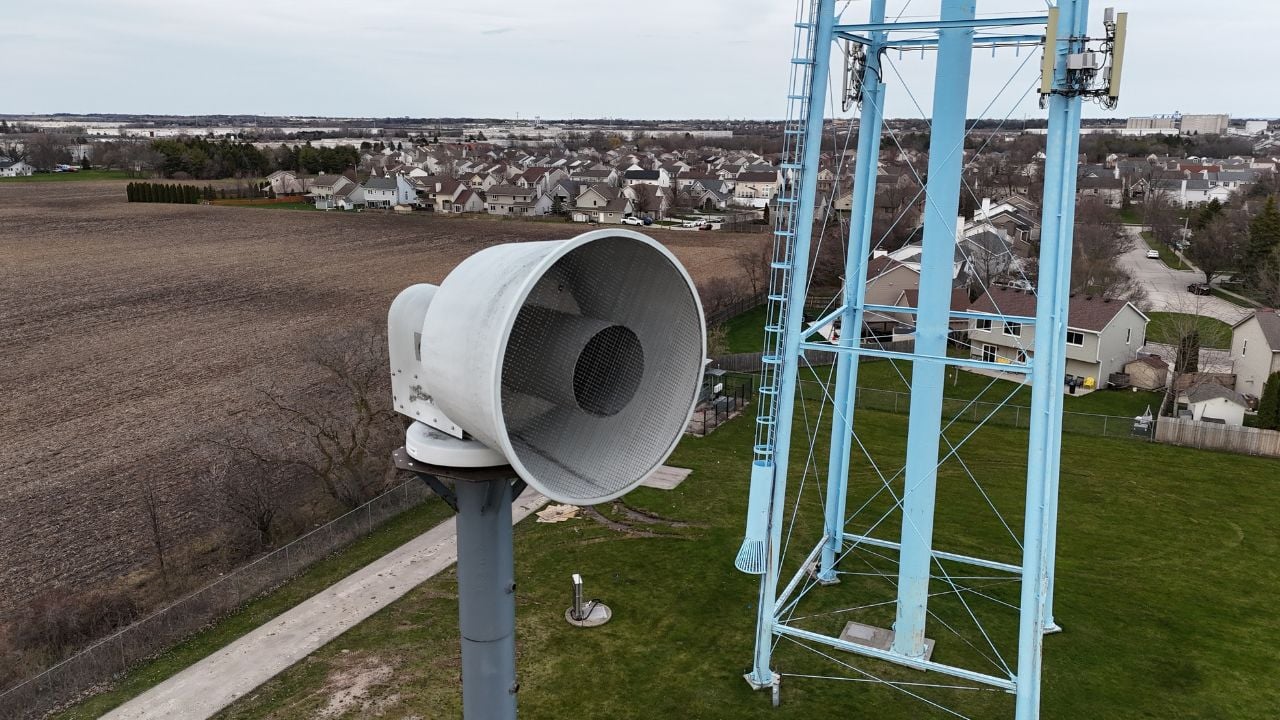
8 Tornado Siren Facts That Surprise Even Longtime Kansans

Kansas counties don’t all run their tornado sirens the same way.
Here are the tornado siren facts that surprise even longtime Kansans.
Note: This is general information, not emergency guidance. Siren systems and test schedules vary by county and are subject to change, so check with your county emergency management office.
1. Steady Alert Tone
Sedgwick County’s outdoor warning system sounds a steady alert tone for tornado warnings.
The classic rise-and-fall sound is reserved for a different job, and the county lists it as its signal for an air attack.
A May 2022 news release described that attack function as a rise-and-fall sound meant for enemy attack, air raids or similar threats.
If you’re listening for an up-and-down wail to signal a tornado, you’re waiting for a different signal.
2. Outdoor-Only Design
Sirens are built for people outside, not for people in their living rooms.
Sedgwick County says its sirens are meant to warn people outdoors to seek shelter and tune in to local media, and they aren’t meant to be heard indoors.
At home, a siren isn’t meant to be the primary way to receive an alert.
National Weather Service Kansas City says sirens aren’t designed to wake you up.
Where Tornado Sirens Fit Among Alerts
Sedgwick County says siren activation typically coincides with a Wireless Emergency Alert sent to cell phones.
A Weather Radio from the National Oceanic and Atmospheric Administration (NOAA) needs a special receiver or scanner.
The weather service says not to wait for a siren before taking shelter.
3. Five Warning Zones
For now, Sedgwick County divides its sirens into five geographic warning zones.
If the mapped warning area from a National Weather Service tornado warning touches any part of your zone, every siren in that zone sounds.
That trigger is automatic once the weather service issues the warning.
The zone setup is a temporary departure from selective warning until the county completes a capital improvement project.
4. Local Control
Tornado sirens are activated locally, not by the National Weather Service.
Cowley County’s page notes that different jurisdictions have different guidelines for siren activation.
A National Weather Service meteorologist told Topeka station WIBW in 2025 that the agency has no authority to issue sirens.
The agency draws the mapped warning area and sends it to county emergency teams.
Jackson, Jefferson, Geary, Riley and Shawnee counties sound sirens when a tornado warning covers their area.
In Jefferson, Riley, Shawnee and Geary counties, officials such as storm spotters or law enforcement can also sound sirens in other areas at their discretion.
Kansas City station KSHB reported in 2018 that Johnson County emergency management picks which zone a tornado warning affects and sounds only the sirens there.
That differs from Sedgwick County, where activation is automatic, so the siren near you follows your county’s setup.
5. Test Days
The test day for tornado sirens in Kansas can differ by county.
Sedgwick County tests its sirens every Monday at noon, except on holidays or when the sky looks threatening.
The Monday test is a manual maintenance check.
Cowley County tests on Tuesday at noon instead and moves a test to the next week when weather interferes.
Its weekly tests begin on the Tuesday of Severe Weather Awareness Week in March and run through June.
From July through November, Cowley County tests only on the first Tuesday, and December through February has no regular tests unless crews are doing maintenance.
A Monday-noon test in Wichita and a Tuesday-noon test in Cowley County show that the routine depends on which county you’re in.
6. No All-Clear
Sedgwick County says its sirens have no all-clear signal.
A sounding siren means danger is near, so take cover and tune in to local media.
If you’re waiting for a siren to announce that the danger has passed, that signal doesn’t exist.
With no all-clear, the National Weather Service says to keep listening to local news or a NOAA Weather Radio for updates on tornado watches and warnings.
7. AC-Only Sirens
About half of Sedgwick County’s tornado sirens run on alternating current (AC) power only, according to the county’s outdoor warning system page.
If a power failure hits your area, AC-only sirens there won’t activate.
The other half runs on direct current (DC) batteries.
During an outage, that mix could mean you hear sirens in one part of the county and not another.
A five-year capital improvement project, estimated to finish in 2028, replaces electrical utility service with solar panels.
In 2023, sirens were replaced in Cheney, Mount Hope, Andale, Bentley and St. Marks.
8. Range and Placement
Sedgwick County’s emergency management director told WIBW in a 2022 report that sirens go where people are likely to be outside, such as schools, parks and shopping areas.
Each siren would warn people within about a mile in ideal conditions, though the sound won’t always travel through the noise of a storm, especially a tornado.
The county’s siren count stood at 152, spread across about 1,009 square miles.
An EF-3 tornado on the Enhanced Fujita Scale hit rural Sedgwick and Butler counties on April 29, 2022.
Residents of Gypsum Township, a rural neighborhood just outside Wichita, told local media they didn’t hear sirens beforehand.
A Sedgwick County commissioner said at the time that it’s unrealistic to expect sirens to be heard everywhere in rural areas, which matters if you live outside a town.
Psst! How much do you know about tornado history and weather alerts? Take our quiz and see if you can ace it.
Quiz
Storm Warning Pop Quiz
Answer these questions on Kansas tornadoes and weather alerts. We bet you can’t get them all right. Prove us wrong?
Where does Kansas rank among states for total F5 and EF5 tornadoes?
March Statewide Drill
Wichita station KSN reported that participating outdoor sirens, NOAA weather radios and county alert systems were tested in a statewide drill at 10 a.m. on Wednesday, March 4, 2026.
Kiowa County didn't participate.
The National Weather Service's Topeka office called that week Severe Weather Preparedness Week, March 2-6, 2026.
Its Monday theme was whether you have multiple ways to receive alerts.
5 Things Kansans Do Every Year Once Wheat Harvest Starts
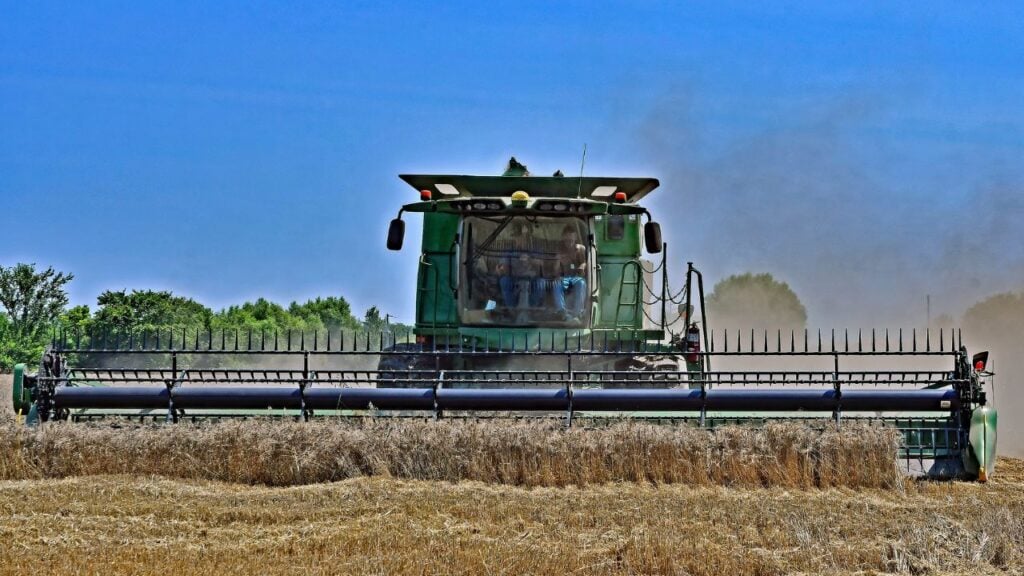
Wheat harvest changes the schedule for many Kansans.
These are the things Kansans do every year once it starts.
5 Things Kansans Do Every Year Once Wheat Harvest Starts
5 Reasons a Kansan Won't Buy a Bierock Out of State

Spotting something that reminds you of home on a menu should be good news.
But if you're a Kansan craving a bierock, you might hesitate.
