
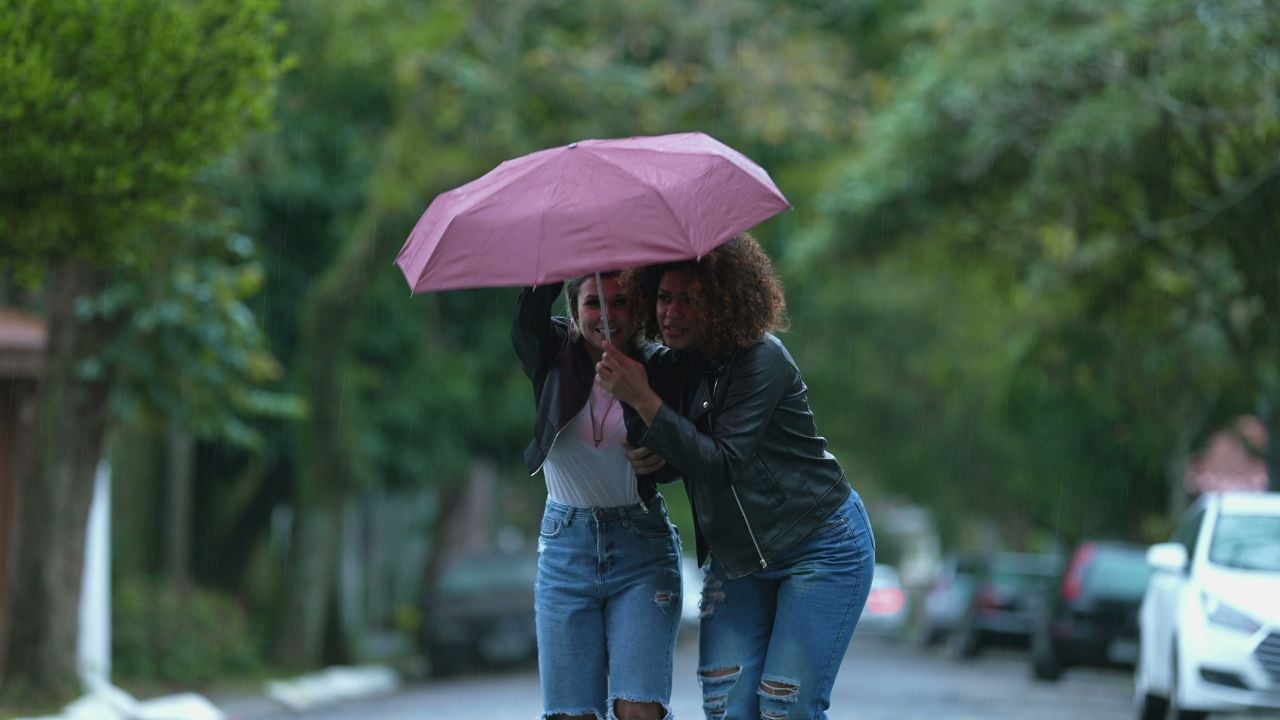
8 Things Washingtonians Do When the Rain Comes Back That Newcomers Find Strange

Almost 650 Washington volunteers measure the rain in their yards and report it.
To a newcomer, that sounds like a lot of attention to pay to rain. To locals, it’s just the season coming back.
Here’s what Washingtonians do when the rain comes back that newcomers find strange.
1. Salmon Watching
Rain brings chum salmon back to Piper’s Creek in Seattle’s Carkeek Park.
Seattle Parks says their usual season to return and spawn is November.
Fish and rain arrive together.
In 2025, volunteer Salmon Stewards were at the park every weekend in November to answer questions.
You can watch the run yourself, and the volunteers are there to talk you through it.
Many newcomers are surprised that a city creek has a salmon run.
2. Storm Drain Duty
Rain and fallen leaves are a bad mix: Leaves clog storm drains and cause flooding on rainy days, Seattle Public Utilities says.
You can help by raking leaves before they reach the street.
If a drain is already clogged, you can clear it with tools, not your hands.
Wear gloves.
If you can’t clear the drain safely, report it through the Find It, Fix It app.
Leaves pulled out of a storm drain go in the garbage because of pollution and contamination.
Raked leaves from your yard go in the yard waste bin or become mulch.
A lot of newcomers do a double take at a neighbor crouched over a street drain in the rain.
3. Mushroom Hunting
In the Tacoma area, rain starts mushroom season, usually in August or September.
The season lasts until nighttime temperatures stay below freezing, usually in November or December.
Mid-October is the peak time to look, and the finds include chanterelles, oyster mushrooms and lobster mushrooms.
The drizzle is the point.
If you’re picking at a state park, the daily limit is set by rule.
Mushroom Limits at State Parks
Washington State Parks lets you pick up to two gallons of edible mushrooms per person per day for personal use.
A park can post a different limit.
Commercial harvesting isn’t allowed on park land.
Natural area preserves are closed to mushroom harvesting.
Harvest techniques that involve raking are prohibited.
4. Flood Alerts
King County says flooding and high water are most common from October through April, during heavy rain or rapid snowmelt.
The county’s Flood Warning Center is open 24 hours a day.
You can sign up for flood alerts by email, text or phone call.
It costs nothing.
The alerts cover the Cedar, Green, Issaquah Creek, South Fork Skykomish, Tolt and White rivers, plus the Snoqualmie Basin.
There are four phases for describing river flood conditions.
If you live near one of those rivers, you’ll want your name on the list before the first big storm.
Lots of newcomers find it strange to hear neighbors talk about river levels the way other people talk about traffic.
Psst! How much do you know about the Northwest’s wet weather? Take our quiz and see if you can ace it.
Quiz
Wet Weather IQ
Answer these questions on Olympic Peninsula rain, rivers, and salmon. We bet you can’t get them all right. Prove us wrong?
Mount Olympus is the highest point on the Olympic Peninsula. About how much snow is it estimated to get?
5. Rain Gauges
Almost 650 volunteers in Washington measure the rain on their property for the Community Collaborative Rain, Hail and Snow Network (CoCoRaHS).
Each one installs a simple, inexpensive gauge and reports near-daily.
In November 2021, observers reported over 13 inches of rain for the month in the lowlands of Whatcom County.
Observers report dry days too.
If you put a gauge in your yard, you'd report your totals online.
6. Rain-Catching Cisterns
King County says cisterns capture winter rain and slowly release it into the sewer system, which helps stop overflows.
In Seattle, the RainWise program covers up to 100% of the cost of a cistern or rain garden on an eligible property.
The average rebate is about $4,740.
You enter your address in the program's eligibility map, then hire a RainWise-trained contractor.
Even if you qualify, a cistern or rain garden might not work on your property.
Washington's Department of Ecology says you may use rooftop rainwater without a water right permit, as long as you use it on the property where you collect it.
Some newcomers find it odd to be reimbursed for catching rain.
Check your address first.
7. Planting in the Rain
Rainy fall and winter weather gives roots ample moisture while plants recover from transplant shock, Green Seattle Partnership says.
Its planting season starts in November with Green Seattle Day and runs through March.
Plants set out in fall have more time to settle in, so they need less water.
City of Seattle tree events go ahead rain or shine, and volunteers are encouraged to bring rain gear if the forecast calls for rain.
Bring rain gear.
If you volunteer, you'll be working in the same weather the plants are.
8. Nature Preschool
Nature preschools in Washington run rain or shine, and hundreds of children attend them, Seattle TV station KOMO reported in April 2026.
Class goes on.
In 2021, Washington became the first state to permanently license outdoor, nature-based child care.
The state Department of Children, Youth, and Families licenses programs that enroll preschool or school-age children and provide nature-based learning for at least half the day.
As of 2026, 28 licensed outdoor programs serve preschool and school-age children.
More than a few newcomers find it strange that preschool can happen outdoors in the rain.
Some private outdoor preschools aren't licensed by the state, so if you're touring one, you can ask.
Foothills Nature School in Enumclaw, a private program the state doesn't license, holds class outdoors no matter the weather.
It sits on 14 acres, with one teacher for every six children.
9 Things Washington Ferry Workers Notice About Drivers Every Day
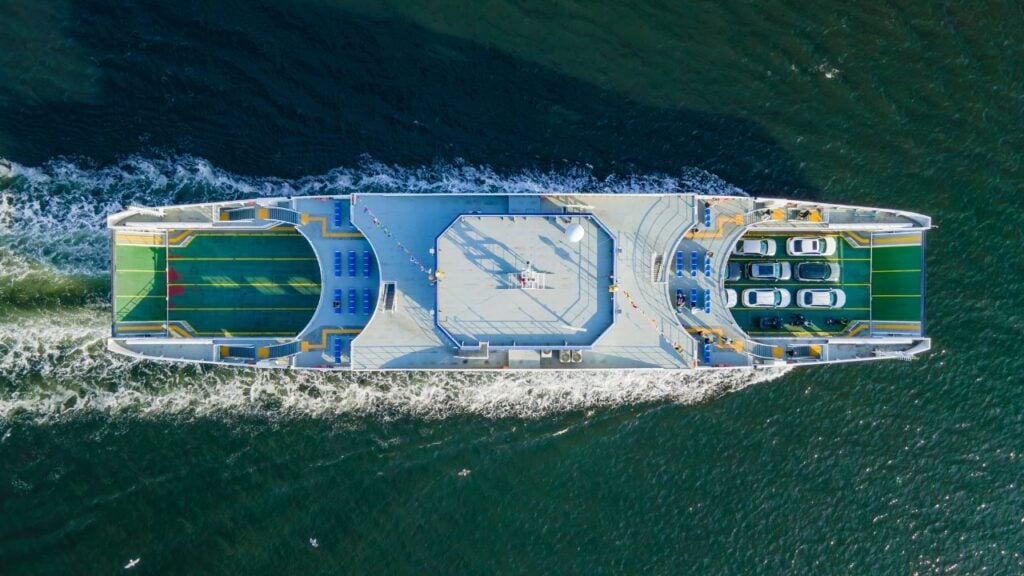
Getting onto a Washington State Ferries boat starts well before the dock.
Deckhands, toll takers and loading crews notice a lot about the drivers who roll up.
9 Things Washington Ferry Workers Notice About Drivers Every Day
9 Things People Miss Most After They Leave Washington

Many people leaving Washington are glad to tell you why.
But give them some time, and they'll list the things about home that don't exist anywhere else.
