
9 Things People Miss Most After They Leave Washington

Washington gained about 61,750 residents through migration last year and lost many of its own at the same time.
Many people leaving are glad to tell you why.
But give a former Washingtonian some time, and they’ll list the exact things about home that don’t exist anywhere else.
These are the things people who’ve left Washington say they miss most.
1. Mount Rainier’s Sudden Reveal
Washington’s Mount Rainier disappears behind clouds so often that locals built an entire phrase around the days it doesn’t.
Local radio hosts and office coworkers ask “Is the mountain out?” because the 14,410-foot volcano is visible from the Seattle area only about 83 days a year.
That’s less than a quarter of the calendar.
A flat horizon doesn’t offer the same daily gamble, and the loss hits harder than many former residents expect.
No skyline check.
No sudden glacier view at the end of a commute, just a horizon that stays the same shape every single day.
Washington’s “Evergreen State” Nickname Still Isn’t Official
Washington’s forests are why C.T. Conover, a Seattle real estate agent, started calling the place the Evergreen State back in 1890.
The name stuck everywhere, from license plates to the state quarter to every souvenir shop from Spokane to the coast.
Washington’s own state legislature still lists the nickname as unofficial, since lawmakers have never voted it into law.
2. Washington’s Ferry Commute
Washington runs one of the largest ferry systems in the country.
For a lot of residents, that system was their commute.
Washington State Ferries carried 20.1 million riders in 2025 across Puget Sound and the San Juan Islands.
That’s a boat ride, not a bus route.
A boat ride disappears the moment someone moves off Bainbridge Island or Vashon Island.
No more standing on deck with coffee, watching the skyline shrink behind them.
Nothing else feels the same.
3. Washington-Grown Apples
Washington grows more than 60% of the apples sold in the United States. The difference shows up fast once someone leaves.
Orchards line the Yakima and Wenatchee valleys, where warm days and cold nights push extra sugar into the fruit.
Flatter growing regions can’t match that swing in temperature.
Washington apples also travel a shorter distance to reach a local shelf, so growers pick them closer to ripe.
Not anymore.
A transplant’s first out-of-state apple usually ends up half-eaten in the trash.
4. Roadside Espresso Stands
Washington’s coffee culture turned the roadside espresso stand into a fixture. It started with Seattle’s own Monorail Espresso, the world’s first walk-up espresso cart, set up under the Seattle Center Monorail in 1980.
Drive-through versions spread fast across the Pacific Northwest through the 1990s.
Washington ended up with tiny walk-up huts in gas station lots, grocery store lots, and empty corners of small towns from Bellingham to Walla Walla, each one pulling shots to order.
A chain coffee shop drive-through promises the same fix, and many transplants figure that out on their first order.
It doesn’t come close.
5. Fresh Dungeness Crab
Washington opens its own regulated Dungeness crab season in Puget Sound every summer. Residents who fish it themselves take that access for granted until it’s gone.
The daily limit sits at five crab per person, males only, each one measured against a minimum shell width before it goes in the bucket.
A cooler of crab pulled that same morning beats anything sold at a counter.
Former residents in landlocked states pay double or triple for crab shipped in frozen, and it never tastes quite the same.
That’s worth the drive alone.
6. Puyallup Fair Jingle
Washington’s state fair has opened under the same earworm of a jingle every September since 1976.
It draws more than a million guests a year, ranking among the largest state fairs in the country.
“Do the Puyallup” was written by ad man Denny Hinton, and the fair kept the tagline even after its official name changed to the Washington State Fair in 2013.
Nobody outside the state has heard three notes of it.
The silence catches transplants every September, when the fair opens without them and nobody nearby has ever hummed a note of the tune back.
Try humming it to a coworker in Ohio.
Blank stare.
7. Easy Wine Country Trips
Washington is the country’s second-largest wine producer, behind only California. Nearly all of it grows in a desert few outsiders picture when they think of the state.
The Cascade Mountains block Pacific storms from reaching the eastern half of Washington, leaving a rain shadow dry enough to grow wine grapes across more than 35,000 acres.
Hundreds of wineries sit within an easy day trip for many Washington residents.
Former residents in wine deserts drive hours for a tasting room that used to be a Saturday afternoon.
Now it’s a whole vacation.
8. Puget Sound’s Orcas
Washington’s Puget Sound is home to a wild orca population that residents can watch from their own shoreline.
The Southern Residents, Puget Sound’s own killer whale clan split into J, K, and L pods, numbered 74 whales in the July 2025 census.
They’re endangered, tracked individually by name, and they return to the Sound each summer to feed on salmon.
A ferry deck or a Whidbey Island beach can turn into a whale sighting without warning.
A landlocked backyard never will.
A whale on a nature documentary is the closest a landlocked transplant gets now.
Nothing about a screen replaces open water.
9. No State Income Tax
Washington charges no state income tax on wages. The paycheck difference is the first thing a lot of transplants notice once they’ve moved.
The state instead leans on a sales tax that runs as high as 10.7% in Edmonds and Lynnwood, but the state collects that a little at a time, at the register, not out of every paycheck.
A move to an income-tax state shrinks that number fast.
Same salary, smaller deposit.
The gap shows up every payday.
Psst! How much do you know about Washington beyond the rain? Take our quiz and see how many you can get right.
Quiz
Washington State IQ
Test yourself on Washington’s history, geography, and quirks many people never learn. We bet you can’t get them all right. Prove us wrong?
Washington is the only U.S. state named after which of these?
Washington's Rain, by the Numbers
Washington's rainy reputation doesn't match what the rain gauges record year to year.
Seattle collects about 37.7 inches of precipitation a year, which ranks 32nd among the 50 largest U.S. cities, well behind Atlanta, New York, and Miami.
It's frequency, not force.
Washington's west side sees around 150 rainy days a year, but many of those days bring a drizzle light enough to skip the umbrella entirely.
Transplants in a state with fewer, heavier storms tend to miss that in-between kind of gray more than they expected to.
What Transplants Don't Miss
Washington's reputation isn't all forests and ferries, and former residents are quick to say so.
The social distance known as the Seattle Freeze, a term coined by a Seattle Times writer back in 2005, describes how friendly small talk in Washington rarely turns into an actual invitation.
No hard feelings.
Many transplants call the Seattle Freeze a relief to leave behind.
Washington's cost of living rounds out the list, especially around Seattle, where rent and home prices rose for years before some longtime residents packed up for Denver, Phoenix, and Las Vegas.
Redfin puts Seattle's median home sale price at $854,000, 96% above the national figure.
That gap doesn't close just because the moving truck left the state.
10 Washington Beach Finds Visitors Aren't Allowed to Take Home
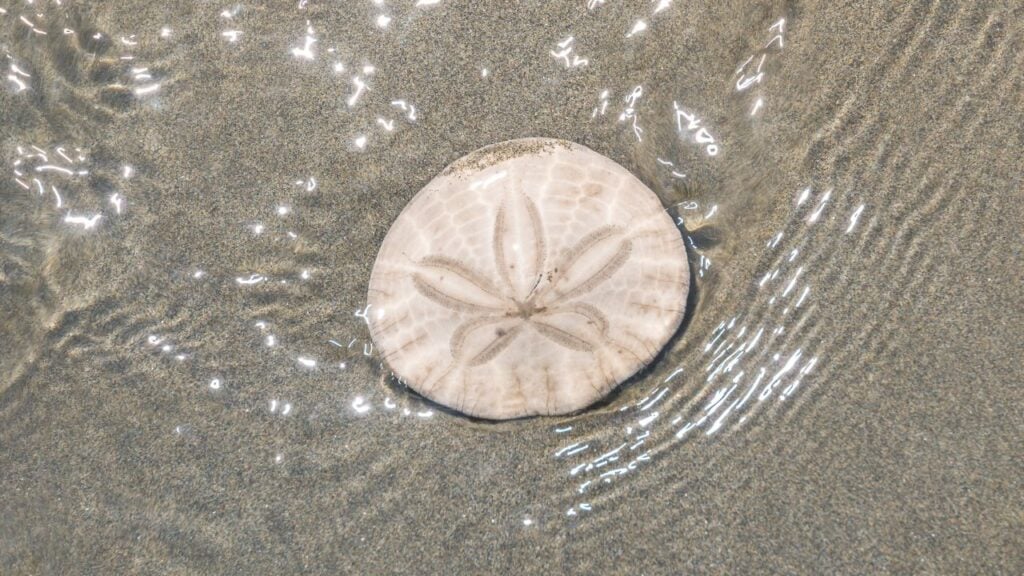
Washington's coastline runs through state parks, a national park, tribal land, and marine sanctuaries, and each one writes its own rules for what a beachcomber can pocket.
A handful of things that look like harmless souvenirs can break the law in Washington.
10 Washington Beach Finds Visitors Aren't Allowed to Take Home
9 Things Washingtonians Get Wrong About Their Own State
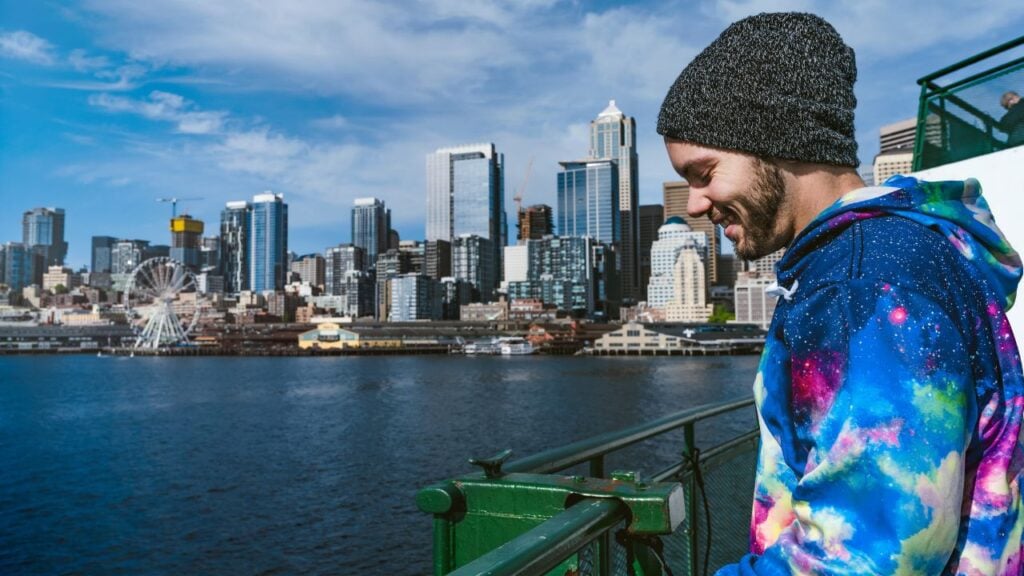
Even longtime Washington residents repeat the state's rain reputation right along with the tourists.
That's just the first of several facts Washingtonians get wrong about their own state.
