
13 Things South Carolina Boomers Say Without Realizing They’re Offensive Nowadays

“Wheelchair-bound” might like a plain description, but disability groups now advise against it.
Words like that were everyday talk for many South Carolinians growing up, but they land differently now.
Here are the things South Carolina boomers say without realizing they’re offensive nowadays, and why they’ve fallen out of favor.
1. Handicapped Parking
The Americans with Disabilities Act (ADA) National Network lists “handicapped parking” as wording not to use, and it calls “handicapped” an outdated and unacceptable term for individuals or accessible environments.
Many boomers still say handicapped parking.
Accessible parking is the preferred wording.
Accessible restroom is used in place of disabled restroom.
2. Wheelchair-Bound
The phrase “wheelchair-bound” sounds like a plain description, but the ADA National Network advises against it, listing it and “confined to a wheelchair” under “Don’t Use.”
The National Institutes of Health (NIH) style guide points writers to “person who uses a wheelchair” or “wheelchair user” over “wheelchair-bound.”
Wording that stresses what people can do, not what they can’t, is empowering.
If you’re describing a neighbor or a friend, you can say they use a wheelchair.
3. Oriental
A 2016 law erased “Oriental” and “Negro” from federal legislation.
A lot of boomers still hear the word as an ordinary label.
Merriam-Webster labels “Oriental” usually offensive when it describes a person, though it doesn’t flag the word for objects like rugs.
If you know where someone’s family comes from, you can name the country.
4. Eskimo
The dictionary gives “Eskimo” an often offensive label, and its usage note says the word has long been considered one to avoid in Canada.
Indigenous people in Canada call themselves Inuit, and not all the native people referred to as Eskimos are Inuit.
Even so, the term continues for now in widespread use in many English-speaking areas.
5. Hillbilly
The dictionary labels “hillbilly” often disparaging and offensive.
Greenville, Oconee and Pickens counties in the Upstate are among the seven South Carolina counties the Appalachian Regional Commission serves.
If you’re talking about the Upstate, you can say Appalachian or just name the county.
6. Colored and Negro
The Census Bureau announced in 2013 that it would drop “Negro” from its surveys.
The decision came after many Black Americans complained about the word during the 2010 Census, and some described it as offensive.
Lots of boomers grew up hearing “colored” in everyday talk.
The dictionary labels “colored” dated and offensive when it describes a person, and calls that use usually unacceptable in nonhistorical contexts.
Black is the word the dictionary points to instead.
7. Gypped
The dictionary labels “gypped” informal and offensive and says its cheating and swindling senses are widely regarded as offensive.
The word is associated with an old label for the Romani people that’s seen as increasingly offensive.
If a bill seems steep, you can just say you were overcharged.
8. Indian Giver
The phrase “Indian giver” gets a dated and offensive label in the dictionary.
Some boomers still use it when someone takes back a gift.
South Carolina is home to the Catawba Indian Nation, which the state archives call the only resident federally recognized tribe in the state.
Psst! How much do you know about South Carolina? Take our quiz and see if you can ace it.
Quiz
Palmetto State IQ
Answer eight questions on South Carolina. We bet you can’t get them all right. Prove us wrong?
What does the National Park Service call Congaree National Park’s forest?
9. Phrase About Bargaining
One old phrase turns the name of a religion into a verb for haggling.
The Oxford English Dictionary labels that verb and the phrase built on it offensive, according to The Forward.
The American Jewish Committee calls the phrase an antisemitic term for bargaining.
The phrase traces back to a centuries-old antisemitic trope on Jews and money.
If you're describing a tough negotiator, you can call them a hard bargainer.
10. Homosexual
Merriam-Webster labels the noun "homosexual" now often disparaging and offensive, and its usage note says the word has declined in published, edited text since the mid-1990s.
Phrases using "gay" and "lesbian" tend to be preferred.
For the adjective, the word is now sometimes considered offensive because it can be seen as evoking negative stereotypes.
11. Crippled
The ADA National Network's writing guide has a section on offensive language, and its examples include "cripple."
The dictionary labels the adjective "crippled" offensive.
The NIH style guide also tells writers to avoid using disability as a metaphor and swaps "cripples the service" for "slows down the service."
12. Old Word for Dwarfism
An old word for people with dwarfism is now widely seen as derogatory, and the Diversity Style Guide tells writers to avoid it.
Little People of America recommends short stature, little person or someone with dwarfism instead.
More than a few boomers heard the old word used as an ordinary label growing up.
If you're describing someone, you can say little person, or skip the label and use their name.
Person-First and Identity-First Language
Person-first language puts the person ahead of the disability, while identity-first language puts the disability first for people who prefer it.
The NIH style guide says to default to person-first language when someone's preference isn't known.
13. R-Word
The dictionary labels the word dated and now offensive, and its usage note says intellectually disabled is now preferred.
The ADA National Network's list of offensive language names it too.
In October 2010, Rosa's Law swapped an older medical term for "intellectual disability" in federal laws.
The change reached federal education, health and labor laws.
5 South Carolina Porch Traditions Rooted in Charleston and Gullah Geechee History
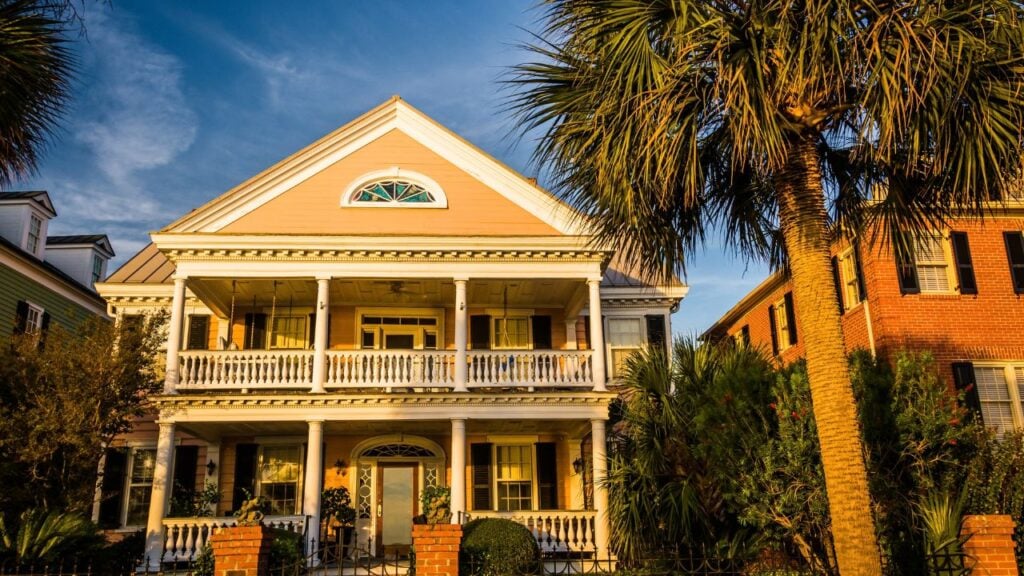
Charleston's historic homes have porches worth a closer look.
These are South Carolina porch traditions rooted in Charleston and Gullah Geechee history.
5 South Carolina Porch Traditions Rooted in Charleston and Gullah Geechee History
7 Home Security Settings South Carolina Homeowners Check Before Traveling This Fall
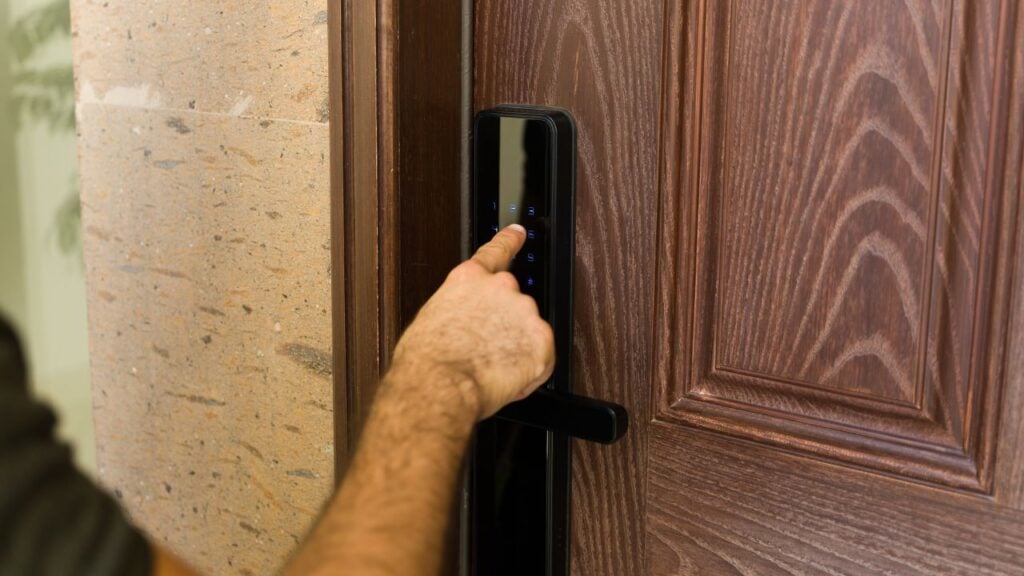
A weekend away can leave your house sitting empty.
That's where a few settings help.
7 Home Security Settings South Carolina Homeowners Check Before Traveling This Fall
