
6 Boise Habits That Surprise Californians Who Move to Idaho

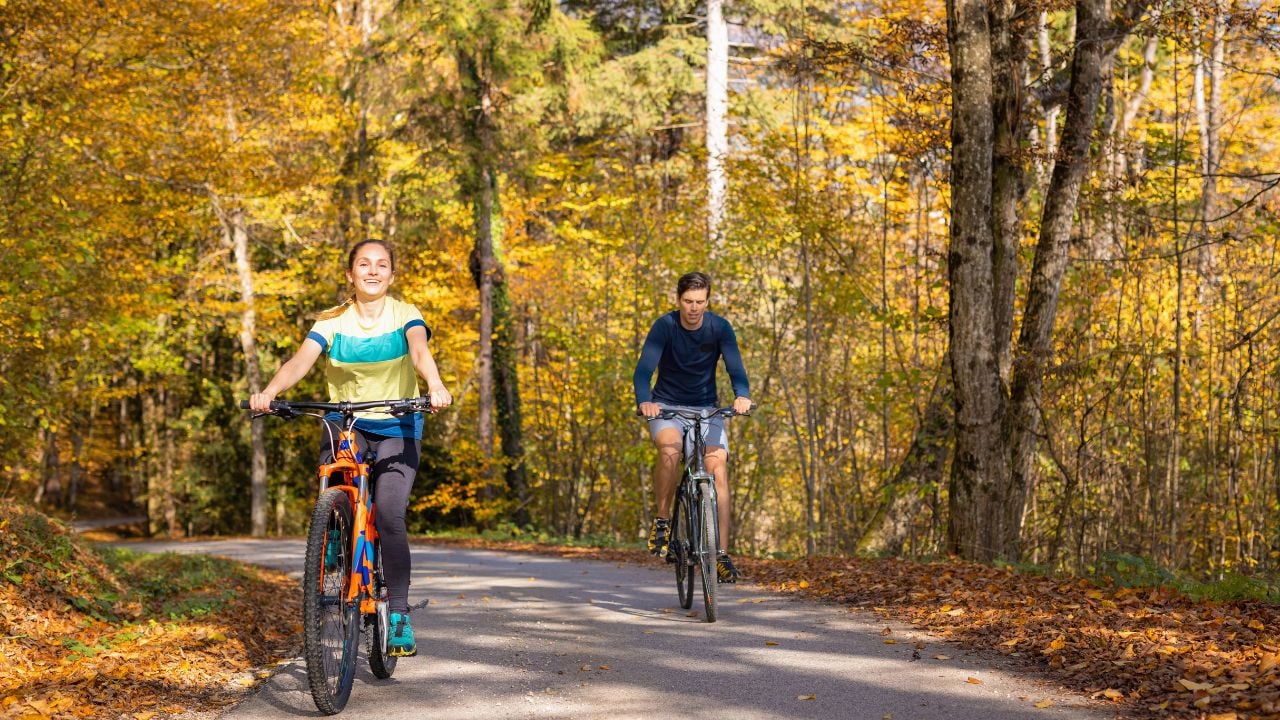
In Boise, bike riders can treat a stop sign like a yield sign, and it’s legal.
Californians who move to Idaho notice differences like that right away.
Here are the Boise habits that surprise Californians who move to Idaho.
1. Odd-and-Even Trail Days
Boise trail users share Lower Hulls Gulch Trail by the date.
On odd-numbered days, the trail is open to downhill mountain bikers only.
On even-numbered days, hikers and equestrians get it back, and uphill bikers can ride it too.
Ridge to Rivers, the foothills trail program, adopted the schedule in November 2021 after a pilot.
Local news was still reminding trail users of the rule in March 2026.
Its writer admitted to showing up on the wrong day a few times.
On odd-numbered days, you have several other trails in the area to try.
Check the date before you go.
2. Basque Block Gatherings
You’ll find a museum, restaurants, a market and a cultural center on the Basque Block in downtown Boise.
Many of the first Basque immigrants reached Idaho in the late 1800s to work as sheepherders.
You can find Boise’s San Inazio Festival, which honors the patron saint of the Basques, on the Basque Block around July 31.
Jaialdi, a Basque festival, returns to downtown Boise every five years.
The 2025 festival ran from July 29 to Aug. 3 and draws 30,000 to 40,000 people.
The pandemic canceled the 2020 festival, so 2025 was the first Jaialdi in a decade.
3. Bicycles and Stop Signs
Boise riders treat a stop sign as a yield sign, and Idaho’s bicycle stop law lets them.
Riders yield first.
The law was passed in 1982, Boise TV station KTVB reports.
Boise police say drivers and riders don’t always understand it.
Drivers often complain about riders who roll through stops.
When you drive in Boise, expect riders to slow down, check the intersection and keep moving.
When you ride, slow down and watch for traffic before you go.
Bicycle Stop Law at Red Lights
At a steady red light, Idaho’s bicycle stop law still requires a rider to stop first.
After yielding to other traffic, the rider may go through the red light with caution.
The law covers riders on the street.
On a sidewalk, pedestrian rules apply.
4. Floating the River
Floating the Boise River drew more than 150,000 people this past summer.
The route covers six miles between Barber Park and Ann Morrison Park.
The float is expected to take two to three hours, depending on stops and vessel type.
Nearly 41,500 people rode the shuttles, and Barber Park rented more than 9,900 rafts and nearly 11,000 tubes.
Tubes outnumber rafts.
Boise Fire logged 23 calls in the 2026 float season, down from 29 in 2025.
In 2022, before the Float the Boise program launched, the season brought 137 calls.
Idaho law requires children 14 and under to wear a life jacket, so you’ll want one for any kid in your group.
If you missed it, you’ll wait until next summer, since all floater services closed for the season on Sept. 8.
Psst! How much do you know about Idaho’s history and geography? Take our quiz and see how many you can get right.
Quiz
Idaho Pop Quiz
Answer these questions on Idaho history and geography. We bet you can’t get them all right. Prove us wrong?
In 1955, which Idaho town of about 1,200 people ran on nuclear power alone for more than an hour?
5. Greenbelt Etiquette
The Boise River Greenbelt is a 29-mile pathway from Lucky Peak to Eagle.
You share it with walkers, runners and riders.
Ada County, Garden City and the City of Eagle share its management with Boise.
Pedestrians always have the right-of-way, according to the city's Greenbelt etiquette page.
Call out as you pass.
Riders can ring a bell.
The Greenbelt has no posted speed limit, so the city asks wheeled users to ride at a speed that fits the conditions.
Smoking and vaping are banned in city parks, including within 20 feet of the Greenbelt.
Dogs must stay on a leash that's 8 feet long or less.
6. Game Days on the Blue
Boise State's record crowd at Albertsons Stadium was 37,711 on Sept. 28, 2024, against Washington State.
The stadium's ten biggest crowds all came in 2012 or later, each above 36,800.
Boise State unveiled the blue turf on Sept. 13, 1986, in what the university calls the nation's first non-green artificial football field.
It turned 40 this year.
You can see the blue turf, known as The Blue, on weekdays from roughly 10 a.m. to 4 p.m.
You enter through the Allen Noble Hall of Fame in the stadium's southwest corner.
Winter Burn Limits
Boise's burn restrictions follow the air quality index (AQI), and winter inversions make the number matter.
In an inversion, a layer of warmer air traps cold air and fireplace smoke below it.
Inside Boise city limits, outdoor burning is prohibited once the AQI reaches 60.
At 74, fireplaces and all woodstoves are prohibited too.
Outside the city, Ada County's rule is looser, since certified woodstoves are still allowed at 74.
Before you light a fire on a cold, still night, you can check the AQI at AirNow or with the state's Department of Environmental Quality.
7 Reasons WinCo Doesn't Take Credit Cards at Every Idaho Location
Groceries are expensive enough.
Here's how WinCo's approach plays out for Idaho shoppers at checkout.
7 Reasons WinCo Doesn't Take Credit Cards at Every Idaho Location
5 Fall Home Repair Scams Targeting Idaho Homeowners This Season
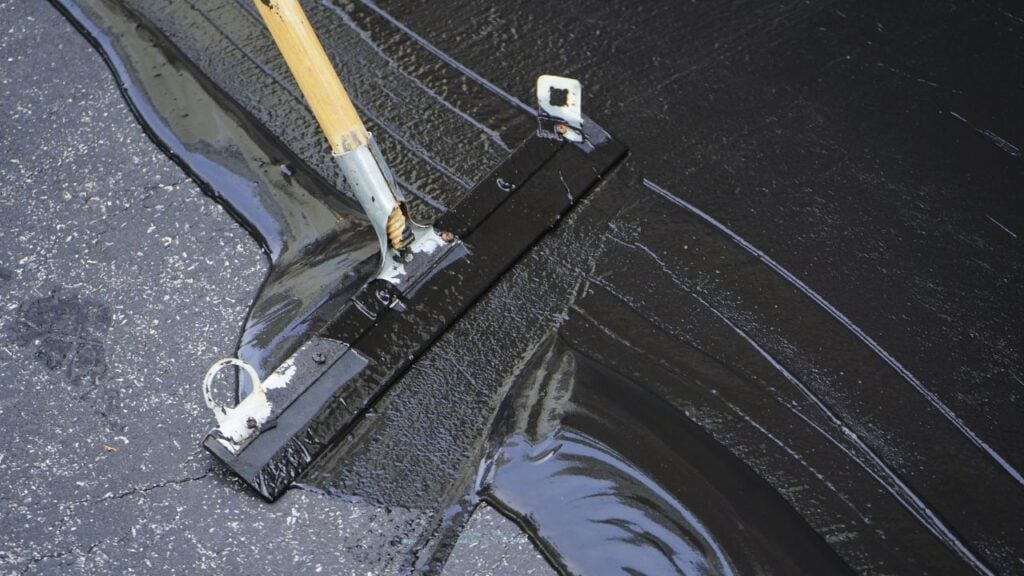
Before you hire a contractor this fall, it helps to know which scams to watch for.
These are the fall home-repair scams aimed at Idaho homeowners this season.
5 Fall Home Repair Scams Targeting Idaho Homeowners This Season
