
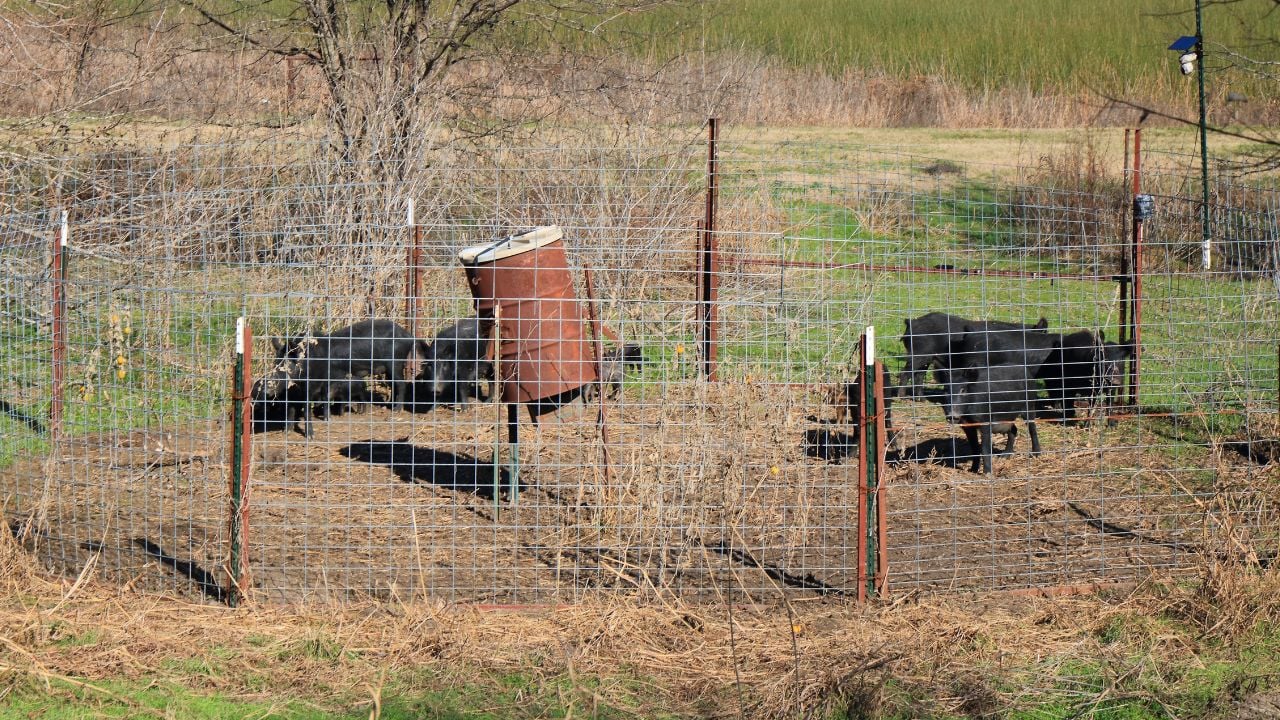
6 Missouri Feral Hog Rules That Surprise Hunters and Landowners

In Missouri, only landowners and their agents can use night lights or thermal gear on feral hogs.
Hunters and landowners who guess at the rules can end up in legal trouble.
Here are the Missouri feral hog rules that surprise hunters and landowners.
Note: This is general information, not legal advice. Wildlife and feral swine rules are subject to change, so confirm the current requirements with the Missouri Department of Conservation.
1. Conservation Area Hog Ban
Missouri’s ban on hunting feral hogs on conservation land dates to a Conservation Commission vote on June 24, 2016.
The rule covers land the Missouri Department of Conservation (MDC) owns, leases or manages, and it took effect that September.
If you hunt a conservation area, a hog in your sights is usually off limits.
MDC prefers trapping because shooting one or two hogs scatters the group and leaves the rest trap-shy.
Trappers want the whole group.
MDC also cited research from other states showing that hog hunting increases hog numbers.
In Tennessee, the wild hog population expanded the most during a period of unlimited hunting.
Most public land agencies closed feral hog hunting in 2016 too.
What Counts as a Feral Hog
A feral hog in Missouri is any swine that is born, living or has lived in the wild, plus the offspring of those swine.
Swine are in the wild unless people confine them to pens, houses or other facilities built to hold swine and keep them from escaping.
2. Deer and Turkey Exception
The Conservation Commission approved a feral hog exception to the conservation-land ban in May 2020, tied to deer and turkey seasons.
Hunters with the proper unfilled deer or turkey permit could take feral hogs during all deer and turkey seasons.
This is called opportunistic take, meaning a hog taken while you’re after something else.
A hog is a bonus.
Hunting seasons bring a lot of activity to public land, which can make trapping harder.
Hours and weapons have to match the deer or turkey season you’re hunting, and you can’t chase or pursue hogs on conservation land.
That was the 2020 action, though, and MDC’s hog page still says the take of feral hogs is prohibited on conservation areas.
Confirm the current rules with MDC before you take a shot at a hog on conservation land.
3. Private Land Hunting
Private land flips the answer.
Hunting a feral hog on private land is legal in Missouri, though MDC still calls it strongly discouraged.
Feral hogs aren’t wildlife but an invasive, nonnative, destructive species.
Missouri law lets you kill a feral hog roaming freely on your land, and you don’t owe the hog’s owner anything for it.
Federal and state officials said in 2020 that hunting closures and opportunistic take rules don’t apply to private land.
On somebody else’s private land, though, the landowner’s consent has to come before the shot.
Psst! How much do you know about feral hogs? Take our quiz and see how many you can get right.
Quiz
Feral Hog Trivia
Answer these questions on feral hogs. We bet you can’t get them all right. Prove us wrong?
MDC says a social group of ten feral hogs can destroy how much land overnight?
4. Lights and Thermal Gear
Missouri limits artificial light and thermal imagery for taking feral hogs to landowners and their agents, and only on that landowner's property.
A landowner's agent, in the law's terms, is anyone with the landowner's permission to be on the property.
If you break that rule, it's a misdemeanor.
The Wildlife Code also bars you from carrying thermal imaging or night vision equipment while you have a firearm or bow.
Landowners are the exception.
A Wildlife Code change that took effect in late November 2020 covers night vision and infrared equipment too.
Under it, landowners and their authorized representatives can use night vision, infrared and thermal gear on their property all year, with no prior approval from a conservation agent.
5. Releasing Hogs
MDC traces the hog problem to the 1990s, when recreational hog hunting began to gain popularity.
Many of the European wild boar raised for hunting on captive facilities escaped or were released intentionally on public land.
Today, releasing hogs to live in a wild or feral state is a misdemeanor in Missouri when you do it recklessly or knowingly.
That covers public land, and private land too, yours included, unless a fence capable of containing swine encloses it.
Each hog released is a separate offense.
A repeat offense?
Do it again within ten years, and it can become a felony.
If you see someone releasing hogs, MDC asks you to report it to your local conservation agent.
You can also call Operation Game Thief toll-free at 1-800-392-1111.
6. Hauling Live Feral Hogs
Possessing or transporting live feral hogs on or through public land can be a misdemeanor in Missouri.
The law reaches you if you pass through public land with a live hog aboard, not only if you stop there.
There's one exception.
It covers piglets that feral swine unintentionally sire with domestic sows.
You have to report those piglets to the state veterinarian within 30 days of birth, and again within 15 days before slaughter.
MDC says swine brucellosis and pseudorabies have both been documented in Missouri's feral hogs.
Both can affect humans and domestic animals.
Mark Twain National Forest
The U.S. Forest Service moved forward with banning feral hog hunting on Mark Twain National Forest public land in December 2019.
This one is federal.
The Forest Service wanted trapping to be more effective.
A Forest Service representative said the decision covers public forest land, not privately owned land.
In February 2020, MDC said additional trappers were working on private and public land around the forest.
Because that ban dates to 2019, confirm with the Forest Service whether it still applies before you hunt hogs near the forest boundary.
Feral Hog Elimination Partnership
The Missouri Feral Hog Elimination Partnership began in 2016, the same year as the conservation-land hunting ban.
MDC manages the partnership, and a June 2025 University of Missouri Extension story says 18 federal and state entities take part.
Is it working?
Feral hog occupancy of Missouri watersheds has fallen 84% since 2016.
Aerial operations and trapping removed 5,105 hogs from those watersheds in 2024, down from 7,880 the previous year.
Landowner Help From MDC
MDC's help for landowners with feral hog damage starts with a phone call.
The wait?
MDC says a trapper will return calls within one week to discuss the situation and collect basic information.
After that, a technician from MDC or the U.S. Department of Agriculture visits the farm to help develop a removal plan.
The plan typically starts with bait, and the technician sets up a trap once hogs are using it consistently.
If deer or turkey season is underway and someone is hunting your farm, part of the farm may be closed with a conservation agent's approval.
The work may also pause until the season is over or no hunting is occurring on the farm.
To reach a trapper, call MDC at 573-522-4115, extension 3296.
You can also ask for help through MDC's online form.
9 Signs Hunting Season Has Arrived in a Missouri Town
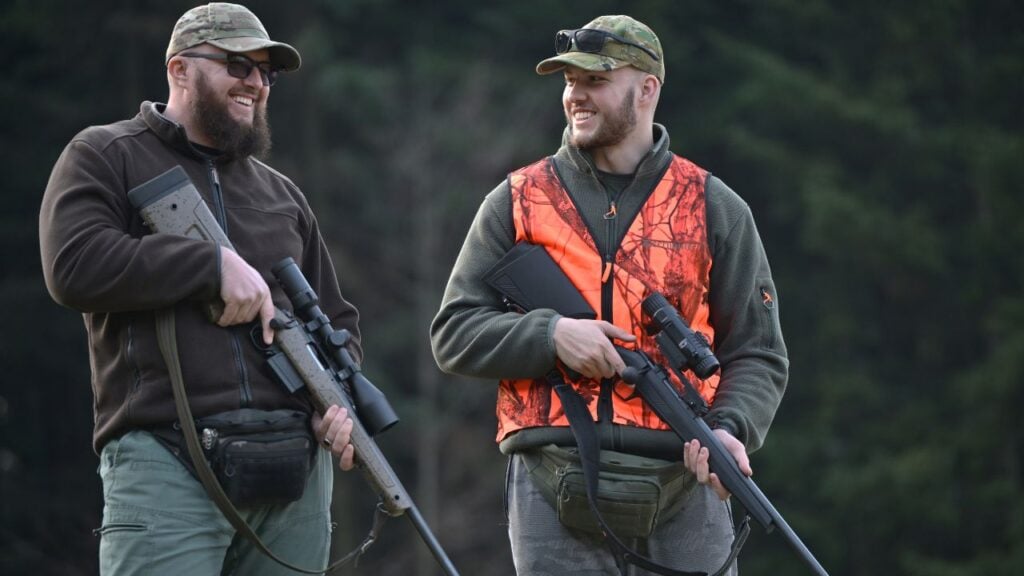
Missouri towns change when hunting season arrives.
Some of the signs are easy to miss unless you know where to look.
9 Signs Hunting Season Has Arrived in a Missouri Town
9 Things Missourians Are Tired of Explaining to Everyone Who Moves In
Missouri has a long list of quirks that lifelong residents end up explaining to newcomers.
Pizza cheese is only the start.
9 Things Missourians Are Tired of Explaining to Everyone Who Moves In
