
10 Things Minnesotans Do While They Wait for the Lakes to Freeze

It’s mid-November in Minnesota, and you’re still waiting on the lake to freeze.
Many Americans would assume there’s nothing to do until then. Locals would tell you otherwise.
Here’s what Minnesotans do while they wait for the lakes to freeze.
1. Open-Water Fishing
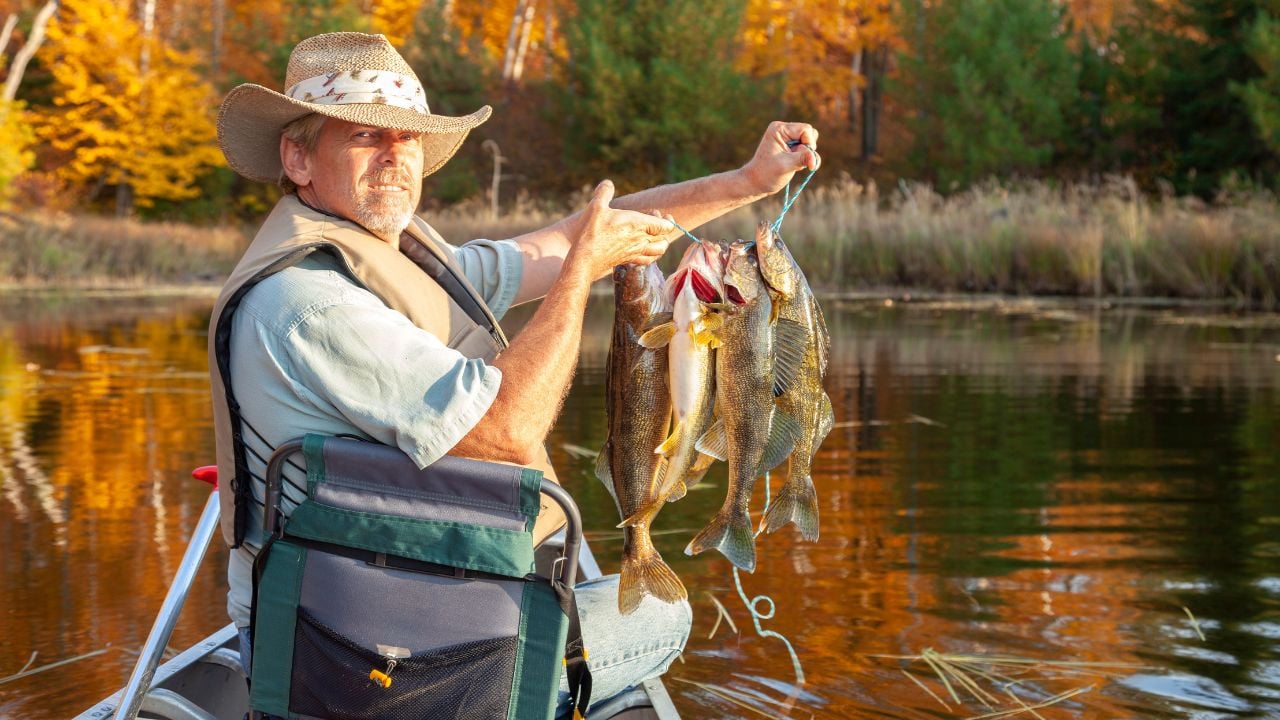
Open-water fishing keeps many anglers on the lake until the ice arrives.
A Lake of the Woods fishing report from Nov. 11, 2025 described a strong late-fall walleye and sauger bite across the south shore.
If you fish there, vertical jigging with a frozen emerald shiner or live minnow was the top presentation.
Some back bays had frozen up with a skim of ice that week, but the south shore bite carried on.
If you chase big muskie late in the season, Minnesota’s certified-weight record, a 55-pound 14-ounce fish, came out of Mille Lacs Lake on Nov. 22, 2021.
2. Deer Season
Minnesota’s 2026 firearms deer season opened Nov. 7.
The Minnesota Department of Natural Resources (DNR) lists it running through Nov. 22 in 100-series permit areas and through Nov. 15 in 200-series areas.
Before you head out, you can look up your permit area on the DNR’s interactive map.
A Lake of the Woods report from November 2025 said there were some boats on the Rainy River, but most anglers were in the woods.
3. Pulling Docks and Boat Lifts
Pulling docks and boat lifts is a fall job for many lakeshore owners.
The DNR calls it a good time of year to check that gear for invasive species.
Zebra mussels attach to docks, lifts and boat hulls that sat in the water over the summer.
Property owners and lake service providers removing docks, boats and lifts first reported several of the zebra mussel confirmations in recent years.
If you can’t completely clean aquatic plants or prohibited invasive species off your equipment before hauling it, you may need a no-cost transportation permit.
Docks and boat lifts have to stay out of the water for at least 21 days before they go into another body of water, which is state law.
4. Flooding Rinks
Rink flooding at the Minneapolis Park Board can’t start until the cold holds for a minimum of ten consecutive days of below-freezing temperatures during the day.
Crews then flood the fields with sprinklers and fire hoses one inch at a time, twice daily.
Snow comes off first because a blanket of it insulates the rink and slows the freezing.
Lake of the Isles Park is on the Park Board’s list of outdoor rinks, and its crews are constantly doing ice checks on lake rinks.
If you skate there, watch for the “Thin Ice” signs posted on lakes the board manages.
Even so, you’re skating on ice that is never deemed totally safe, since water and fish movement can erode it from underneath.
5. Ice-Check Kits
A chisel, drill or auger makes the hole every thickness check starts with.
Add a tape measure, which you hook on the bottom edge of the ice to read the thickness.
The DNR says to wait for at least 4 inches of new, clear ice before you walk out.
A cordless drill with a long, 5/8-inch wood auger bit can drill through 8 inches of ice in less than 30 seconds.
After each use, dry the bit and spray it with silicone lubricant to prevent rust.
Checking as you walk with a chisel doesn’t replace measuring ice frequently with a tape measure.
6. Ice Safety Gear
Ice safety gear starts with a foam life jacket or flotation suit, which the DNR says may be the No. 1 item for staying alive if you fall through the ice.
A sharp set of ice picks comes second, since pulling yourself onto smooth, wet ice with numb fingers is extremely difficult.
Keep an emergency whistle around your neck because yelling drains your energy quickly and some people struggle to call out in cold shock.
Many people are injured every year in slips and falls on ice, which is why ice cleats belong in the bag too.
Psst! How much do you know about Minnesota’s lakes? Take our quiz and see how many you can get right.
Quiz
Minnesota Lake Trivia
Answer these questions on Minnesota’s lakes, rivers and record fish. We bet you can’t get them all right. Prove us wrong?
Which of these is Minnesota’s deepest natural lake, at 280 feet?
7. Checking Ice-In Dates
The DNR's Minnesota Lake Ice In Dates page lets you see when lakes have usually frozen over for good.
It defines ice-in as the date a lake is frozen over and stays that way through winter.
Maps show the median, earliest and latest dates, and only lakes with 20 or more years of records get a marker.
Observers post this year's date, lake name and county on the DNR Climate Office Facebook page.
The DNR doesn't post current-year dates in real time because of safety concerns, and it doesn't measure ice thickness on lakes.
Your lake's median date tells you when ice usually sets in, not whether it's safe to walk on.
8. Spearing Season Opener
Spearing season opens Nov. 15 under state law and runs through the last Sunday in February.
Mark that date if you plan to spear.
Only common carp, native rough fish, catfish, lake whitefish, cisco and northern pike may be taken by spearing.
You can spear catfish, lake whitefish, cisco and northern pike only from dark houses.
9. Watching Snowmobile Trail Conditions
Snowmobile trail conditions wait on freeze-up too.
As of 2025, 21,000 of the state's more than 22,000 miles of groomed snowmobile trails are Grant-in-Aid trails maintained by local club volunteers, the DNR says.
Before trails open, the ground must be frozen.
Where trails cross wetlands, 15 inches of ice are needed to support the weight of trail groomers.
About 12 inches of snow cover has to be on the ground for trail packing and grooming.
The season can start as early as Dec. 1.
You can check the DNR's snow depth page for groomed trail conditions, with reports resuming in late November.
Many clubs also post conditions of local trails online, which you can check too.
10. Ice Fishing Shows
Saint Paul RiverCentre's ice fishing and winter sports show ran Dec. 5-7 in 2025.
The 2024 show ran Dec. 6-8.
You could compare fish houses, augers, underwater cameras, rods and reels and apparel across more than 190 exhibits in 2025.
Check RiverCentre's event listings before you plan the trip.
Fish House Staging on Lake of the Woods
Once Lake of the Woods freezes, you'll see resorts put out fish houses in stages.
Back bays freeze first, and in late November or early December, resorts place heated spear houses in top shallow-water pike locations, according to the lake's ice fishing page.
Around Dec. 10, though it varies by year, resorts place heated day houses over walleye and sauger schools.
Sleeper houses go out as the ice thickens.
Your booking dates can shift with the ice, since the page says Mother Nature controls the timing.
Asking Local Experts Before You Step Out
Asking local experts about conditions and known hazards comes before you head onto a newly frozen lake, the DNR says in a 2023 early-ice release.
It also says to check the thickness yourself and not rely on other people's footprints, tracks or social media posts.
A Lake of the Woods report from November 2025 said resort guides and outfitters who work the ice daily would monitor conditions closely.
Ask them, then measure the thickness yourself before you step out.
7 Things You Only Learn About a Minnesota Winter by Living Through One
Your car won't start, and it's still dark out.
Many Minnesotans know that morning well, and it's only one of the lessons a hard winter teaches.
7 Things You Only Learn About a Minnesota Winter by Living Through One
5 Fall Traditions Minnesota Kids Grew Up On That Have Disappeared

Think back to a Minnesota fall when you were a kid.
Some of the plans your family never had to discuss no longer exist.
5 Fall Traditions Minnesota Kids Grew Up On That Have Disappeared
