
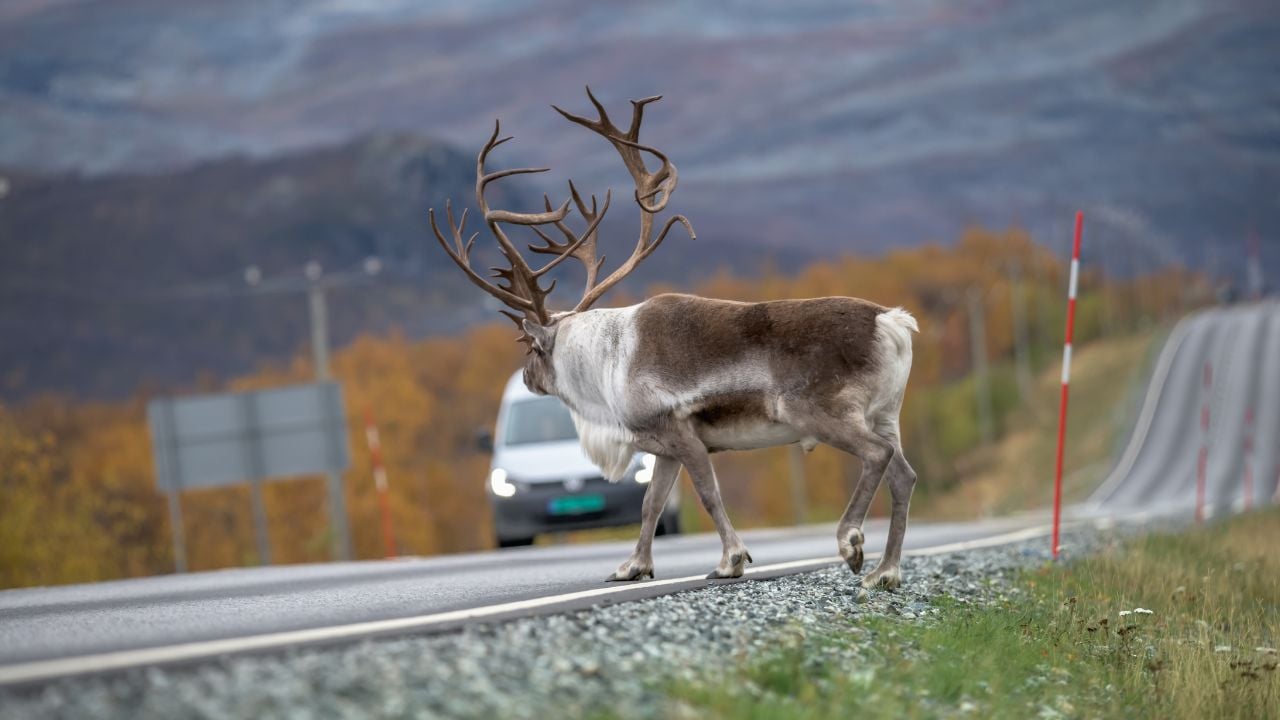
5 Rules West Virginians Have to Follow to Keep a Deer They Hit

Your car clips a deer on a West Virginia road, and the next few hours decide whether you can keep it.
Buck season opens Nov. 23, in the same stretch of the year when collisions spike.
Here are the rules West Virginians have to follow to keep a deer they hit.
Note: This is general information, not legal advice. Wildlife and traffic rules are subject to change, so confirm the current requirements with the West Virginia Division of Natural Resources.
1. Accidental Collisions Only
The statute’s allowance for keeping a hit deer covers wildlife “accidentally or inadvertently struck by a motor vehicle.”
A deer you hit on purpose isn’t an accident, so on that wording it falls outside the allowance.
In that case, the section’s general ban applies, and it makes possessing wildlife “illegally taken, killed or obtained” unlawful for you.
2. Dead or Mortally Wounded Deer
If you hit a deer and it’s only injured, it doesn’t appear to fall under the allowance, which covers wildlife “killed or mortally wounded as a result of being” struck.
The same section also restricts keeping live wildlife in captivity, so you can’t count on nursing one back to health at home.
3. Notice Within 12 Hours
Notice of your claim is due within 12 hours, and the statute says only “a relevant law-enforcement agency” without naming one.
The statute gives you 12 hours without saying when they begin.
Putting it off until the next afternoon may already be too late.
4. Nonhunting Game Tag in 24 Hours
You must obtain “a nonhunting game tag within twenty-four hours of possession,” and missing that deadline ends the statute’s permission.
Local TV station WBOY reports that the tag comes from the Division of Natural Resources and has to stay attached to the carcass.
Two Clocks, Two Starting Points
The 24 hours to tag a hit deer begin at “possession.”
For the 12-hour notice, TV station WOWK says to tell local law enforcement within 12 hours of the incident, so counting from the crash is the safer reading.
Say you hit a deer Monday night around nine and take it into your truck an hour later.
The tag is due Tuesday night around ten, 24 hours after possession; WOWK’s crash-based count puts notice at Tuesday morning around nine.
5. No Spotted Fawns
A spotted fawn can’t be kept under the allowance, which excludes “protected birds, elk, spotted fawn and bear cubs.”
Adult bucks and does aren’t on that list.
If the deer you hit still has its spots, you can’t claim it under the allowance, even if you give notice on time.
If You Skip a Step
If you keep a deer without meeting every condition, it falls outside the allowance.
The section says what happens next: “Any wildlife illegally taken, killed or possessed shall be forfeited to the state.”
That applies whether you missed the 12-hour notice or the 24-hour tag.
Who Fills in the Details
The statute also says “The director shall propose administrative policy” on how the allowance is carried out.
Under the chapter’s definitions, that director is the Director of the Division of Natural Resources.
If you’re unsure how to report a claim, the Division lists a general line of 304-558-6200, staffed Monday through Friday, 8:30 a.m. to 5 p.m.
The listed hours are weekdays only, so a weekend crash may not reach that line, and the 12 hours keep running.
The Law’s History
The allowance dates to 1998, when the rule was signed into law.
That year’s bill excluded protected birds, spotted fawns and bear cubs.
A 2015 bill later added elk to the list, so you can’t claim a hit elk under it.
The 12-hour notice and 24-hour tag deadlines you’d follow after a collision today read the same in the 1998 bill.
Peak Collision Season
State Farm’s claims data for July 2025 through June 2026 puts West Virginia at the top for animal-collision odds, at 1 in 46.
State Farm says West Virginia has held that top spot for more than a decade.
The insurer adds that collisions are likelier in the fall, when deer are more active.
A Division of Natural Resources officer told TV station WVNS in 2023 that November brings one of the year’s spikes in deer-vehicle collisions, tied to breeding season.
June, by contrast, brings strikes on does with their young, while August into September is relatively slow.
If you drive in November, you’re on the road during one of those spikes.
Psst! How much do you know about West Virginia’s wildlife and hunting? Take our quiz and see if you can ace it.
Quiz
West Virginia Wildlife IQ
Answer these questions on West Virginia wildlife, hunting and state symbols. We bet you can’t get them all right. Prove us wrong?
In 2016, the Division of Natural Resources released 24 elk in Logan County, brought in from which state?
When Buck Season Overlaps the Spike
Buck firearms season runs Nov. 23 through Dec. 6, in the same stretch of the year as the November collision spike.
A hunter who takes a deer that season completes a field tag before moving the animal.
Legally taken deer must also be registered electronically.
If a collision takes the deer instead, you'll face the statute's 12-hour notice and 24-hour tag deadlines.
6 West Virginia Scenic Roads That Shut Down for the Winter
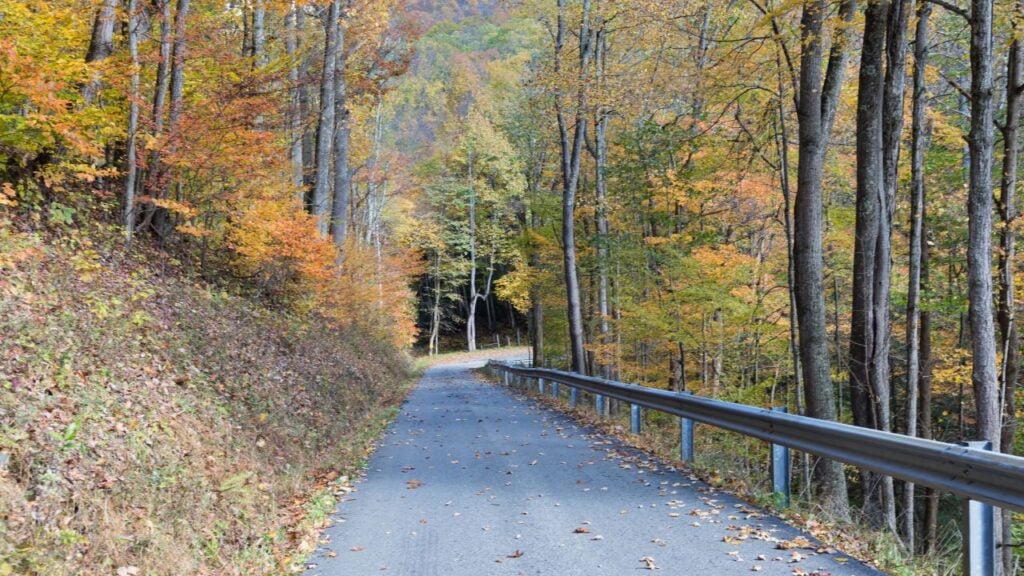
Several of West Virginia's high-country roads close for the winter, some on a set date and others whenever snow covers them.
Some closures come with little notice, so it pays to check alerts before you drive out.
6 West Virginia Scenic Roads That Shut Down for the Winter
Why West Virginia Split From Virginia, and the Counties That Almost Didn't Go

The border between West Virginia and Virginia ended up in front of the U.S. Supreme Court.
It started long before the Civil War as a fight over who got to vote.
Why West Virginia Split From Virginia, and the Counties That Almost Didn't Go
