
7 Things That Happen on Maryland’s Last Skipjacks Once Oyster-Dredging Season Opens

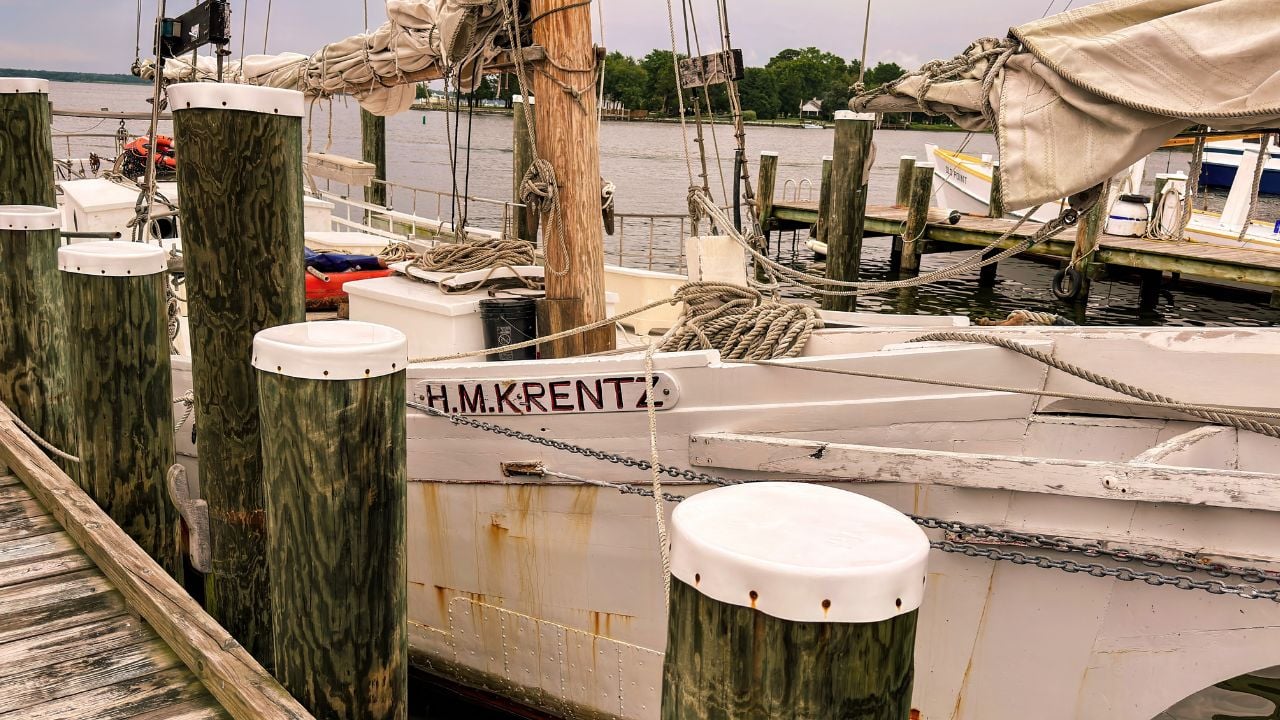
Picture a 45-foot boat, built in 1906, still working for a living.
At noon, one of the crew goes below and makes ham and cheese sandwiches for everyone.
Here’s what happens on Maryland’s last skipjacks once oyster-dredging season opens.
1. Engines Before Dawn
On a late-November 2019 trip that National Fisherman joined, the engines of the small oyster fleet started up before dawn at Scott’s Cove Marina in Chance.
The Minnie V., a 45-foot skipjack built in 1906, sat at the end of the wharf under a 60-foot mast.
Skipjack dredging season opened on November 1, a Sunday this year.
The Department of Natural Resources (DNR) lets commercial oystermen work only Monday through Friday.
So if you wanted to see a skipjack dredge on opening week, Monday, November 2 was the first legal day.
Tongers, by contrast, could start on October 1, a month before you’d have seen a single skipjack dredging.
2. Dredges Over the Side
The skipjack Minnie V. towed two 4-foot dredges, one off each side.
Each tow lasted about five minutes before the crew hauled the dredges back aboard.
Hauls came every five to ten minutes, and each haul landed mud, shell and oysters on the deck.
On that trip, a gas engine amidships drove the hydraulics.
Dick Webster, who held the license and captained the boat, told the crew when to haul and how much wire to let out.
3. Culling on Deck
Tom Daniels and Stoney Whitelock grabbed rings on the corners of the bag that hung from the dredge frame and dumped the bulk of the catch.
Both wore knee pads and, after resetting the dredge, knelt at the edge of the pile.
Five men hauled the dredges and culled oysters, and sheets of plywood lashed to the rails kept the oysters from spilling overboard as the piles grew.
The state’s minimum legal size for an oyster is three inches.
Between dips, the crew shoveled what was left of the mud and shell overboard.
4. Pushboat Days
Skipjacks were built to dredge under sail, but captains have been allowed to use a pushboat since the late 1960s.
A 2020 Garden & Gun report said Maryland captains may run a small motorized pushboat two days a week.
A pushboat is also called a yawl boat, and Maryland’s 2026-27 oyster rules still list sail dredging with an auxiliary yawl boat.
On that trip, the Minnie V.’s pushboat ran on a four-cylinder Cummins engine.
5. Sharing the Sound
Dick Webster headed the skipjack Minnie V. for Tangier Sound, where a dozen other boats were already at work.
Tongers work from boats that drop hydraulic tongs from booms into the oyster beds, bringing up about half a bushel of shell and oysters at a time.
Skipjacks can dredge only in open harvest areas, which rules out sanctuaries, harvest reserve areas and aquaculture leases.
A nearby area was due to open the following week, with one spot suited to skipjacks and another limited to tongers.
6. Splitting the Catch
According to Webster, the skipjack Minnie V. kept 30 percent of the catch’s value, and the crew of six shared the other 70 percent.
That day’s haul came to almost 80 bushels.
Webster expected each crew member to make close to $400.
7. Unloading at the Wharf
Around noon on the skipjack Minnie V., Stoney Whitelock went below and made ham and cheese sandwiches for everyone.
If you’d been on the wharf at 2:30, you’d have watched the Minnie V. pull alongside, where the buyer had his truck parked.
The crew shoveled the oysters bushel by bushel to the buyer, who dumped them onto a conveyor that carried them into the truck.
How Skipjack Daily Limits Compare
A skipjack’s 100-bushel daily limit is five times the 20 bushels a power dredge boat may land.
Each licensee on a power dredge boat is limited to 10 bushels a day.
Hand tongers, patent tongers and divers can land 12 bushels each, up to 24 for the boat.
The 100-bushel limit applies only when a boat uses only a sail dredge, with or without an auxiliary yawl boat.
Recent Seasons
The oyster season that skipjacks work ran two weeks longer than planned last winter.
DNR announced it was extending the commercial season for all gear types through April 14, 2026.
DNR said many waterways and parts of the Chesapeake Bay froze in January and early February, and that ice blocked access to traditional harvest areas.
The same release cited recent declines in market demand and said oyster buyers had been buying from harvesters as little as one day per week during the previous two years.
This winter’s season is set to end March 31, 2027.
Statewide, reported commercial harvest was about 322,000 bushels in the 2024-25 season, the latest on the DNR landings page.
Power dredging and hand tongs were the primary gear that season.
Psst! How much do you know about Chesapeake oysters and skipjacks? Take our quiz and see if you can ace it.
Quiz
Chesapeake Oyster IQ
Answer these questions on Chesapeake oysters and skipjacks. We bet you can’t get them all right. Prove us wrong?
Which oyster disease first showed up in Virginia’s Mobjack Bay in 1959?
The Shrinking Fleet
Maryland Sea Grant, a University of Maryland program, calls skipjacks the nation's last working sailing fleet and says only a handful still dredge for oysters.
A 2020 Garden & Gun piece quoted a captain's estimate of about nine still dredging.
Chesapeake Bay Magazine reported in 2025 that fewer than 20 skipjacks remain in working condition.
That 2025 report named the Han Em Harv, formerly the Anna McGarvey, as one still commercially dredging for oysters.
It also said the Sandy Point races would include skipjacks retrofitted for commercial cruises and privately owned skipjacks, most still powered by motorized pushboats.
9 Things That Get Worse for Marylanders the Second They Cross Into Virginia
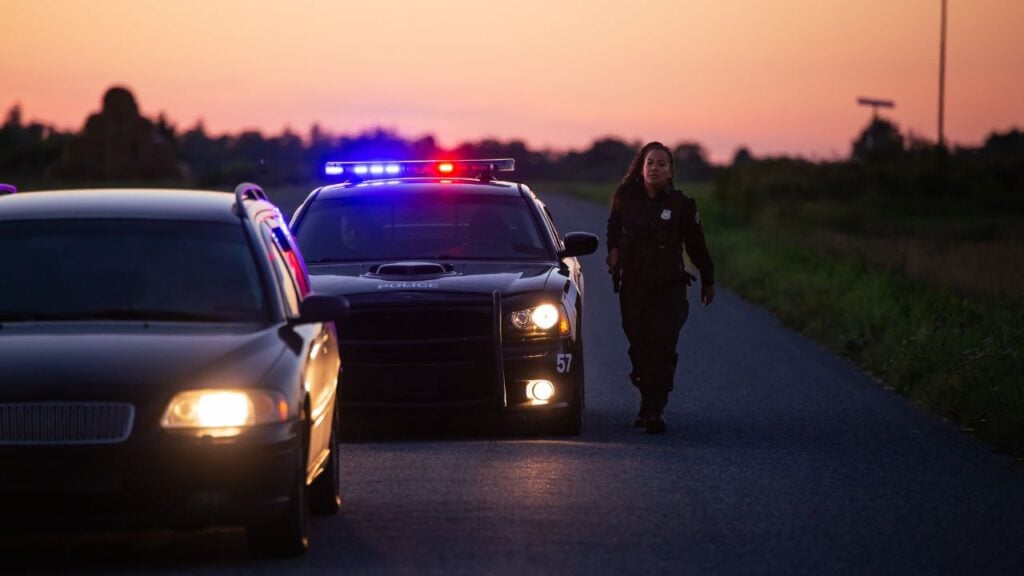
Cross the Potomac into Virginia, and a few things change right away.
Not every change is a pleasant one.
9 Things That Get Worse for Marylanders the Second They Cross Into Virginia
9 Maryland Habits That Make No Sense Outside Maryland
Some habits that feel normal in Maryland get blank looks anywhere else.
Out-of-staters may not know what to make of them.
