
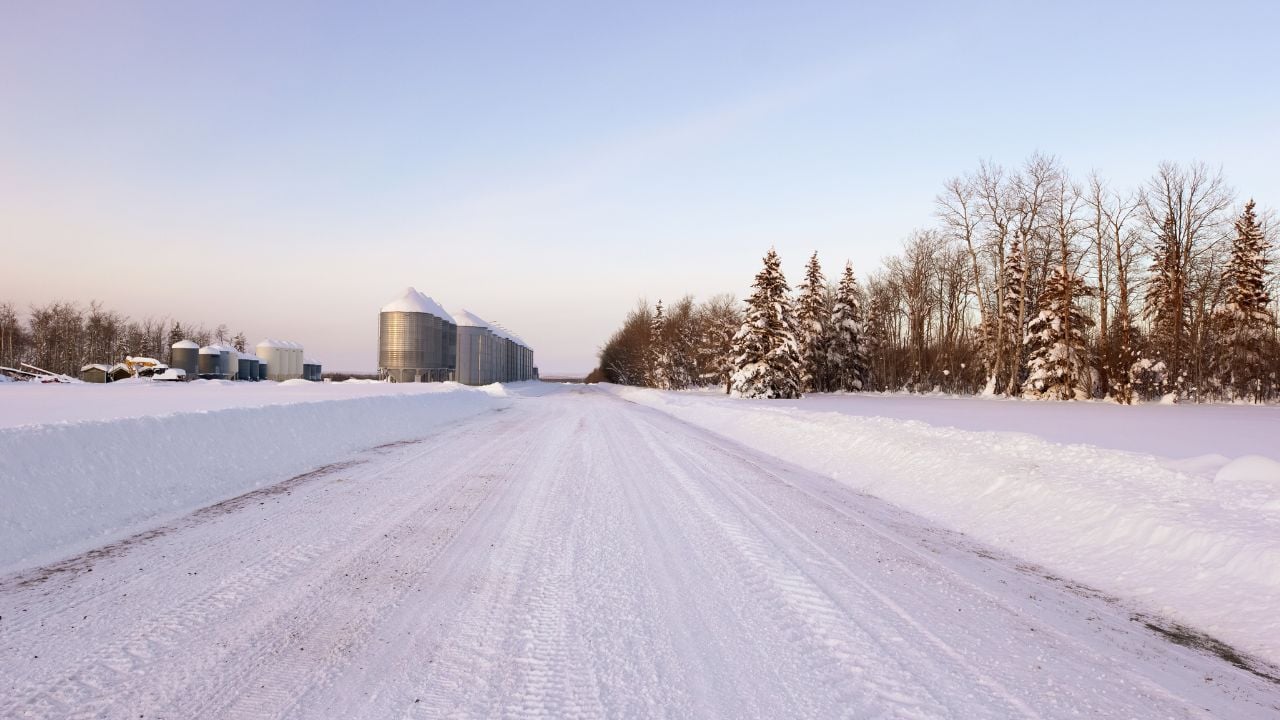
6 Rules on Who Plows Maine’s Private Roads and Who Pays

A big snow is forecast, and you live on a private road in Maine.
Plowing a private road starts with a meeting, and the law spells out who can call one.
Here are the rules on who plows Maine’s private roads and who pays.
Note: This is general information, not legal advice. Road laws and association rules are subject to change.
1. No Public Money for Plowing
A town generally has no legal right to spend public funds to repair, maintain or plow a privately owned road.
That includes yours.
A town way is different: The town has to keep it passable if snow blocks it.
In an emergency, such as a winter house fire, a town may be allowed to send a snowplow so the fire truck can get in.
You still have to maintain your road well enough for that plow to get through.
Your town office can tell you which kind of road you live on.
2. Public Easement Exception
A public easement is a town-held right of public access to land or water that no public way otherwise reaches.
It gives a town the option to plow, but it doesn’t give you a guarantee.
The catch?
The town isn’t obligated to maintain or repair a public easement.
The town meeting or council has to vote before officers can use town highway equipment to plow one, under a state law on public easements.
Once the town meeting or council approves minimum year-round service, it runs up to the driveway of the last year-round primary residence and continues until that body votes to discontinue it.
Towns that offer that service have to post signs reading “Minimum Maintenance Road – Travel at Your Own Risk.”
If you live on a public easement, ask the town office whether voters ever approved plowing.
3. Calling the Owners’ Meeting
Plowing a private road starts with a meeting, and owners of any 3 parcels on a road that benefits four or more can ask a notary to call one.
The notice has to go out at least 30 days before the meeting.
It has to list the agenda and every item you and your neighbors will vote on.
Thirty days is a long wait in January, so start well before the snow.
One parcel, one vote.
If you can’t make the meeting, you can appoint another owner in writing to vote in your place.
Roads built or primarily used for commercial or forest management fall outside the road association law.
4. Majority Vote on Plowing
A road association’s owners may choose a commissioner or board at the meeting, and that person or board is sworn in.
A majority of owners present and voting, in person or by written proxy or absentee ballot, then decides which repairs and maintenance the road needs.
If you winter somewhere warmer, your absentee ballot still gets you a vote.
The same majority decides how much you and each neighbor pay.
State law spells out that maintenance includes snowplowing, snow removal, sanding and ice control.
Special assessments for emergency repairs and maintenance need a meeting called for that purpose.
Psst! How much do you know about Maine’s winter roads? Take our quiz and see if you can ace it.
Quiz
Maine Winter Roads IQ
Answer these questions on Maine winters, snowplows, and the roads they clear. We bet you can’t get them all right. Prove us wrong?
Which snow-fighting first is the Maine Turnpike believed to have commissioned in the country?
5. One Share Per Home
The law requires each owner's share of a road association's costs to be fair and equitable.
A separate state law covers roads with no agreement in place: Owners share equally in the cost of reasonable and necessary repairs and maintenance.
That default applies when the road is the primary means of access to your home.
Each of your residential properties can be assessed only one share.
Say eight homes split a $4,000 winter plowing bill, and an equal split comes to $500 a home.
The 1% Cap on Road Association Repairs
A road association can't charge you more than 1% of your municipal property valuation for road repairs in a calendar year.
On a home the town values at $250,000, that ceiling is $2,500.
The cap's wording names repairs to the road and doesn't mention plowing.
6. Unpaid Shares in Court
If you refuse to pay after the commissioner or board asks, the other owners on the private road can cover your share.
They can then recover it from you in a civil action.
The suit can add court costs and reasonable attorney's fees to what you owe.
The road association can bring that suit in its name.
Ouch.
Seller Disclosure on Roads
If the home you're buying isn't on a public way, the seller has to disclose who is responsible for maintaining its access.
The disclosure includes any responsible road association.
Your seller only has to disclose what they know.
Get the answer in writing before you close.
Votes Needed to Pave
Plowing counts as maintenance on a private road, but paving doesn't.
Your road association can still pave in locations where pavement doesn't exist if at least three-quarters of the owners of all the parcels the road serves approve.
Limited paving is allowed to fix an erosion problem, when it's shown to be a cost-effective approach.
And you can repair and maintain pavement that has existed for at least 8 years.
Lawsuits and Insurance
If you act for a road association, you're immune from civil liability in suits by owners of other lots over certain decisions.
Those decisions cover which repairs to do, which materials to buy, what each owner pays and how the association collects the money.
An association may buy liability insurance, and your share can include the cost.
9 Things You'll Only Understand About Maine After a Winter There
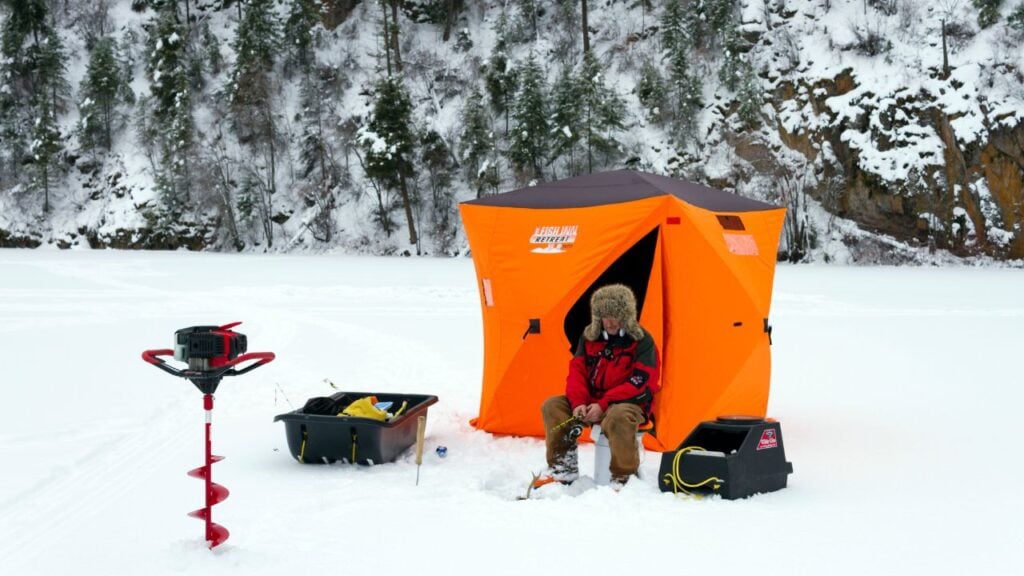
Summer visitors see Maine at its best.
Winter shows what living there takes, from the early dark to the chores that come with the cold.
9 Things You'll Only Understand About Maine After a Winter There
9 Things Nobody Warns You About Before Moving to Maine
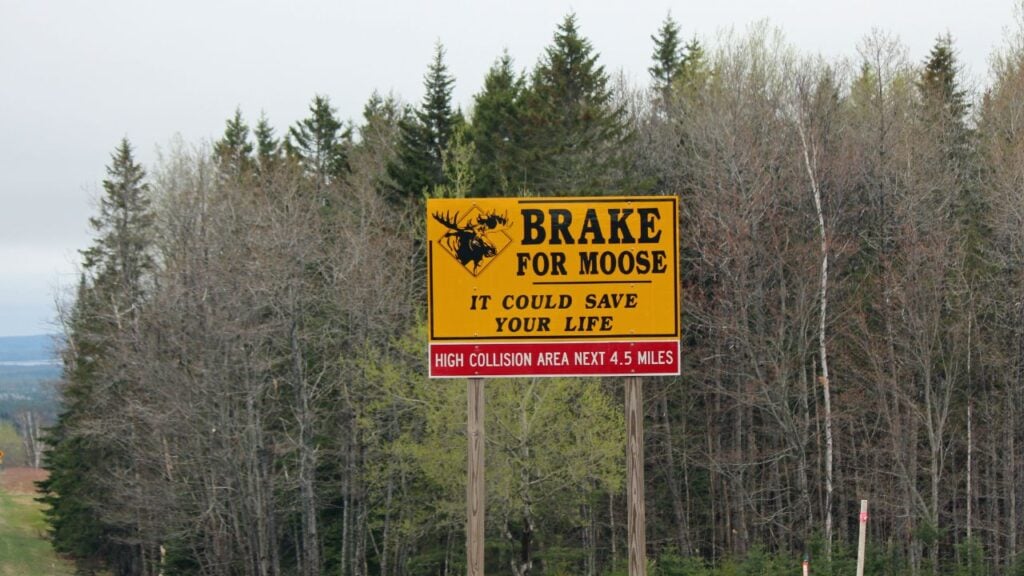
Moving to Maine can rewrite a few things you took for granted.
Here's what newcomers tend to learn the hard way.
