
9 Things You’ll Only Understand About Maine After a Winter There

Summer visitors see Maine at its best.
Winter shows what living there really takes, from the early dark to the chores that come with the cold.
Here’s what you’ll only understand about Maine after a winter there.
1. Sunset Before 4 p.m. Down East
By mid-December, a winter afternoon Down East is over before many people leave work.
In Lubec, the sun sets before 3:50 p.m. through much of December, according to the solar calculator run by the National Oceanic and Atmospheric Administration.
Portland gets about 15 to 20 extra minutes, with sunset a few minutes after 4 p.m. around the winter solstice.
The time zone explains it.
Maine sits at the far eastern edge of the Eastern time zone, which puts sunrise and sunset earlier on the clock than in cities farther west.
State lawmakers already wrote a fix into the books.
Maine law moves the state to year-round daylight time once federal law allows it.
Until Congress acts, the clocks still fall back every November.
2. Heating Oil Deliveries
About 5 of every 10 Maine households get through the winter mainly on fuel oil or other petroleum products.
That’s the largest share of any state, according to the U.S. Energy Information Administration.
So winter comes with a tank gauge to check, a delivery truck that has to reach the house, and a heating bill tied to the price of oil.
The Maine Department of Energy Resources surveys delivered-fuel dealers every week from September through April and posts a statewide average.
Those are cash prices.
Pre-buy and introductory deals aren’t counted.
Wood is the main heat source in about 1 in 11 Maine households, the same federal figures show.
3. Studded Tire Season
Studded winter tires are illegal on Maine roads from May 1 to Oct. 1, under state law.
So anyone who runs studs through the winter has a spring deadline to swap them off.
Tires with retractable studs are legal year-round, but the studs have to stay retracted through that same summer stretch.
Fire trucks and school buses are exempt.
A late snowstorm in April doesn’t move the deadline.
Only the state transportation commissioner can extend the season or issue a permit, which costs $3 to $15.
4. Sea Smoke
In winter, the surface of the Gulf of Maine hovers in the 30s, according to a National Weather Service forecaster interviewed by Maine Sea Grant.
On a frigid morning, that leaves the ocean warmer than the air above it.
The result is sea smoke.
Water evaporating off the surface meets air too cold to hold the moisture, and that moisture condenses into fog, Maine Sea Grant explains.
In the forecaster’s experience, sea smoke tends to show up over coastal waters once the air drops below 10 degrees.
A morning below zero makes it even more likely.
Psst! How much do you know about Maine’s landmarks and history? Take our quiz and see how many you can get right.
Quiz
Maine Trivia Challenge
Answer these questions on Maine’s geography, landmarks, and history. We bet you can’t get them all right. Prove us wrong?
How many other U.S. states share a border with Maine?
5. Unplowed Town Roads
A camp road that's easy to drive in August may not see a plow all winter.
Under state law, a town's municipal officers can close a road to winter maintenance for any part of November through April.
The process starts in summer.
Towns have to decide between May 1 and Oct. 1, after a public hearing announced at least seven days ahead.
Seven voters can petition for a closing, too.
A single order can keep a road closed for up to 10 winters.
6. Snowmobile Trails on Private Land
Snowmobile season in Maine plays out each winter on more than 14,000 miles of interconnected trails, according to the state Bureau of Parks and Lands.
Most of those miles cross private land.
Local clubs maintain them under cooperative agreements between landowners, the clubs and the bureau.
The bureau notes that most trails wouldn't exist without private land, and it calls riding a privilege landowners grant.
The network also includes more than 310 miles of multi-use rail trails.
7. Acadia's Loop Road Closure
Acadia National Park closes the Park Loop Road to cars for the winter every Dec. 1, except for two short stretches.
The closure covers the road up Cadillac Mountain and runs until April 14.
Cars can still reach those two stretches: Ocean Drive between Schooner Head Road and Otter Cliff Road, and Jordan Pond Road up to the Jordan Pond parking lot.
Snowmobiles can use the rest of the loop at up to 35 mph.
Volunteers groom sections of the park's 45 miles of carriage roads for cross-country skiing once the snow tops six inches and the roadbed has frozen.
Winter camping isn't allowed anywhere in the park.
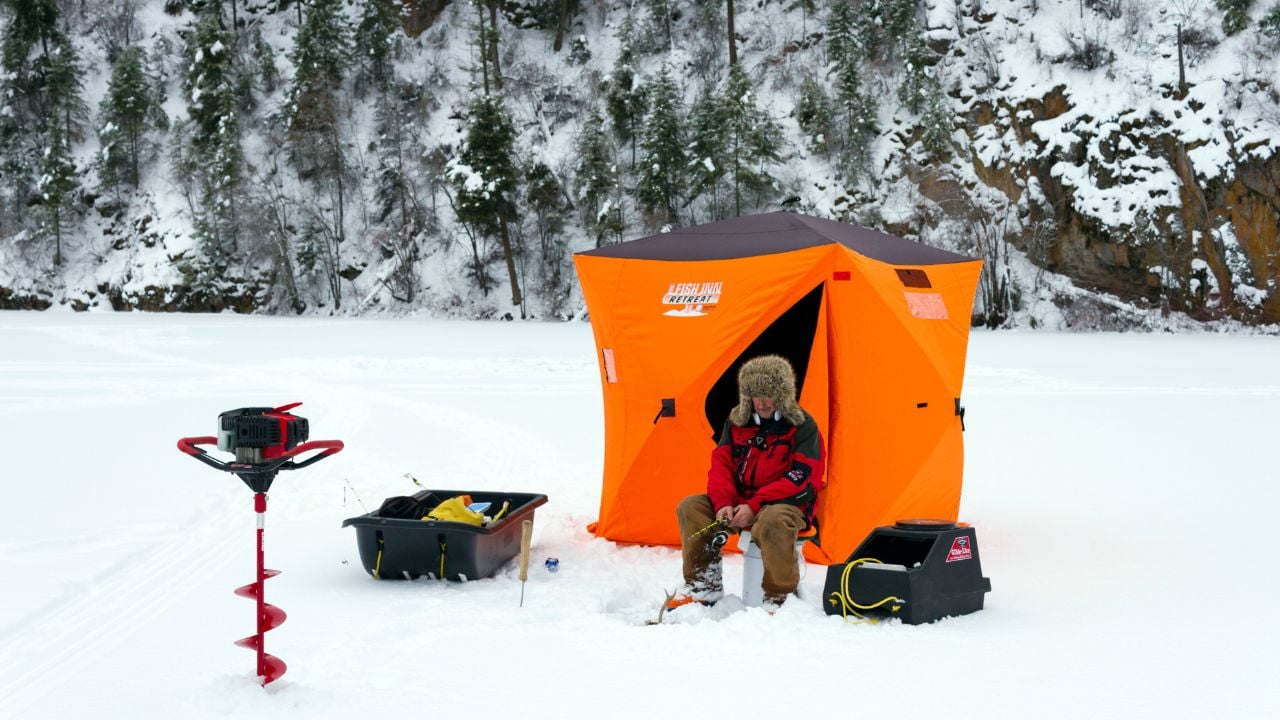
8. Ice Shack Deadlines
Every ice-fishing shack set out on a Maine lake for the winter has to come off by a date in state law.
While the shack sits on the ice, the owner's name and address have to be painted on the outside in 2-inch letters.
The deadline depends on the lake.
On waters with no closed ice-fishing season, it's ice-out or March 31, whichever comes first.
Where the season does close, the owner gets until ice-out or three days after it ends.
When an Ice Shack Stays Out Too Long
An ice shack left out past its deadline is a civil violation in Maine, with a fine of $100 to $500.
Repeat offenders face more.
Someone with three or more prior fish-and-wildlife civil violations within five years can be charged with a Class E crime.
A landowner can also remove an abandoned ice shack left without permission and sue the owner for the removal cost.
9. Ice-Out Watch
The end of winter on a Maine lake has an official definition.
The state Bureau of Parks and Lands calls it ice-out when someone can travel from one end of a lake to the other without being stopped by ice floes.
Cove ice doesn't count.
People email their sightings to the bureau, and it updates its ice-out table on weekdays each spring.
Subscribers get a daily alert at 4:30 p.m. when the table changes.
In 2026, Sebago Lake's ice went out on April 4.
Moosehead Lake didn't reach ice-out until May 1, almost four weeks later.
5 Things Mainers Do When Lobster Boats Come In That Tourists Find Fascinating

Maine bans hauling a lobster trap from a half hour after sunset until 4 a.m. through September and October.
So every boat in the harbor comes in on the same clock, and what happens on the wharf in that window is worth standing still for.
5 Things Mainers Do When Lobster Boats Come In That Tourists Find Fascinating
5 Short-Term Rental Caps That Surprise New Maine Coastal Owners
Portland recalculated its cap on non-owner-occupied short-term rentals on September 1, swapping the flat 400-unit ceiling for a formula.
The new ceiling can shrink every year, and that's only one of the caps along the coast.
5 Short-Term Rental Caps That Surprise New Maine Coastal Owners
