
12 Things Only a Virginia Childhood Teaches You

If you grew up in Virginia, a city that isn’t part of any county sounds normal.
Outside the state, there are only three.
Here’s what only a Virginia childhood teaches you.
1. Virginia Studies
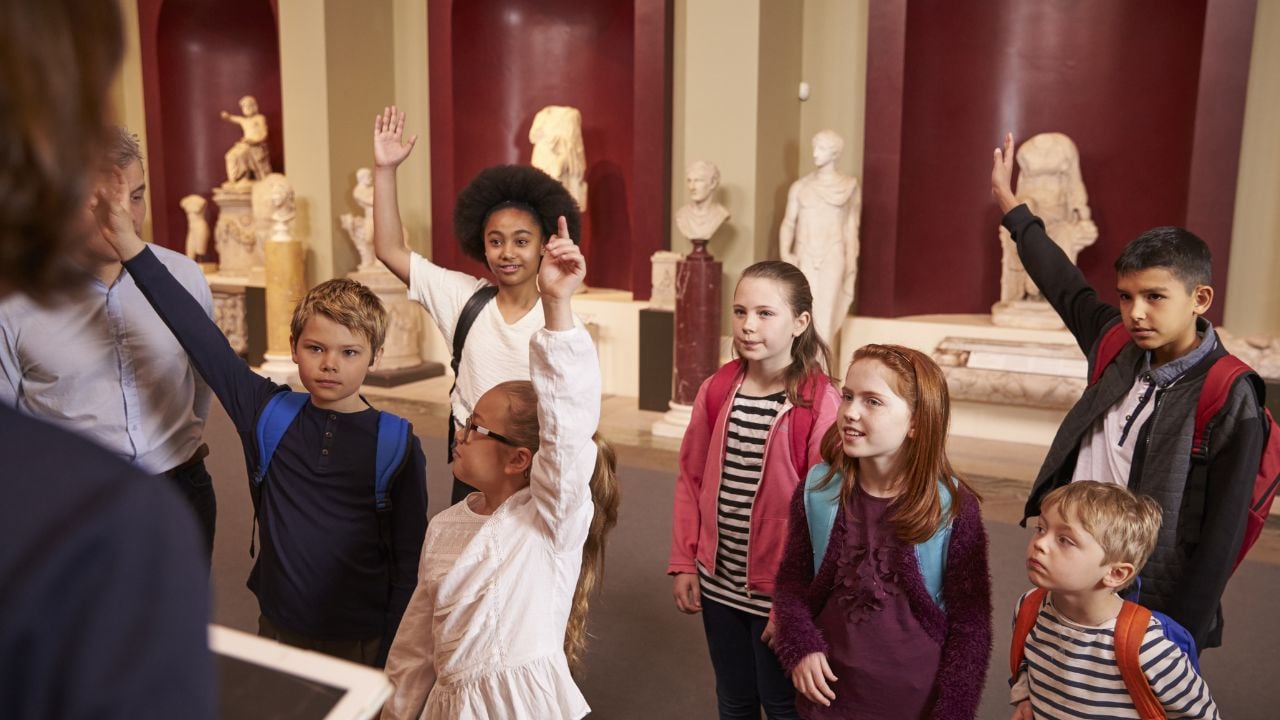
Virginia Studies is a fourth-grade course in places like Newport News and Virginia Beach, so you meet your state’s history early.
In Virginia Beach schools, fourth graders study the state’s physical geography and its Indigenous people.
They also cover the early English settlements and the colony in the years before the American Revolution.
Georgia’s version, Georgia Studies, is an eighth-grade course.
That’s four grades later.
Newport News schools tell families that fourth graders get blank paper during the Virginia Studies Standards of Learning (SOL) test.
They can use it to write down the names, dates and diagrams they remember.
2. SOL Tests
SOL tests start in third grade.
State law has the Board of Education prescribe them for students in grades three through 12.
The law limits the tests for third and fourth graders to reading and math, with science added in fifth grade.
High school brings end-of-course tests in English, math, science, and history and social science.
State law also lists a Virginia Studies test, and each local school board picks the grade for it.
Texas calls its version the State of Texas Assessments of Academic Readiness (STAAR).
It covers grades 3 through 8 and high school.
If you went to public school in Virginia, your SOL tests began in third grade.
3. School Start Dates
Your school year’s start date isn’t up to your school board alone.
State law generally keeps the first day for students from coming earlier than 14 days before September 1.
That’s August 18.
If your division opens before Labor Day, your schools have to close from the Friday before it through Labor Day.
The Board of Education can waive the rule for year-round schools.
4. Independent Cities
Virginia’s independent cities don’t belong to any county.
There are 41 independent cities in the country, and 38 of them are in Virginia.
The largest is Baltimore, in Maryland.
It split from Baltimore County in 1851.
Richmond, Norfolk and Virginia Beach are all independent cities, so if you grew up in one, you grew up outside any county.
How Virginia’s Independent Cities Formed
Virginia’s first city, Williamsburg, was incorporated in 1722.
Virginia Beach took in Princess Anne County in 1963, so that county no longer exists.
A 1988 act let any city with fewer than 50,000 residents petition to become a town again.
Three cities have done it: South Boston in 1995, Clifton Forge in 2001 and Bedford in 2013.
5. Historical Markers
Virginia’s roadside historical markers began in 1927, when a handful went up along U.S. 1 between Richmond and Mount Vernon.
There are now over 2,600.
The Department of Historic Resources says its program is the oldest of its kind in the nation.
Each marker has black lettering against a silver background.
Removing or damaging one without approval can be a Class 6 felony if the damage is $1,000 or more.
If you’re on a road trip, you can search a marker’s location and text in the state’s online database.
Many people remember reading them from the back seat on road trips.
6. Jamestown
Jamestown is where England established its first permanent colony in 1607.
Plymouth came 13 years later, when the Pilgrims landed in Massachusetts in 1620.
Students in Newport News schools take field trips to Jamestown Settlement in second grade and again in fourth.
Fourth-grade lessons in Virginia Beach schools include life in the Jamestown colony.
If you went to school in Newport News, you may have made that trip twice.
7. Colonial Williamsburg
Colonial Williamsburg says its Historic Area and art museums have been a school field trip destination for over 90 years.
Virginia’s capital moved from Williamsburg to Richmond in 1779.
The Colonial Williamsburg Foundation offers funded field trips to help students meet the Virginia Standards of Learning in history and social science.
It also offers grants for fourth-grade classrooms in nearby school divisions.
If your class made the trip, you explored what Colonial Williamsburg calls a 301-acre living history classroom with more than 300 original and restored buildings.
8. Yorktown
Yorktown is where American and French troops defeated the British on October 19, 1781, in the last major battle of the American Revolutionary War.
Newport News schools send fourth graders to the Yorktown battlefields and the American Revolution Museum on field trips.
If your fourth-grade class was in Newport News, you may have walked that battlefield.
The Colonial Parkway, a 23-mile scenic road, stretches from the York River at Yorktown to the James River at Jamestown.
Follow it, and you go from the site of the 1607 settlement to the 1781 battlefield.
9. Civil War Battlefields
Civil War battlefields are field-trip stops, and Manassas National Battlefield Park says its ranger-led school trips have been popular for decades.
Its programs align with the Virginia Standards of Learning.
If your class went to Manassas, you could have done a grade-level scavenger hunt in the museum.
The park offers the scavenger hunts to school groups from second through 12th grade.
Fredericksburg and Spotsylvania National Military Park coordinates field trips for students too.
The Library of Virginia calls the state the most contested battleground of the Civil War.
10. Driver’s License Ceremonies
Your Virginia driver’s license starts with a learner’s permit, which you can get once you’re over 15 years and six months old.
If you’re under 18, you have to log at least 45 driving hours first, and 15 of them have to come after sunset.
New Jersey won’t license you until you’re 17, after at least 50 practice hours.
Under the Code of Virginia, the Department of Motor Vehicles (DMV) sends licenses for drivers under 18 to the juvenile and domestic relations court.
A judge there presents each license at a formal ceremony.
A parent, guardian or spouse has to go with you.
A district’s chief judge can waive the ceremony, and then the DMV mails the license.
11. Chincoteague Ponies
Chincoteague ponies belong to the Chincoteague Volunteer Fire Company, which owns and manages the herd that lives in Virginia.
The herd grazes on a national wildlife refuge under a permit that caps it at about 150 adult animals.
Over the state line, the National Park Service manages the Maryland herd, and a fence keeps the two herds apart.
If you read Misty of Chincoteague as a kid, you met the ponies through Marguerite Henry’s 1947 novel.
You can watch the annual Pony Swim in late July, when the fire company’s herd is rounded up and swum from Assateague Island to Chincoteague Island.
Most of the young foals are auctioned off the next day, and the proceeds benefit the volunteer fire department.
The event officially began in 1925, after fires in the town of Chincoteague led residents to auction off wild horses and fund a volunteer fire department.
Psst! How Virginian was your childhood? Take our quiz and see how many you can get right.
Quiz
How Virginian was your childhood?
Think you know the Old Dominion? Let’s find out.
What’s Virginia’s official state beverage?
12. Kings Dominion vs. Busch Gardens
You can trace the rivalry between Kings Dominion and Busch Gardens Williamsburg to May 1975, when the parks opened 70 miles and 13 days apart.
Kings Dominion, built on a Hanover County cornfield, drew 52,000 visitors on opening day and turned away nearly as many.
Busch Gardens, with its replica European villages, drew 6,000.
Which park you pick often comes down to preference, price and nostalgia.
Busch Gardens answered with the Loch Ness Monster, which Axios calls the world's first interlocking loop steel coaster.
Kings Dominion hit back with The Lost World, a 15-story synthetic mountain with three rides.
10 Things Chesapeake Bay Virginians Miss Once They Move Inland
Leaving the water behind can change more than your address.
Blue crabs, ospreys and the water itself are easy to take for granted until you leave them behind.
10 Things Chesapeake Bay Virginians Miss Once They Move Inland
8 Vanishing Diner Foods Virginians Still Talk About
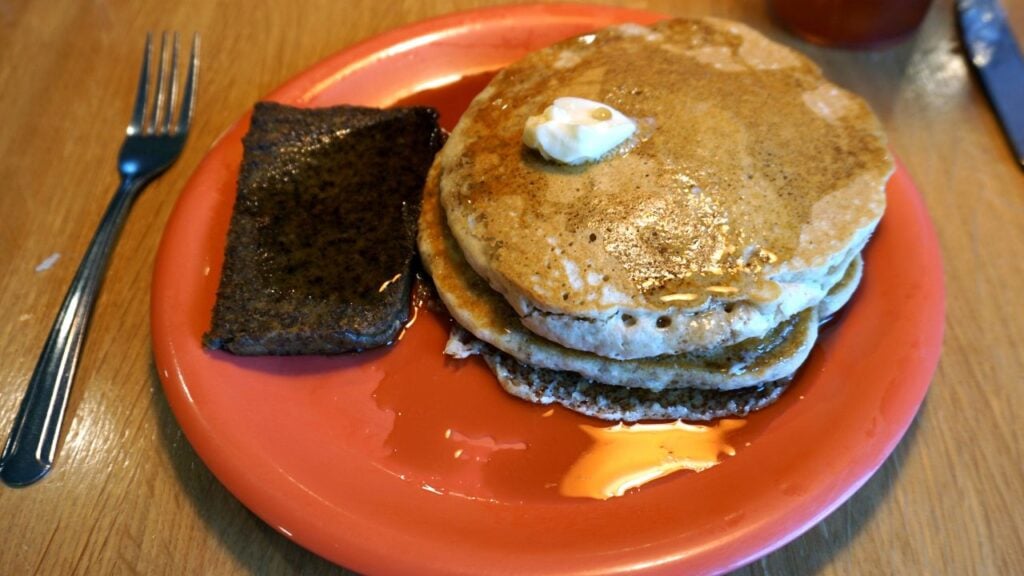
Many diner dishes still get talked about, and some have outlasted the counters that served them.
Some of those plates are getting harder to find, even in the places that made them famous.
