
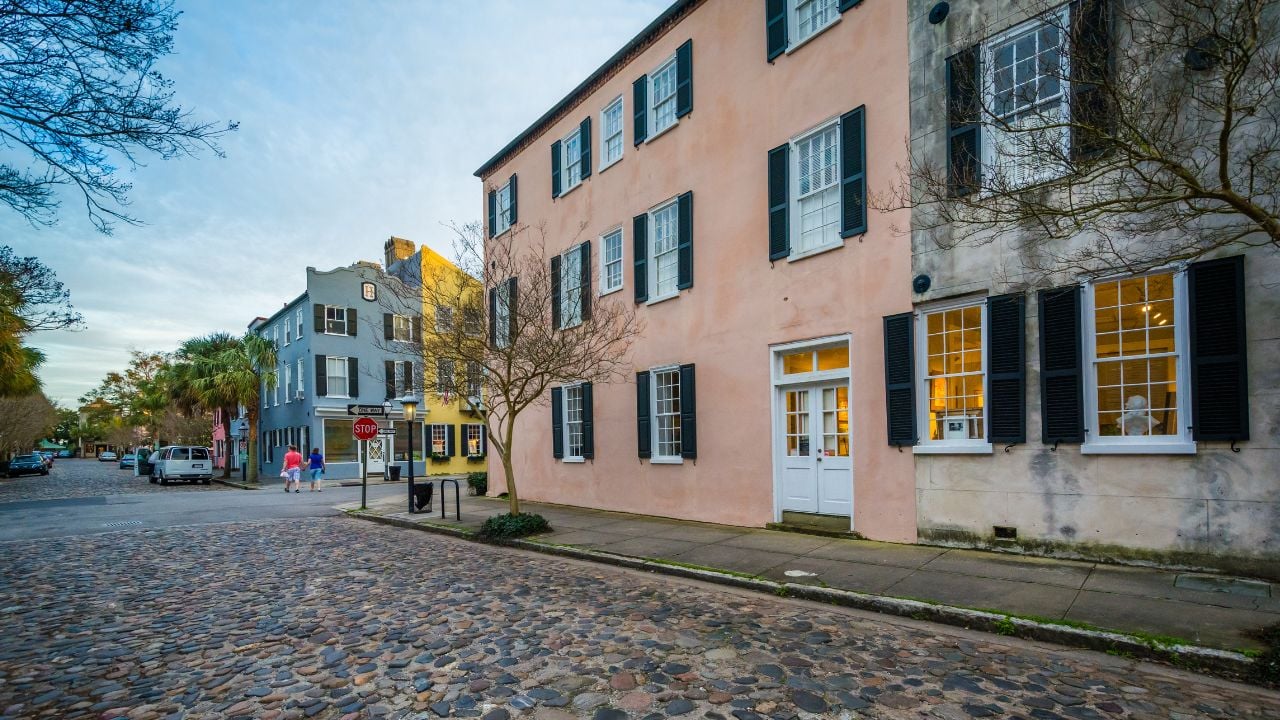
6 Things Upstate and Lowcountry South Carolinians Will Never Agree On

Every South Carolina family with roots in both the Upstate and the Lowcountry has topics it steers around at the holiday table.
Even a winter forecast can split the room.
Here are the things Upstate and Lowcountry South Carolinians will never agree on.
1. Barbecue Sauce
A heavy, tomato-based barbecue sauce is found in the western and northwestern corner of South Carolina, according to Discover South Carolina, the state’s tourism site.
Greenville, an Upstate city, sits in northwestern South Carolina.
For the coast, Discover South Carolina describes a vinegar and pepper sauce that is perfect for those who love a bit of heat.
If you drive from the northwest corner to the coast, you’d pass from Discover South Carolina’s heavy tomato territory to its vinegar and pepper territory.
South Carolina’s Other Two Barbecue Sauces
Discover South Carolina lists four barbecue sauces for the state, and the other two sit elsewhere on the map.
Discover South Carolina says mustard sauce is most popular in the middle of the state, where German families settled in the 1700s.
It says light tomato sauce is most popular in the Pee Dee Region in the northeast corner and in the upper middle part of the state.
2. Two Ways to Count a City
The 2020 Census counted 150,227 people in the city of Charleston and 70,720 in the city of Greenville.
Charleston has more than twice as many.
Greenville County had 525,534 people in 2020, and Charleston County had 408,235.
The Federal Highway Administration’s history of Interstate 26 says the Upstate is centered on Greenville and Spartanburg.
If you compare the two cities, Charleston is larger, and if you compare the two counties, Greenville County is.
3. Winter Weather
South Carolina’s annual average temperature varies from the mid-50s in the mountains to the low 60s along the coast, according to the State Climatology Office.
Winter averages range from the mid-30s in the mountains to the low 50s in the Lowcountry.
Discover South Carolina places the state’s mountain landscapes in the Upstate.
If you want to know how a winter feels, the office’s numbers say it depends on whether you’re in the mountains or the Lowcountry.
If you’re hoping for snow, the State Climatology Office says measurable snowfall may occur from one to three times in a winter in all areas except the Lowcountry, where snowfall occurs on average once every three years.
4. Mountains Versus Marsh
If you stand on Sassafras Mountain in Pickens County, you’re at the highest point in South Carolina, which the state Department of Natural Resources puts at 3,553 feet.
An observation tower on the mountain opened on Earth Day, April 22, 2019, according to the same agency.
If you head south from Charleston, the National Oceanic and Atmospheric Administration says the ACE Basin National Estuarine Research Reserve is 45 minutes away.
The reserve protects 99,308 acres that include tidal marshes, cypress swamps, oyster reefs and old rice fields.
NOAA calls the basin one of the largest undeveloped estuaries on the East Coast.
Britannica’s student encyclopedia describes the Lowcountry by the constant presence of water, whether salt, fresh or brackish.
Psst! How much do you know about the Palmetto State? Take our quiz and see if you can ace it.
Quiz
Palmetto State Quiz
Answer these questions on South Carolina’s geography, symbols and history. We bet you can’t get them all right. Prove us wrong?
Fort Sumter, where the Confederacy fired on a U.S. garrison on April 12, 1861, is reachable today only by what?
5. Rice Fields and Textile Mills
English colonists established Charles Towne in 1670, according to Britannica.
The settlement relocated to its current site in 1680, and Charleston grew into the main hub for trading rice and indigo.
Greenville sits on the Reedy River in the foothills of the Blue Ridge Mountains.
The Greenville and Columbia Railroad ended in Greenville on its western side, which made the town the Piedmont's center of commerce.
If you follow the Reedy River through Greenville, you're following the waterpower used to develop manufacturing after the Civil War.
Greenville's Textile Hall was the site of the biennial Southern Textile Exposition from 1917 to 1964.
6. BMW and the Port
In the Lowcountry, the South Carolina Ports Authority, which operates the Port of Charleston, calls itself the eighth largest container port in the country.
If you ask the ports authority how far its reach goes, it says one in nine South Carolina jobs is connected to the port.
It also runs two rail-served inland ports, one in Dillon and one in Greer.
In the Upstate, BMW says its Spartanburg plant has assembled vehicles since 1994 and employs more than 11,000 people on a 10-million-square-foot campus.
If you visit Spartanburg, BMW says the plant you'd find assembles more than 1,500 vehicles a day on two shifts, and its lineup includes the X5 and X7.
How Many Counties Make a Region
If you look up the Upstate, the Upstate SC Alliance says ten counties make up the region.
Britannica's student encyclopedia says the area is called the Upstate or Upcountry, and the Greenville visitors site places the city in the heart of South Carolina's Upcountry.
If you ask the Lowcountry Council of Governments whom it serves, the answer is four counties: Beaufort, Colleton, Hampton and Jasper.
The Berkeley-Charleston-Dorchester Council of Governments serves three counties, and it is a partner in the transit project Lowcountry Rapid Transit.
The Drive on I-26
If you drive Interstate 26, you cover 221 miles of South Carolina, running from the Atlantic Ocean to the Appalachian Mountains.
Charleston, Columbia and Spartanburg are the major cities along the route.
If you turn off near Clinton, Interstate 385 connects I-26 to Greenville.
The entire route was finished by February 1969.
A dedication ceremony was held in Charleston on March 10, 1969.
15 Habits That Give Away a South Carolina Native Within Five Minutes
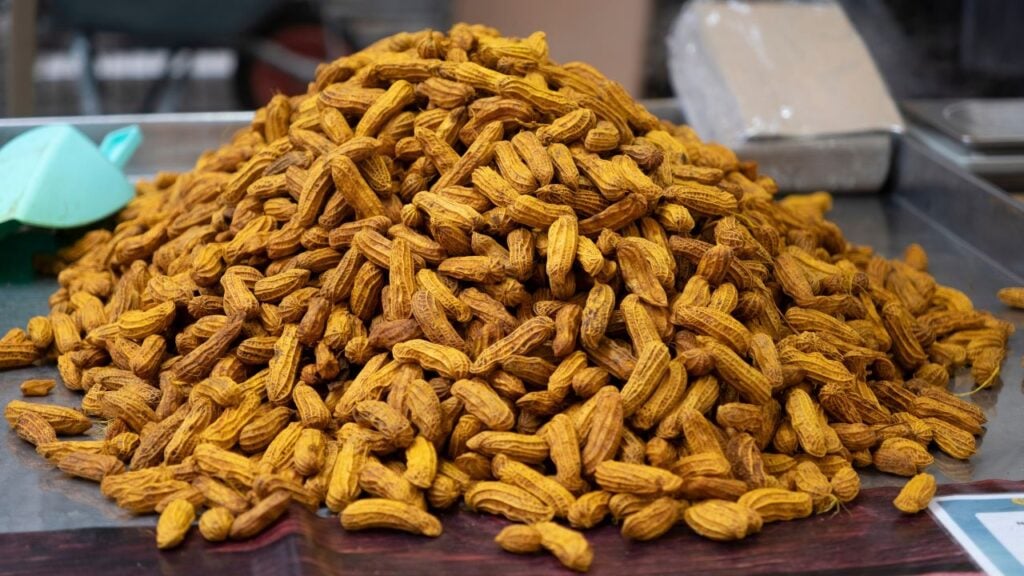
Natives and newcomers can look alike for a while.
A few everyday habits often do the giving away.
15 Habits That Give Away a South Carolina Native Within Five Minutes
9 Foods South Carolinians Call Something Different From Other Americans
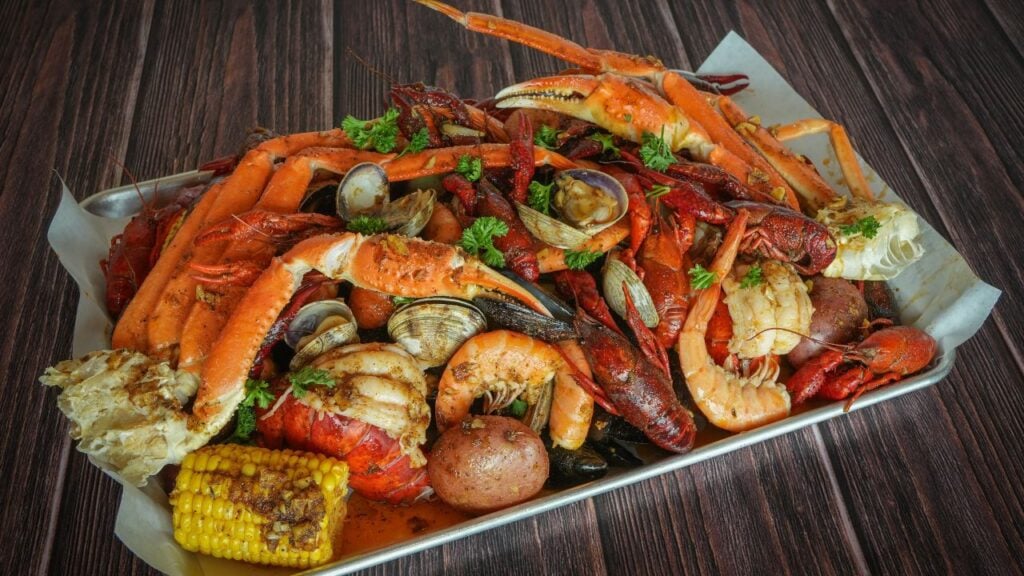
What do you call a peanut?
The answer may depend on where you grew up.
9 Foods South Carolinians Call Something Different From Other Americans
