
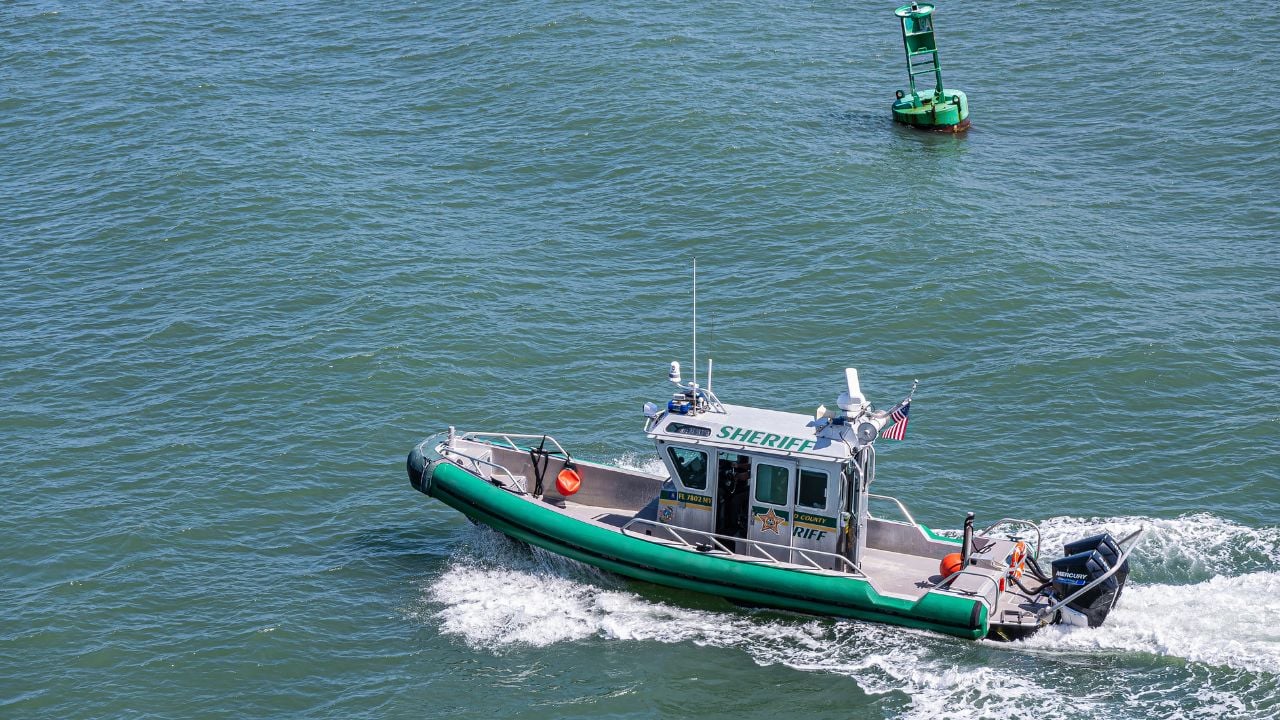
6 Boat Stop Rules Some Floridians Still Get Wrong, No Matter Their Years on the Water

That new decal on your boat might seem like a free pass for a quiet holiday weekend on the water.
It doesn’t cover as much as many Florida boaters assume, though.
Here are the boat stop rules some Floridians still get wrong, no matter their years on the water.
Note: This is general information, not legal advice. Boating laws and decal procedures are subject to change, so confirm the current requirements with the Florida Fish and Wildlife Conservation Commission (FWC).
1. No Inspection-Only Stops
Florida’s Boater Freedom Act ended inspection-only boat stops on July 1, 2025.
Before then, an officer could pull alongside your boat just to check its safety gear.
Not anymore.
The law now bars an officer from stopping or boarding your boat solely to inspect its safety or marine sanitation equipment.
That covers the life jackets and other gear you’re required to carry.
2. Probable Cause Stops
Boat stops didn’t end when inspection-only stops did.
An officer who has probable cause that a boating law is being broken can still stop or board your boat.
Boating under the influence is one example.
Florida sets the same 0.08 blood-alcohol limit for a boat that it sets for a car.
If you’re under 21, a breath-alcohol level of 0.02 or higher breaks the law.
A first conviction can mean a fine of $500 to $1,000 and up to six months in jail.
3. Safety Gear Still Required
Boat safety gear is still required, even though an officer can’t stop you just to count it.
FWC says every boat needs a wearable Coast Guard-approved life jacket for each person on board.
On a boat shorter than 26 feet, any child under 6 has to wear a life jacket while the boat is underway.
Underway means any time your boat isn’t anchored, moored, tied to shore or aground.
4. Freedom Boater Decal
The Florida Freedom Boater decal doesn’t stop an officer who has probable cause of a violation.
You get the decal by signing a form at your county tax collector’s office.
FWC tells owners not to bring the boat or its gear to the counter.
Instead, you sign a statement that your boat carries the required safety equipment.
It’s paperwork.
The statute doesn’t explicitly require you to have the decal, according to the Florida Sea Grant review.
But a boat that carries one is deemed to have met the safety equipment requirements.
The Miami-Dade tax collector’s office has offered the decal since at least December 2025.
Florida Freedom Boater Decal Details
You pay no separate fee for the Florida Freedom Boater decal because you get it when you register or renew.
The decal goes within 6 inches of your registration decal.
A boat registered in another state doesn’t need the decal while it visits Florida.
5. Paperwork Aboard
Even without inspection-only stops, the paperwork aboard your boat still counts.
A Florida boating safety education ID card and photo ID are required if you were born on or after Jan. 1, 1988.
The rule applies when you operate a boat with a motor of 10 horsepower or more.
In 2026, the rule includes adults in their 30s.
If you run a boat without the card, you’ve committed a noncriminal infraction.
A temporary certificate with photo ID is valid for 90 days after it’s issued.
Operating only on a private lake or pond is exempt.
Your boat’s registration certificate also has to be aboard and available for inspection whenever you operate it.
6. Coast Guard Boardings
Florida’s ban on inspection-only boat stops doesn’t limit the U.S. Coast Guard, according to a Florida Sea Grant legal review.
Federal law lets Coast Guard officers go on board any vessel subject to U.S. jurisdiction at any time.
If your boat is on waters under U.S. jurisdiction, you could see a Coast Guard crew come aboard.
What Happens After a Lawful Stop
Florida law treats a violation of safety or marine sanitation equipment requirements as a secondary offense, not a primary offense.
A primary offense has to come first.
Boating under the influence is one example, according to the Florida Sea Grant review.
Once an officer has made a lawful stop, the officer can then inspect your safety and marine sanitation equipment.
So the equipment check comes after the stop, not before it.
Springs and Energy Sources
The Boater Freedom Act also changed two boating rules that have nothing to do with inspection stops.
FWC can now change the allowed ways to anchor, moor, beach or ground a boat inside a springs protection zone, on top of its older power to restrict speed.
A zone now requires significant harm, and boats have to be the predominant cause of it.
A second change bars a state agency, municipality or county from restricting the use or sale of a watercraft based on its energy source.
So a county can’t restrict the use of your gas-powered boat or your neighbor’s electric boat.
Psst! How much do you know about boating and waterways? Take our quiz and see if you can ace it.
Quiz
Waterway IQ
Answer nine questions on boating rules, rivers and lakes. We bet you can’t get them all right. Prove us wrong?
Outside a swimming, surfing or bathing area, how does Florida classify a paddleboard?
Open Questions
The Boater Freedom Act leaves some questions open.
A University of Florida law professor emeritus raised them in the Florida Sea Grant review.
If your boat carries a decal, the law doesn't make clear how long it stays deemed compliant after registration or renewal.
It also questions how registration, which can be done by mail or online, can verify how you use your safety equipment.
The energy source rule could also call into question any zone that limits boats by energy source, including FWC's seagrass propeller limitation zones.
7 Wild Animals Floridians Can Be Fined for Feeding
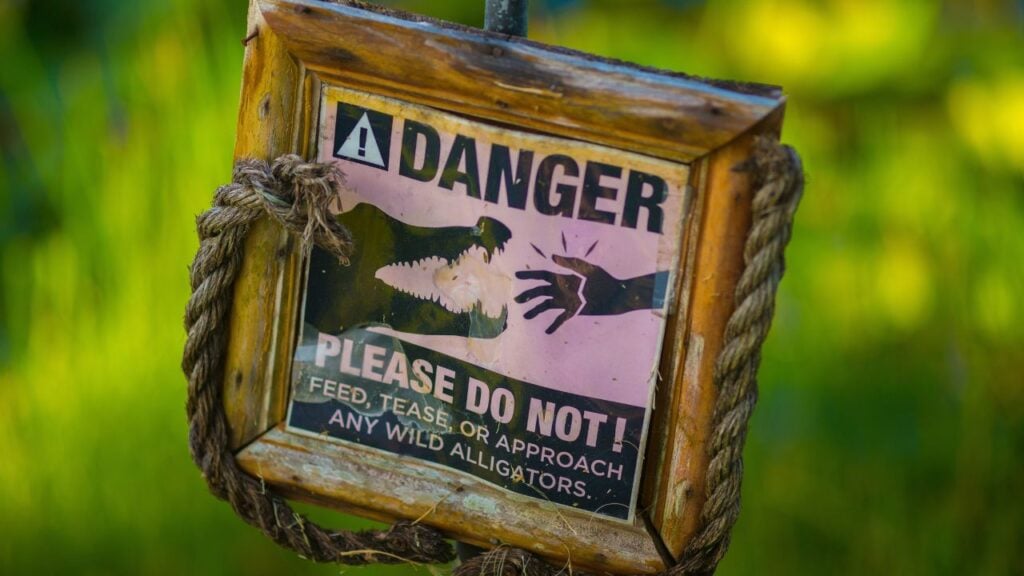
Tossing a little food to a wild animal can feel kind.
In Florida, it can also get you fined, and the list goes well beyond the animals you'd expect.
7 Wild Animals Floridians Can Be Fined for Feeding
12 Things Floridians Keep in Their Car That Confuse Visitors
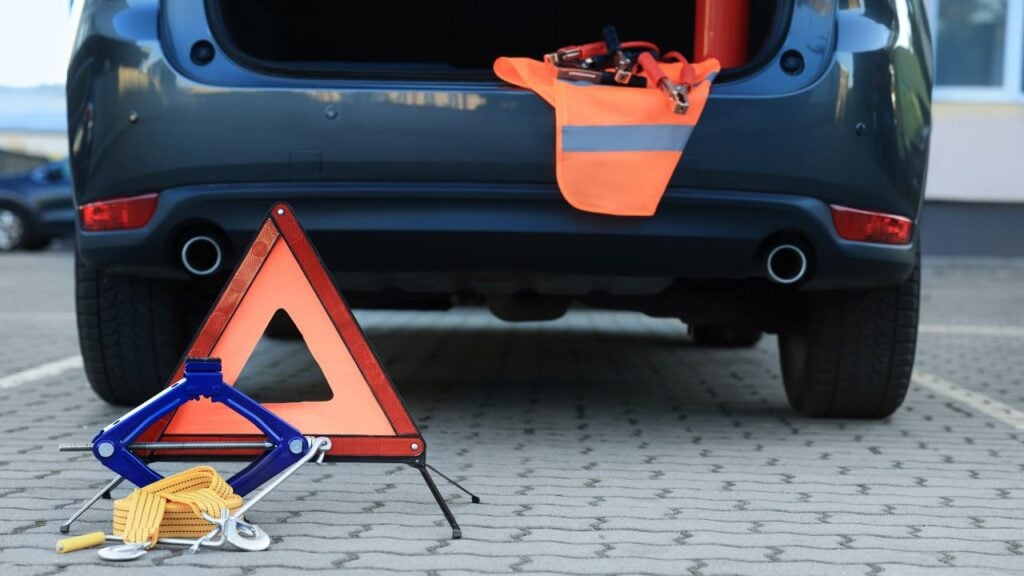
You might be surprised by what's riding in a Florida trunk.
Visitors who peek inside may wonder why it looks so full.
12 Things Floridians Keep in Their Car That Confuse Visitors
