
8 Things Arizonans Can’t Bring Home Across the State Line Without a Permit

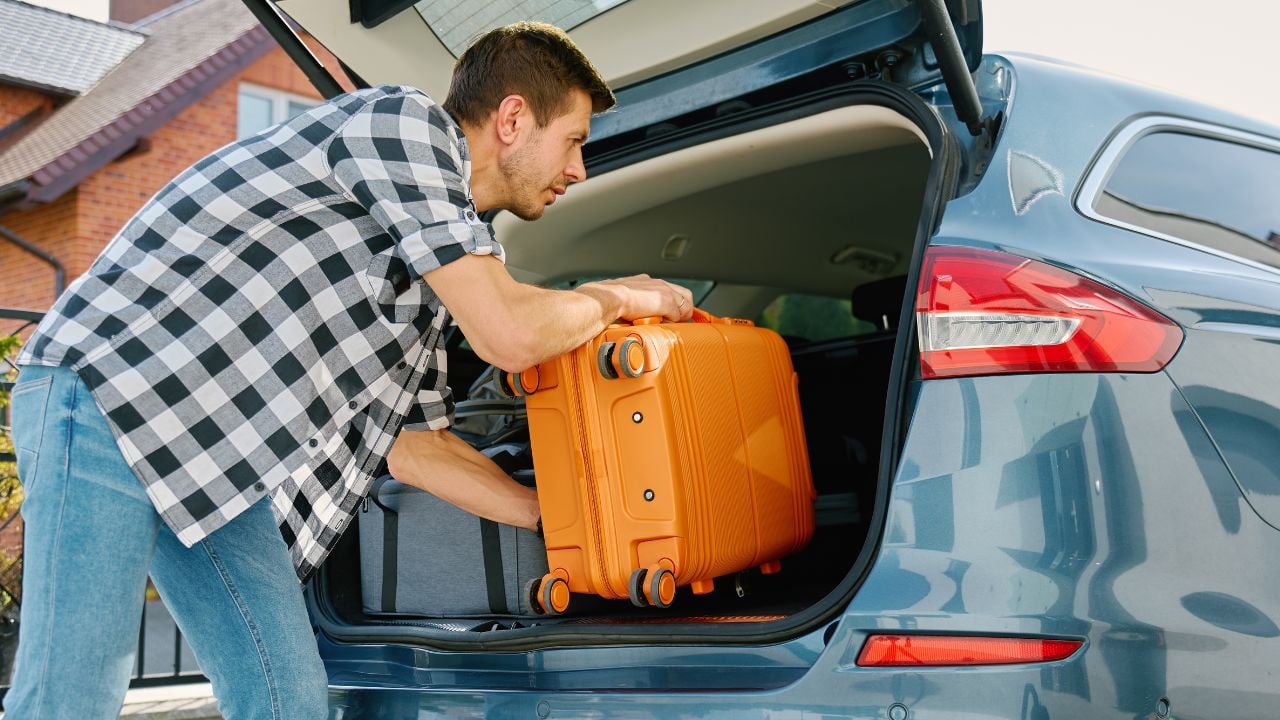
Driving home to Arizona after Thanksgiving with gifts from family in your trunk?
A potted plant from a relative’s yard might need paperwork before you cross into the state.
Here are the things Arizonans can’t bring home across the state line without a permit.
Note: This is general information, not legal advice. Import rules, permit requirements and penalties are subject to change.
1. Palms From Quarantined Areas
Arizona’s palm quarantine blocks queen palms, windmill palms, date palms and Mexican fan palms from certain areas unless conditions are met before shipping.
Those areas include all of Florida, plus parts of Texas and Louisiana.
The Texas list includes Cameron, Hidalgo and Willacy counties.
A plant regulatory official has to certify the shipment, and field-grown plants are out.
Your palms also need an inspection before they ship, plus a treatment for a planthopper that carries palm disease.
If a shipment falls short, you have to destroy the palms or send them back out of state.
The owner pays.
2. Citrus Trees
Under Arizona’s citrus rule, any citrus plant you bring from another state counts as regulated nursery stock.
The rule covers plants and plant parts, not only whole trees.
Seeds are one exception.
To enter, a citrus plant has to come through a federally approved interstate program or a state-authorized certification program.
If your tree arrives without that paperwork, the rule calls for destruction, treatment or removal from the state.
3. Fire Ant Soil and Hay
Soil from red imported fire ant areas faces a separate quarantine rule in Arizona.
If you bring soil or plants associated with soil from a quarantined area, they have to go to an approved holding area under the fire ant rule.
They stay there at least three days unless an inspector releases them sooner.
Hay isn’t exempt.
It needs a federal permit stating it’s free of fire ants.
Your bales also need to have been stored away from direct contact with the ground.
What a Fire Ant Holding Area Takes
Arizona’s fire ant rule spells out what a holding area has to look like.
The floor has to be a permeable surface, such as sand or soil, and free from debris, grass or weeds.
Outdoors, your area has to sit at least 15 feet from any masonry wall, property boundary or plant that isn’t under quarantine.
It also has to be isolated from public access and surrounded by a fence or other barrier.
4. Firewood
The Arizona Department of Agriculture bars firewood from nut-bearing trees, such as walnut, hickory and butternut, unless it has proper treatment and certification.
Pecan makes the list.
The same bar covers firewood from emerald ash borer areas and from federally regulated zones, such as those for fire ants or gypsy moths.
If your firewood comes from one of those places, you need treatment and certification before it crosses the line.
The department adds that moving firewood from state to state is generally a bad idea because it is a major pathway for wood-boring pests.
5. Boats From Infested Waters
If your boat has been in a place with aquatic invasive species in the past 30 days, you have to decontaminate it before it touches Arizona waters.
A boat that last sat in infested water two weeks ago is still inside that window.
Your trailer counts too.
Arizona Game and Fish tells boaters to clear mud, plants and mussels off the hull, anchor, lines, engine and trailer.
A violation carries a civil penalty of up to $500.
Ignore an order to decontaminate and a court must also make you repay the state’s decontamination costs, up to $50.
Knowingly releasing the species into Arizona waters or selling it is a class 2 misdemeanor.
Psst! Is your load ready for the state line? Run through this checklist and see where you stand.
6. Fireworks Beyond the Legal List
You won’t find firecrackers, bottle rockets or roman candles on Arizona’s list of permissible consumer fireworks.
The list leaves out anything designed to rise into the air and explode.
Fountains, ground spinners and wheels make the cut.
So do sparklers.
In counties with more than 500,000 residents, adult snappers make the list too.
The fireworks law exempts sales to wholesalers and dealers when the fireworks are shipped directly out of state.
A buyer who uses that exemption to get fireworks that aren’t permissible, for use in Arizona, owes a civil penalty.
That’s $150 per violation, and a seller who helps owes $1,000.
Your city or town can still prohibit using even the permissible kinds.
7. Restricted Live Wildlife
Arizona’s list of restricted live wildlife includes rattlesnakes, Gila monsters, snapping turtles and desert tortoises.
To possess any animal on it, you need all applicable federal licenses and permits, plus the appropriate Arizona special license or a lawful exemption.
The list reaches past reptiles to include certain fish, freshwater crayfish and zebra and quagga mussels.
Yes, even crayfish.
Mammals, birds, amphibians and reptiles that aren’t restricted can come in without an Arizona special license if another state’s license or permit covers them.
You also need to carry the health certificate the rules require, when one applies.
8. Horses and Livestock
Livestock coming into Arizona need an original health certificate from a veterinarian, issued within 30 days before the animals arrive.
Your livestock also need an import permit, but cattle going straight to slaughter and horses are exempt.
Certain types of livestock need disease testing too.
If you’re trailering a horse home that is six months or older, it needs a negative test for equine infectious anemia, known as the Coggins test.
Pending results mean no entry.
If your animals come from a state with a vesicular stomatitis outbreak in the past 60 days, the certificate is good for no more than 14 days.
Houseplants and Fruit in Your Car
Indoor houseplants can enter Arizona without a certificate from the state they came from.
They have to be free of insects and in a commercially prepared potting mix.
All other plants you bring in need a certificate issued by the origin state saying they’re generally pest-free.
If you’re carrying a few fruits or vegetables in a passenger vehicle, the department says that’s not a major concern.
Federal produce rules can still apply, depending on the variety and where it came from.
Requirements for citrus fruit can differ from what Arizona requires for apples or peaches.
6 Arizona Ghost Towns Arizonans Still Drive Out to See
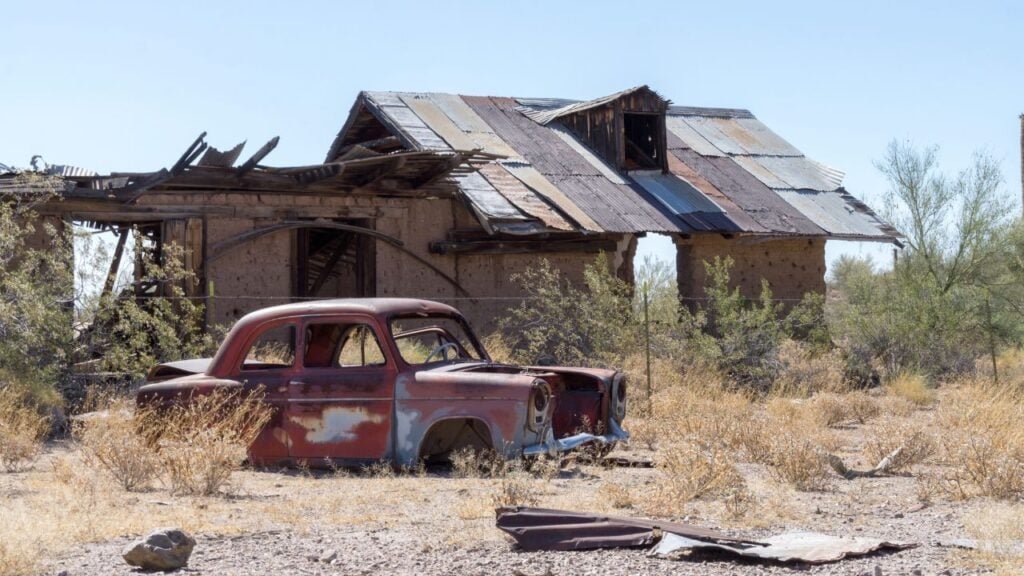
Some of Arizona’s best road trips end at a town with no one left in it.
You can walk dusty streets, peek into old buildings and picture who lived there.
6 Arizona Ghost Towns Arizonans Still Drive Out to See
7 Fry’s Secrets Employees Wish Arizonans Knew

Every little saving adds up these days.
Many Arizonans who shop at Fry’s miss a few savings along the way.
