
12 Louisiana Foods and Drinks Locals Defend to Anyone From Out of State

Tomorrow’s Monday, and in a lot of Louisiana kitchens, that still means a pot of red beans on the stove.
There’s a reason the tradition started on laundry day.
Here are the Louisiana foods and drinks locals defend to anyone from out of state.
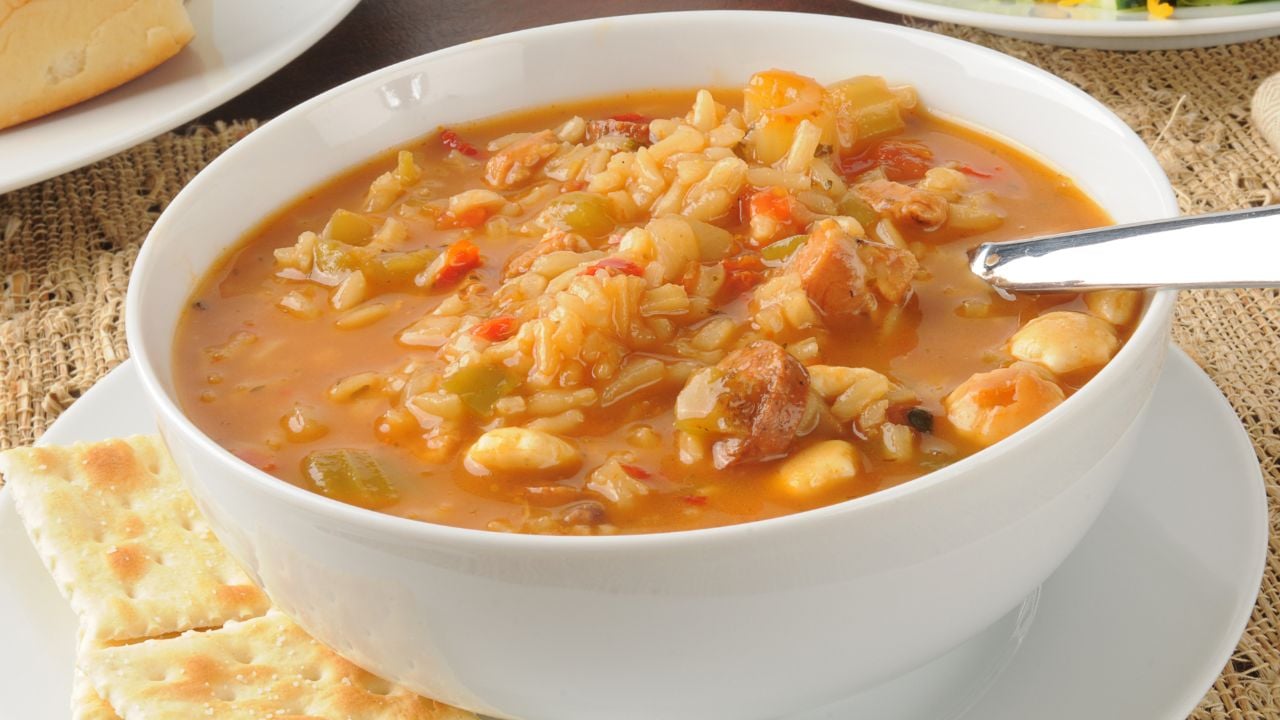
1. Gumbo
Gumbo is Louisiana’s official state cuisine, a title the legislature gave it in 2004.
Texas, by comparison, lists chili con carne as its state dish.
Many cooks build gumbo on a roux, which is flour stirred in oil or lard until it turns caramel brown.
If you ask about the roux, many locals will tell you how dark it should go.
Cooks near the coast and its waterways added oysters, crabs and shrimp.
Along the southwestern prairies, poultry-based gumbos predominated.
2. Boudin
Boudin is a sausage of cooked pork, rice, onions and cayenne, and the links are steamed or simmered.
According to 64 Parishes, the earliest recorded boudin made with rice appeared in the Lafayette Daily Advertiser in 1939.
You can squeeze the filling out of the casing and spread it on a cracker or between slices of bread, and some people eat the casing too.
If you’re hunting for boudin, the state tourism office says the best is often found at gas stations, meat shops and independent grocers.
3. Cracklins
Cracklins are a Cajun specialty found mainly in southern Louisiana.
Billy’s Boudin & Cracklins in Krotz Springs and Hebert’s Boudin & Cracklins in Opelousas are two shops that sell both cracklins and boudin.
If you have never tried them, think pork rinds that are meatier and fattier, with crunchy skin and soft, rendered fat.
4. Po’boys
The po’boy dates to 1929, when the Martin brothers promised striking streetcar workers a free meal at their French Market restaurant.
The name “poor boy” began appearing in newspapers and on menus in the early 1930s.
If you order a po’boy dressed, it comes with mayonnaise, lettuce, pickles and tomato.
Fillings include shrimp, oyster, catfish, soft-shell crab and fried eggplant.
The original roast beef versions used cheaper cuts of meat.
5. Red Beans and Rice
Monday was the traditional laundry day, and the red beans simmered on the stove while cooks washed clothes.
On Sunday evenings, cooks soaked the beans overnight and saved slivers of ham and the ham bone from Sunday dinner for the pot.
Louis Armstrong preferred to eat the dish at Sheep’s Restaurant on Dumaine Street near Claiborne.
He occasionally signed his letters with a red beans and rice sign-off.
If you want to cook a pot at home, Camellia Brand and Blue Runner are Louisiana-based companies that package red beans, according to 64 Parishes.
6. Jambalaya
Jambalaya is a variation of Spanish paella.
Traditional versions use chicken, sausage, rice and the Cajun trinity.
Cooks traditionally make it in a large, heavy-bottomed pot.
If you visit Gonzales, the tourism office describes it as the world’s jambalaya capital, and the town holds its Jambalaya Festival every May.
Cajun or Creole Jambalaya?
Cajun and Creole cooks both make jambalaya, and it’s sometimes impossible to say which style a particular dish belongs to.
Creole cuisine originated in New Orleans and blends European, African and Caribbean cooking techniques.
Cajun cuisine was developed by 18th-century French-Acadian exiles who settled in the swamps and prairies of southwest Louisiana.
Creole cooking often highlights tomatoes, while Cajun dishes rarely do.
7. Crawfish Boils
Crawfish are Louisiana’s official state crustacean, a designation the legislature added in 1983.
The boil is a springtime ritual, with the crawfish cooked in highly seasoned water in large cauldrons over propane burners.
If a friend invites you to a crawfish boil, the crawfish are often served over newspapers on long tables, alongside boiled corn and red potatoes.
8. Beignets
Beignets are square pieces of fried dough topped with powdered sugar.
The state tourism office calls Café du Monde in the French Quarter the unofficial world capital of beignets.
Café du Monde opened in the French Market in 1862 as one of the market’s many coffee stands.
If you are curious about the name, beignet means “bump” in French.
French-speaking colonists likely brought beignets to New Orleans in the eighteenth century, from France, French Canada or the Caribbean.
Psst! How much do you know about Louisiana food history? Take our quiz and see if you can ace it.
Quiz
Louisiana Food Trivia
Answer these questions on Louisiana food history and Cajun and Creole culture. We bet you can’t get them all right. Prove us wrong?
Which of these is Louisiana’s official state drink?
9. Community Coffee
Community Coffee dates to 1919, when Cap Saurage founded it in Baton Rouge.
The company says he named it Community out of appreciation for his friends and customers.
According to its history page, he handed out complimentary cups of the special blend at his Baton Rouge store as a little South Louisiana lagniappe, meaning something extra.
If you buy a bag today, the company says it is still based in Baton Rouge.
10. Muffulettas
You'll recognize a muffuletta by its round sesame bread, which is layered with Genoa salami, ham, mortadella, cheese and olive salad.
According to 64 Parishes, the most common account says it began in 1906 at Central Grocery on Decatur Street, under owner Salvatore Lupo.
The word muffuletta also names a round, puffy, Sicilian-style bread.
11. Snoballs
Snoballs are a sweet treat similar to snow cones but made with finer, fluffier ice.
The Daily Picayune carried an early mention of snoballs in 1906.
According to 64 Parishes, Ernest Hansen built the first-known motorized ice-shaving machine in the 1930s.
If you order a snoball, nectar cream is a local favorite.
Flavors include cherry and strawberry, along with unusual ones such as ginger-cayenne and watermelon-jalapeño.
12. Tony Chachere's Creole Seasoning
According to the company, Tony Chachere's Creole Seasoning grew out of a favorite homemade blend he shared in his Cajun Country Cookbook.
His fishing and hunting camp in the Atchafalaya Swamp near Opelousas was known as a gourmet haven, the company says.
He began manufacturing the seasoning in 1972 to satisfy demand.
If you shop the brand, the company also sells salad dressings, marinades and dinner mixes.
King Cake in Season
King cake is a round, cinnamon-filled cake of braided dough covered in icing and colored sugar, and it is associated with Mardi Gras season.
A king cake often contains a small plastic baby inside.
If you look closely at the sugar, the three colors symbolize justice in purple, faith in green and power in gold.
A boudin king cake bakes spicy boudin inside a slightly sweet, egg-based cake.
8 Second Line Traditions Every Louisianan Grew Up Watching
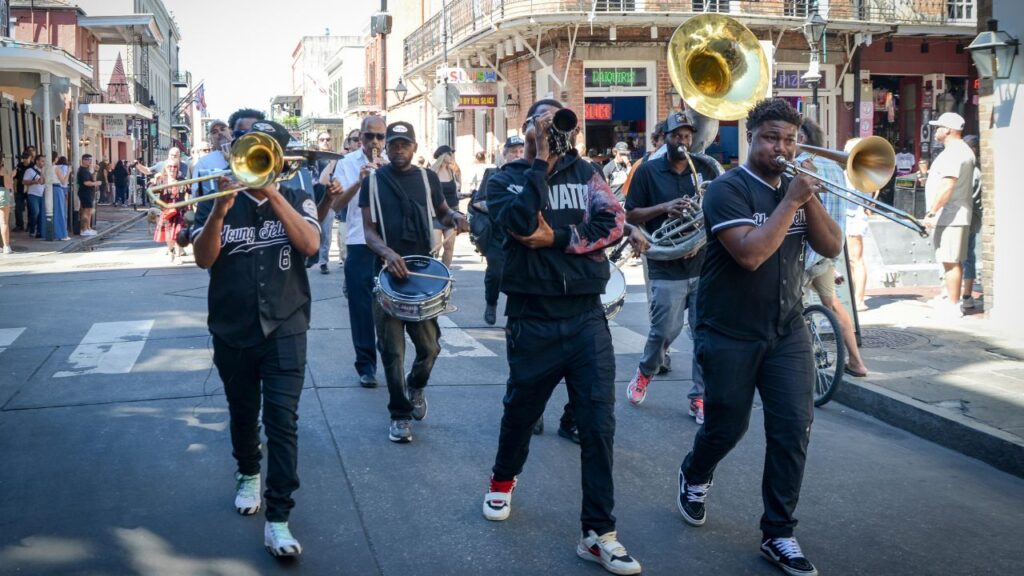
When a brass band comes down the street, a whole neighborhood can spill outside to follow it.
Louisianans who grew up near a second line know the rhythm long before anyone explains what's going on.
8 Second Line Traditions Every Louisianan Grew Up Watching
8 Louisiana Sayings That Leave Out-of-Towners Completely Lost
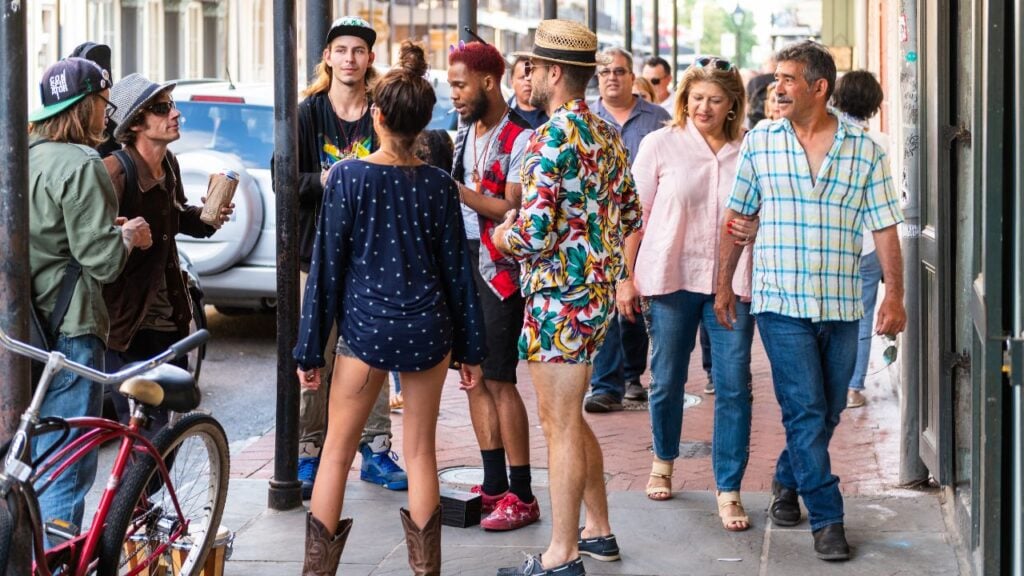
Louisiana is the only state without a single county.
Spend a weekend there, and the words you hear can sound like another language.
8 Louisiana Sayings That Leave Out-of-Towners Completely Lost
